
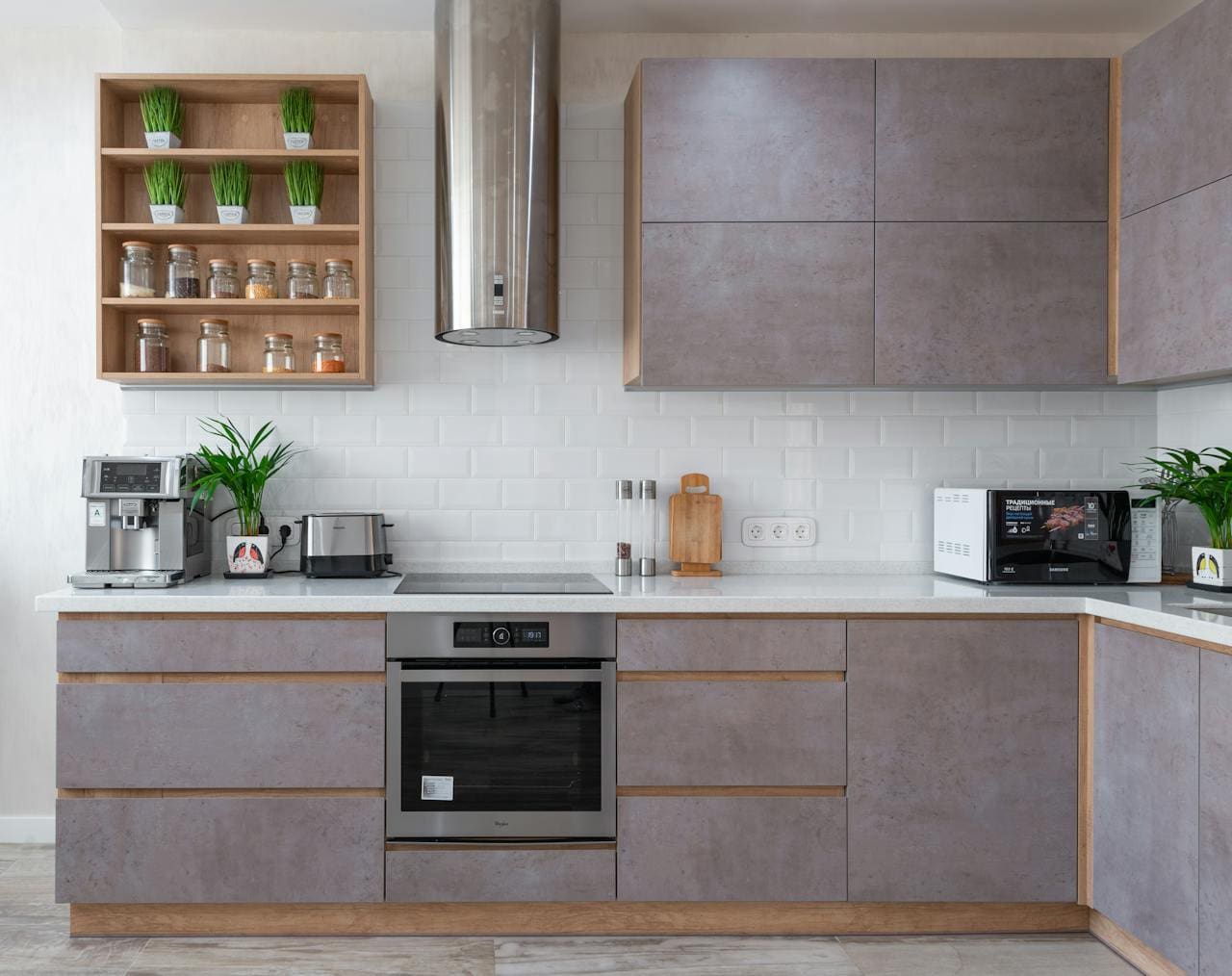
The direct answer to how often a landlord must replace appliances like the oven or washing machine is that there is no fixed legal deadline or statutory timetable. A landlord’s obligation to replace is triggered by two main factors: safety and the terms of the tenancy contract.
1. Safety and Contractual Repair
A landlord’s responsibility for appliances is primarily contractual, though safety is always paramount.
- Safety compliance: Any appliance provided must be safe and functional. This includes adhering to:
- Gas Safety: All gas appliances require an annual Gas Safety Check.
- Electrical Safety: Electrical items must be in good working order and pose no risk, in line with relevant electrical safety standards.
- Contractual Obligation: Unlike core installations (like boilers and fixed electrics), which are legally mandated for repair, white goods are covered only if they are listed in the tenancy agreement. If included, the landlord is contractually required to repair or replace them when they fail due to normal use (fair wear and tear), and this must be done within a “reasonable timeframe.”
2. The Switch from Repair to Replacement
Replacement is required when repairing the faulty appliance is no longer practical or financially sensible. Replacement triggers include:
- Beyond economic repair: The cost to fix the appliance is prohibitively high and typically approaches or exceeds the cost of buying a new, basic replacement.
- Safety decommissioning: If the appliance cannot be repaired to a safe operating standard, it must be taken out of use and replaced immediately.
- Efficiency: Replacing an old, inefficient appliance with a modern, energy-efficient model is considered best practice. While not a legal requirement, it saves the tenant money on utility bills and enhances the property’s appeal.
3. Lifecycle Planning vs. Legal Deadlines
Landlords can use industry-standard estimates for appliance lifespans to plan budgets, but these are for guidance, not legal compliance.
| Appliance | Estimated Lifespan (Years) |
| Fridge / Freezer | 10–19 |
| Oven / Cooker | 10–15 |
| Washing Machine | 10–14 |
| Dishwasher | 9–13 |
| Tumble Dryer | 8–13 |
Lifespans are affected by quality and maintenance. A well-cared-for appliance can significantly exceed these averages, while poor treatment shortens them.
4. Differentiating Damage Responsibility
It is essential to distinguish between natural failure and tenant damage to determine who pays for the replacement:
- Landlord Pays: Replacement is covered by the landlord if the failure is due to fair wear and tear.
- Tenant Pays: The tenant is liable for repair or replacement if the breakdown is due to misuse, negligence, or accidental damage. The landlord must be able to prove the damage exceeds normal wear and tear, usually with documentation from the inventory report.
5. Best Practices for Landlords
Effective property management requires being proactive with appliances:
- Contract Clarity: Clearly specify appliance responsibility in the tenancy agreement.
- Detailed Documentation: Maintain an inventory, noting the age, model, and condition of all white goods. Keep detailed service and repair records.
- Financial Planning: Use estimated lifespans to budget for replacements long-term, mitigating unexpected capital costs.
- Prompt Action: When a fault is reported, respond quickly. The reasonable timeframe for essential cooking or cooling appliances is short, often just a few days.
Ultimately, providing a functional, safe, and efficient home environment is the standard for good property management.
Good property management prioritises providing a functional, safe, and reasonably efficient home environment, even without strict legal deadlines for replacement. It also involves ensuring that your property is insured with affordable landlord contents insurance. Contact CIA Landlords today for more information!