
Over 90 percent of companies currently utilize some form of cloud service to manage their day-to-day operations.
But with the growing use of technology, many people have a big question: which setup is best for them? This is where hybrid cloud computing and multi-cloud models come in. They are both similar, but they operate in vastly different ways.
Today, companies require flexible and secure systems to manage their data and applications. The correct decision can enhance performance, reduce expenses, and streamline operations. The actual distinction between these two arrangements helps teams choose the one that best suits them.
We will consider the differences between hybrid and multi-cloud, why it is important, and which one is more suitable for your needs.
Hybrid Cloud: A Skilful Blend of Private and Public Power
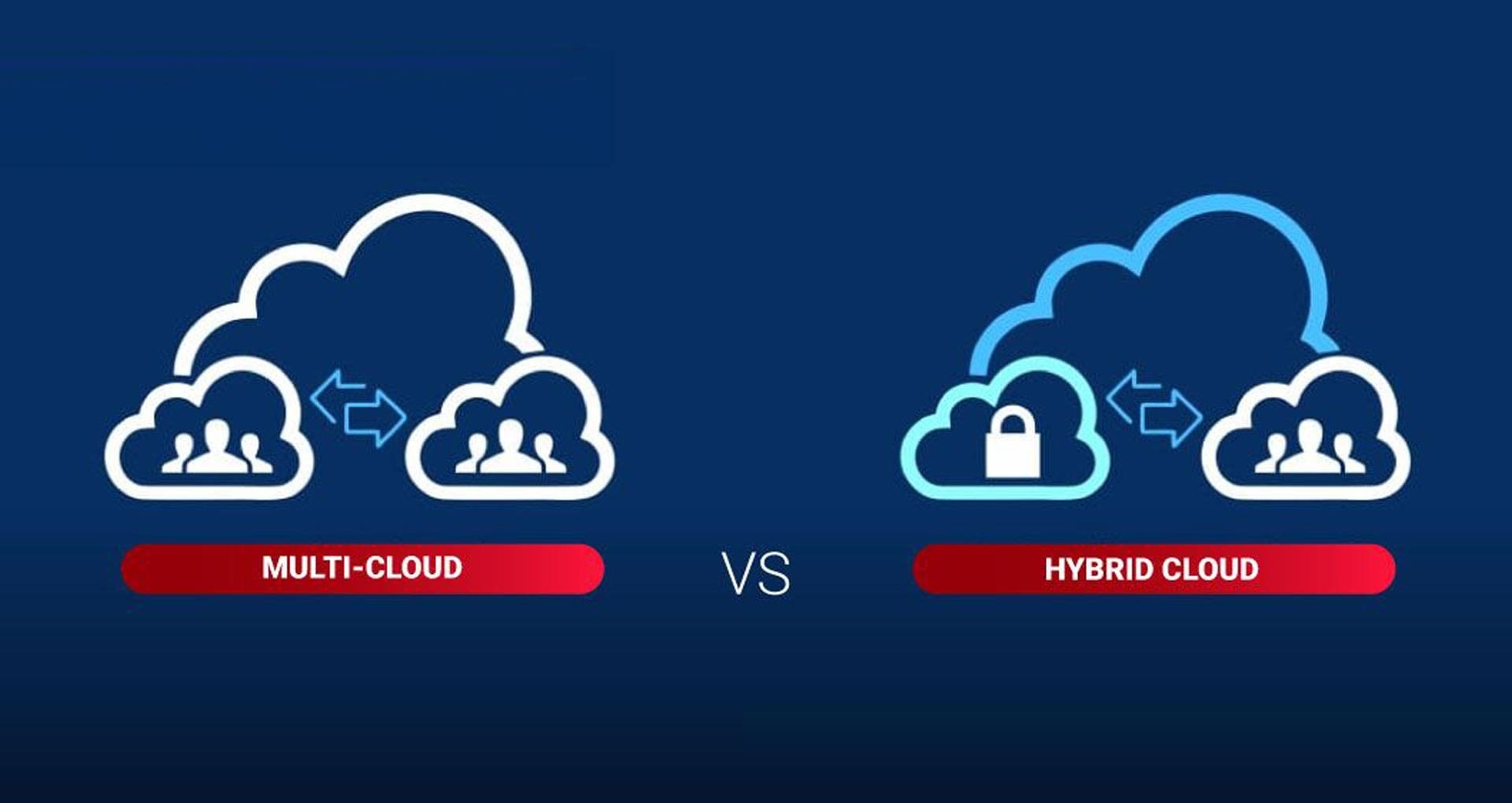
Hybrid cloud computing is a combination of both the private and public clouds. It enables firms to transfer data and workloads seamlessly between the two clouds. This implies that sensitive data can be stored in a private location, while less critical functions can be executed on public servers. Businesses enjoy the best of both worlds, high security and scalable resources.
Hybrid cloud computing is ideal for growing companies that want to avoid slowing down by managing it themselves. For example, a healthcare company can store patient records in a private cloud to ensure their security, but use a public cloud for scheduling appointments or applications.
Hybrid Cloud Computing Increases Flexibility
In case a project requires an increase in power, they can move part of the work to the public cloud. Once demand is low, they can shift it to the private side.
Key benefits include:
- Greater data security and privacy.
- Scaling is easier during peak times.
- Reduced expenses relative to complete privatization.
- Quick updates and application releases.
This model helps companies to be prepared to meet any challenge without wasting resources.
Multi-Cloud: More Providers, More Choices
Multi-cloud refers to the simultaneous use of two or more public cloud providers. Companies utilize the services of various vendors instead of integrating the public and private systems. This arrangement prevents the use of a single provider.
For example, a company may have one cloud storage solution and another analytics cloud. All providers have different tools, and teams choose the best one. This also minimizes downtime since when one service fails, another service continues to run.
Why Multi-Cloud is the Solution for the Modern Business
Multi-cloud provides additional flexibility in the location and manner of data storage by businesses. It helps prevent restrictions imposed by a single vendor and offers easy access to international tools.
Some major benefits are:
- Good backup and reliability.
- Increased freedom of choice of cloud tools.
- Lower risk of vendor lock-in
- Increased speed in accessing digital products worldwide.
This arrangement is useful in companies with varying workloads in different regions or teams.
Hybrid vs. Multi-Cloud: The Real Difference
Although both models are based on cloud technology, they differ significantly in terms of structure and objectives. Hybrid cloud computing links the private and the public environments. Multi-cloud involves the use of more than one public provider.
Consider a hybrid as a single bridge between the private and the public systems. Multi-cloud, however, is similar to several roads leading to various destinations. They both assist businesses in expanding, although they cater to other priorities.
Here are a few areas where we can look at how they differ:
| Features | Hybrid Cloud Computing | Multi-Cloud |
| Structure | Mix of private and public clouds | Mix of private and public clouds |
| Main Goal | Mix of private and public clouds | Increase flexibility and vendor freedom |
| Security | High for sensitive data | Depends on provider setup |
| Privacy | Data privacy and fast scaling | Access to varied tools and global reach |
Which One Should You Choose?
It is up to you to decide which issues you wish to address. Hybrid cloud computing is a more prudent approach if your company handles sensitive or regulated data. It is highly secure and yet less expensive than a complete private installation.
However, when you want to utilize various services of different providers and grow at a faster rate, multi-cloud provides more freedom. It is appropriate in international operations that require high uptime and a diverse range of tools.
Guidelines to the Right Cloud Choice
In the comparison of the two options, remember the following points:
- Check the nature of the data you store.
- Check the level of control required.
- Check whether your apps are reliant on a single provider.
- Plan for backup and downtime.
- Consider long-term expenses and expansion.
There are individual needs of each business. The trick is to discover what suits you best, rather than going with the trends.
How Both Clouds Can Collaborate
It’s interesting to note that many businesses currently use both models. To gain security, they start with hybrid cloud computing before expanding to multiple clouds. This combination approach offers the best possible balance between performance, adaptability, and safety.
It allows them to:
- Keep core data private
- Innovate with a few cloud tools.
- Work quickly and remain in compliance.
- Minimize provider risks.
This two-way arrangement is expanding rapidly, as it enables firms to expand without compromising their authority.
Conclusion: Choosing the Cloud That Moves You Forward
Hybrid and multi-cloud systems are transforming the way companies manage information and digital resources. Hybrid cloud computing combines private and public clouds, allowing them to be controlled and scaled.
Multi-cloud is concerned with diversity and vendor independence. Both have definite advantages, and the most appropriate option is determined by your business objectives.
Since the use of clouds continues to increase annually, understanding the distinction helps leaders to make wiser decisions. Both models can drive growth when strategized, whether you want a more restrictive security or a more liberal one.
The cloud you are using must not only be able to support your work but must also be able to help you in getting to the future of digital success.
