

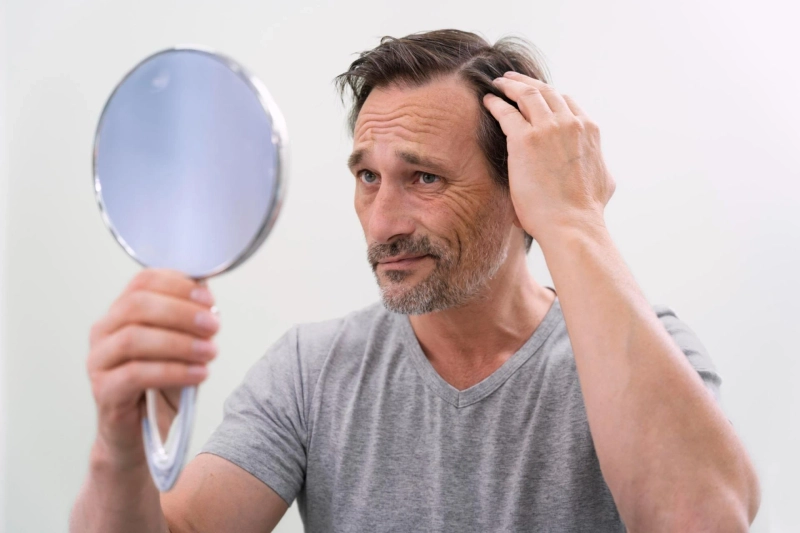
Hair loss affects millions of people. It changes how you look and can hurt your confidence. Many people try different treatments to get their hair back.
PRP therapy is a new treatment option. It uses your own blood to help grow hair. Before you try PRP, you need to know key facts about this treatment.
PRP therapy takes blood from your arm and injects it into your scalp. Most people need 3 to 6 treatments costing $500 to $2,500 each. Results show up after 3 to 6 months. PRP works best on recent hair loss, not bald spots.
What Is PRP Therapy?
PRP hair loss uses your blood to help hair grow back. The treatment works by putting healing factors directly into your scalp.
Understanding Platelet-Rich Plasma
PRP stands for Platelet-Rich Plasma. It’s a part of your blood with lots of platelets. Platelets help your body heal wounds and injuries.
Doctors take your blood and spin it in a machine. This separates platelets from other blood parts. The result has 3 to 5 times more platelets than normal blood.
How PRP Helps Hair Grow
Hair grows from small pockets called follicles under your scalp. These follicles need good blood flow to stay healthy. When they don’t get enough nutrients, hair falls out.
PRP puts growth factors right where hair follicles are. These factors can wake up sleeping follicles. They also make existing hair stronger and thicker.
Types of Hair Loss That Respond to PRP
Not all hair loss types respond to PRP treatment. Some conditions work better with this therapy than others.
Male and Female Pattern Baldness
This is the most common type of hair loss. Men lose hair on top and in front. Women see thinning all over their head.
PRP works best for this kind of hair loss. Studies show good results for people in early stages. The treatment helps less when hair loss is very bad.
Patchy Hair Loss
Some people lose hair in round patches. This condition is called alopecia areata. PRP might help but results vary between people.
When PRP Won’t Work
PRP can’t help every type of hair loss. It won’t work if hair follicles are completely gone. Scars from injuries usually destroy follicles forever.
The PRP Treatment Process
The PRP process has several steps that take about one hour. Each step is important for getting good results.
Your First Visit
A doctor looks at your scalp and hair loss pattern. They ask about your health and medicines you take. Blood tests might be needed to check for other problems.
The doctor explains what PRP can and can’t do. They show photos of other patients’ results. This helps you know what to expect.
Getting Ready for Treatment
You need to prepare for your PRP session. Stop blood thinners if your doctor says it’s safe. Drink lots of water the day before treatment.
Eat a good meal before coming in. Wash your hair that morning. Don’t drink alcohol for two days before treatment.
What Happens During Treatment
The whole process takes about one hour. First, a nurse draws blood from your arm. This feels like getting blood work done.
Your blood goes into a machine that spins fast. This separates platelets from red blood cells. The spinning takes about 10 minutes.
The doctor injects the platelets into your scalp. They use tiny needles across the thin areas. Most people say it feels like small pinches.
After Your Treatment
You can go home right after the treatment. Your scalp might feel sore for one or two days. Some people get mild headaches.
Don’t wash your hair for 24 hours after treatment. Skip hard exercise that same day. Stay out of direct sun on your scalp.
Treatment Schedule and Timeline
PRP requires multiple sessions to work properly. The timing between treatments is important for success.
How Many Sessions You Need
Most people need 3 to 6 PRP treatments to start. These happen about one month apart. The exact number depends on how much hair you’ve lost.
Your doctor makes a plan just for you. Some people need more treatments than others. Age and health affect how many sessions work best.
Keeping Results Long-Term
PRP isn’t a one-time fix. You need maintenance treatments to keep results. Most people come back every 6 to 12 months.
Think of it like dental cleanings. Regular treatments keep your hair healthy and growing.
When You’ll See Changes
Hair grows slowly, so be patient with PRP results. You won’t see changes right away. Some people notice less hair falling out first.
Real improvements show up after 3 months. The best results often come at 6 months. Some people keep seeing improvements for up to a year.
How Well PRP Works
Research shows PRP helps many people with hair loss. But results are different for each person.
Success Rates from Studies
Studies show PRP helps about 7 out of 10 people. Hair gets thicker in most patients who try it. Many people also see new hair growth in thin areas.
Results aren’t the same for everyone. Some people see big changes. Others notice smaller improvements that still make them happy.
What Affects Your Results
Several things make PRP work better or worse. Younger people often get better results than older patients. Recent hair loss responds better than old hair loss.
Your health matters too. People who eat well and exercise see better results. Smoking can make PRP less effective.
Setting Realistic Goals
PRP can make your hair thicker and fuller. But it won’t give you a full head of hair if you’re mostly bald. The treatment works best when you still have some hair left.
Most people see their hair loss slow down or stop. Many get some new growth too. The results look natural because it’s your own hair.
Cost of PRP Treatment
PRP treatments cost different amounts in different places. You need to plan for both initial treatments and ongoing maintenance.
Price Ranges
One PRP session costs between $500 and $2,500. Big cities often charge more than small towns. The total cost for your first series might be $1,500 to $10,000.
This depends on how many treatments you need. Maintenance visits add to the long-term cost.
What Affects the Price
Several factors change how much you pay for PRP. Well-known doctors in fancy clinics charge more. The type of equipment used also affects cost.
Where you live makes a big difference too. Treatments in big cities cost more than small towns.
Insurance and Payment Options
Most insurance plans won’t pay for PRP hair treatments. They consider it cosmetic, not medical. You’ll probably need to pay yourself.
Some clinics offer payment plans to spread out the cost. Health savings accounts might cover PRP in some cases.
Side Effects and Risks
PRP is generally safe because it uses your own blood. But some side effects can still happen.
Common Problems
The most common issues are mild and go away quickly. Your scalp might hurt where the needles went in. Some swelling and redness is normal too.
These problems usually last just one or two days. A few people get headaches after PRP treatment.
Serious but Rare Issues
Major problems with PRP are very uncommon. Infections can happen if equipment isn’t clean. Always choose a doctor who follows proper safety rules.
Some people might be allergic to chemicals used in processing. Nerve damage is possible but extremely rare.
Staying Safe
Pick a qualified doctor to lower your risk of problems. Board-certified dermatologists have special training for these treatments. Ask about their experience with PRP.
Make sure the clinic follows strict cleanliness rules. All equipment should be sterile and used only once.
Choosing Your Doctor
Not all doctors are equally good at PRP treatments. The right doctor makes a big difference in your results.
Important Qualifications
Look for someone with special training in hair loss. Board certification in dermatology or plastic surgery is important. Ask how many PRP treatments they’ve done.
Experience matters a lot with this procedure. A doctor who’s done hundreds will likely get better results.
Questions to Ask
Before choosing a doctor, ask important questions. Find out their success rate with other patients. Ask to see before and after photos.
Learn about their exact treatment process. Different doctors use different methods.
Warning Signs
Some red flags should make you look elsewhere. Doctors who promise perfect results are not being honest. No treatment works 100% of the time.
Prices that seem too good to be true often are. Very cheap PRP might use bad equipment or shortcuts.
Combining PRP with Other Treatments
PRP often works better when combined with other hair loss treatments. Many doctors recommend using multiple approaches together.
Hair Transplant Enhancement
PRP can make hair transplants work better. It helps new hair follicles survive and grow. Many surgeons now use PRP during transplant procedures.
The treatment can also help non-transplanted areas. This gives you more complete results.
Working with Medications
PRP often works well with hair loss medicines. Minoxidil and finasteride attack hair loss differently than PRP does. Using them together might give better results.
Always tell your PRP doctor about any medicines you take. Some drugs can interfere with the treatment.
Laser Therapy
Low-level laser therapy uses special lights to stimulate hair growth. Some people combine this with PRP treatments. The two methods might work better together.
Ask your doctor if laser therapy makes sense for you. Not everyone needs multiple treatments.
Long-Term Expectations
PRP requires ongoing commitment to maintain results. You need to understand what’s involved for the long term.
Ongoing Commitment
PRP isn’t a one-time treatment. You need regular sessions to keep your results. This means ongoing time and money commitments.
Think carefully about whether you can stick with the program. Stopping treatments usually means losing the benefits you gained.
Tracking Your Progress
Your doctor should take photos to track your improvement. These pictures help you see changes that happen slowly. Hair counts in specific areas can also measure progress.
Keep realistic expectations as you go through treatment. Some months show more progress than others.
Backup Plans
PRP doesn’t work for everyone. Have a plan in case you don’t get the results you want. Hair transplants might still be an option later.
Other treatments like scalp tattooing can create the appearance of fuller hair. High-quality wigs and hairpieces are also available.
Making Your Final Decision
Consider your specific situation carefully before starting PRP treatment. Take time to weigh all your options.
Evaluating Your Situation
Think about your specific type of hair loss. PRP works best for certain conditions. If you have very advanced hair loss, other treatments might work better.
Consider your budget for both initial treatment and maintenance. Can you afford the ongoing costs?
Comparing All Your Options
PRP is just one way to treat hair loss. Medicines like minoxidil are cheaper but need daily use. Hair transplants cost more upfront but give permanent results.
Some people choose to accept their hair loss instead of treating it. This is a valid choice that saves money and avoids medical procedures.
Timeline for Decision Making
Don’t rush into PRP treatment. Take time to research doctors in your area. Get consultations from several providers before deciding.
Hair loss usually happens slowly. You have time to make a good choice.
Conclusion
PRP therapy offers hope for people dealing with hair loss. This treatment uses your body’s own healing power. Many patients see real improvements in their hair thickness and growth.
But PRP isn’t magic. It works best for certain types of hair loss. Results vary between different people. The treatment requires time, money, and realistic expectations.
Success with PRP depends on choosing the right doctor. It also requires following through with the complete treatment plan. Maintenance sessions are needed to keep your results.
Before trying PRP, learn all you can about the treatment. Talk to qualified doctors about your specific situation. Consider how PRP fits with your budget and lifestyle.
Take time to make a smart decision about PRP therapy. Your hair loss situation is unique. With good information and realistic goals, you can choose the path that’s right for you.