
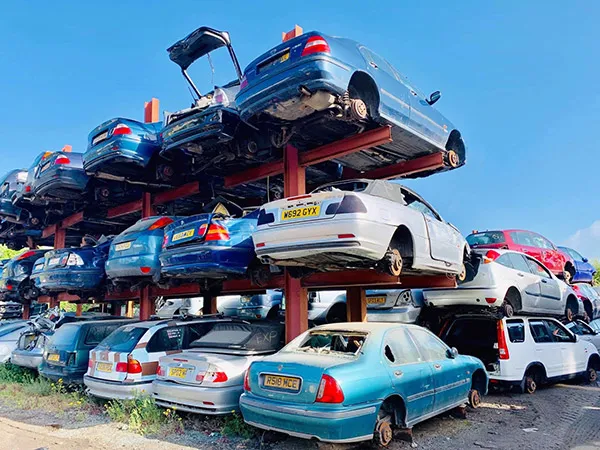
Vehicles do not last forever. Over time, mechanical failure, accidents, corrosion, and age reduce their usability. When a car reaches the end of its working life, many owners turn to wreckers instead of repair workshops. Car wreckers play an important role in the automotive industry by dismantling old vehicles and recovering usable parts and materials.
Many vehicle owners in Victoria ask the same question before disposal. What types of vehicles do car wreckers in Melbourne accept? The answer covers a wide range of vehicle categories. This article explains the different types of vehicles accepted, why they are accepted, and how the wrecking process supports recycling and the spare parts market in Australia.
Damaged Accident Vehicles
One of the most common vehicle types accepted by wreckers is accident damaged cars. Collisions can cause serious structural and mechanical damage. In some cases, repair costs are higher than the market value of the vehicle.
Even when a car is declared a repairable write off, many components remain in working condition. Parts such as engines, doors, alternators, radiators, and suspension components can still function.
Wreckers dismantle these vehicles and recover usable parts. This process keeps functioning components in circulation and reduces waste. The remaining metal body is sent for recycling.
Accident damaged cars are a significant source of second hand spare parts in the automotive industry.
Old and High Kilometre Vehicles
Age is another common reason vehicles are accepted by wreckers. Cars that have travelled high kilometres often face multiple mechanical issues.
Over time, engines wear down, transmissions weaken, and suspension systems require replacement. Repairing several systems at once can be expensive. Many owners decide not to invest further money into ageing vehicles.
Even older cars contain usable parts. Interior components, mirrors, lights, and body panels may still be suitable for resale.
Older vehicles also contain steel and aluminium that can be recycled. Steel makes up a large portion of a standard passenger vehicle. Recycling steel uses much less energy compared to producing it from raw iron ore. This reduces environmental impact.
Unregistered Vehicles
Unregistered vehicles are commonly accepted by wreckers in Melbourne. A car may become unregistered due to failed roadworthy inspection, lack of use, or financial reasons.
Keeping an unregistered car on private property can create storage issues. Registration renewal and inspection costs may not be justified if the vehicle has mechanical faults.
Wreckers accept these vehicles and transfer them into the dismantling and recycling system. This ensures that the car is removed lawfully and processed according to environmental guidelines in Victoria.
Written Off Vehicles
In Australia, written off vehicles are recorded under two categories:
- Repairable write off
- Statutory write off
A repairable write off may return to the road after inspection and repair. A statutory write off cannot be registered again under any condition.
Statutory write offs are automatically directed toward dismantling and recycling. Wreckers accept these vehicles because they cannot be driven legally.
These cars often provide a large number of usable parts. Once dismantled, the metal shell is crushed and recycled.
Mechanically Failed Vehicles
Mechanical failure is one of the main reasons owners contact wreckers. Common failures include:
- Blown engines
- Gearbox breakdown
- Cooling system damage
- Electrical system faults
Modern vehicles contain complex electronic systems. Repairing major faults can be costly. When the repair estimate exceeds the vehicle’s resale price, disposal becomes a practical option.
Even if the engine or gearbox is damaged, other components may remain functional. Wreckers remove and test these parts before resale.
This process supports repair workshops that require second hand components for older vehicle models.
Flood and Fire Damaged Vehicles
Flood and fire damaged vehicles are also accepted. Flood water can damage engine components, electronic control units, and wiring systems. Fire can weaken metal parts and destroy interior fittings.
Insurance companies often classify severely damaged flood or fire vehicles as statutory write offs. These vehicles cannot return to the road.
Although the car itself cannot be repaired safely, some parts may still be salvageable. Metal recovery also remains possible.
Wreckers handle these vehicles carefully to ensure proper removal of fluids and hazardous materials before recycling.
Commercial Vehicles and Vans
Car wreckers in Melbourne often accept commercial vehicles such as:
- Delivery vans
- Light trucks
- Utility vehicles
Businesses use these vehicles heavily. High mileage and heavy loads increase wear and tear.
When repair costs rise, companies may choose to dispose of fleet vehicles. Wreckers dismantle these vehicles and recover usable components.
Commercial vehicles contain significant amounts of recyclable metal. This supports large scale recycling operations.
Four Wheel Drives and SUVs
Four wheel drives and sport utility vehicles are also commonly accepted. These vehicles are popular in Australia due to varied terrain and outdoor travel.
Off road use can cause structural stress and mechanical wear. Over time, suspension and drivetrain components may require replacement.
When repairs become too expensive, wreckers accept these vehicles for dismantling and recycling. Their parts often remain in demand due to the large number of similar vehicles on the road.
Luxury and Imported Vehicles
Luxury and imported vehicles are not excluded from wrecking services. In fact, parts from these vehicles can be valuable in the second hand market.
Replacement parts for imported models can be expensive when purchased new. Dismantled parts provide an alternative source for workshops and vehicle owners.
Wreckers carefully remove usable components from these vehicles and store them for resale.
Role of Environmental Regulations
In Victoria, vehicle dismantling must follow environmental rules. Before crushing a vehicle, operators remove fluids such as:
- Engine oil
- Coolant
- Brake fluid
- Fuel
Batteries and air conditioning gases are also removed. Proper disposal prevents contamination of soil and water.
The recycling process turns old vehicles into reusable materials. Steel and aluminium are separated and sent to manufacturing plants.
Vehicle recycling reduces demand for new raw material extraction and supports resource conservation.
A Practical Option for Urgent Vehicle Disposal
In situations where a vehicle breaks down unexpectedly or fails inspection, owners often look for immediate removal. Services such as same day car wreckers in Melbourne offer collection for vehicles that are no longer roadworthy. When a car cannot be driven and repair costs are not practical, arranging removal connects the vehicle to the dismantling and recycling process without delay. This ensures that the vehicle does not remain unused on private property and enters the proper recovery system in Victoria.
Why Wreckers Accept a Wide Range of Vehicles
Car wreckers accept many vehicle types because nearly every vehicle contains reusable parts and recyclable materials. Even a severely damaged car still holds metal that can be processed.
The automotive recycling sector forms part of a larger industrial cycle. Recovered steel is used in construction and manufacturing. Reused parts support the spare parts market.
This system reduces landfill and lowers energy consumption linked to new production.
Read More: https://www.urgentcash4carz.com.au/melbourne/sell-my-car/
Conclusion
Car wreckers in Melbourne accept a wide range of vehicles, including accident damaged cars, high kilometre vehicles, unregistered cars, written off vehicles, mechanically failed vehicles, flood damaged cars, commercial vans, four wheel drives, and imported models.
Each vehicle type contributes either usable parts or recyclable metal. Through dismantling and material recovery, wreckers support the spare parts market and the broader recycling industry in Australia.
Understanding what types of vehicles are accepted helps owners make informed decisions when their cars reach the end of life. Even when a vehicle can no longer be driven, its materials and components continue to serve a purpose within the automotive sector