
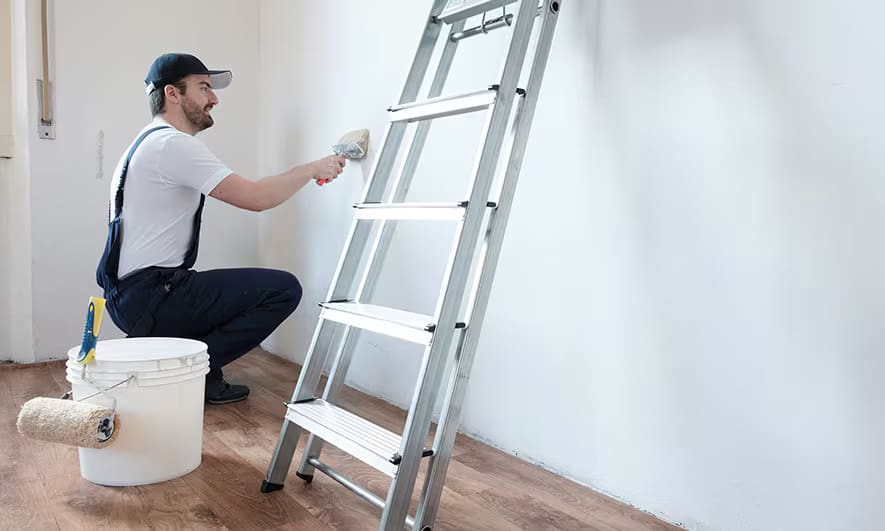
Running a small painting business involves more than delivering quality finishes and satisfying clients. Like any contractor-based operation, painters face a range of risks—from property damage and workplace injuries to legal liabilities. Understanding what type of insurance small painting businesses need is essential for protecting both financial stability and long-term growth.
This guide explores the most common types of insurance coverage painters rely on, how each policy works, and why they are critical for day-to-day operations.
Why Insurance Matters for Painting Contractors
Small painting businesses operate in environments that expose them to physical, financial, and legal risks. Whether working on residential interiors or commercial exteriors, even a minor mistake can result in costly claims.
For example:
- Paint spills can damage flooring or furniture
- Ladder accidents can lead to injuries
- Employee incidents can trigger workers’ compensation claims
- Vehicle accidents can affect business operations
Insurance acts as a financial safety net, helping cover legal costs, repairs, medical expenses, and more. It also builds credibility with clients, many of whom require proof of insurance before hiring contractors.
1. General Liability Insurance for Painters
General liability insurance is the most fundamental coverage for any small painting business. It protects against third-party claims involving bodily injury, property damage, and personal injury.
What It Covers:
- Damage to a client’s property (e.g., paint spills on carpets)
- Injuries to third parties (e.g., a homeowner slips on a wet surface)
- Legal defense costs and settlements
This type of coverage is often required for contracts, especially in commercial painting projects.
👉 Learn more about contractor liability expectations from OSHA:
https://www.osha.gov/laws-regs
2. Workers’ Compensation Insurance
If your painting business has employees, workers’ compensation insurance is typically required by law. It provides coverage for job-related injuries and illnesses.
What It Covers:
- Medical expenses
- Lost wages during recovery
- Rehabilitation costs
- Disability benefits
Painting jobs often involve ladders, scaffolding, and exposure to chemicals, making workplace injuries a real concern. Without this coverage, business owners could face significant out-of-pocket costs and legal penalties.
👉 For state-specific requirements, refer to:
https://www.dol.gov/general/topic/workcomp
3. Commercial Auto Insurance
Many small painting businesses rely on vehicles to transport tools, equipment, and workers. Commercial auto insurance is essential if vehicles are used for business purposes.
What It Covers:
- Vehicle damage from accidents
- Liability for injuries or property damage caused in accidents
- Theft or vandalism
Personal auto insurance policies usually do not cover business-related incidents, making this policy necessary for painters who travel between job sites.
4. Tools and Equipment Coverage (Inland Marine Insurance)
Painters rely heavily on specialized tools such as sprayers, ladders, compressors, and safety gear. Inland marine insurance, also known as tools and equipment coverage, protects these assets.
What It Covers:
- Theft of tools from job sites or vehicles
- Damage during transport
- Loss due to fire or vandalism
Since tools are frequently moved between locations, standard property insurance may not provide adequate coverage.
5. Commercial Property Insurance
If your painting business operates from a physical location, such as an office or storage facility, commercial property insurance is important.
What It Covers:
- Buildings (if owned)
- Equipment and inventory
- Office furniture and supplies
It protects against risks like fire, storms, and theft. Even home-based painting businesses may benefit from this coverage if storing expensive equipment.
6. Professional Liability Insurance (Errors & Omissions)
While not always required, professional liability insurance—also called errors and omissions (E&O) insurance—can be valuable for painters offering consultations or specialized services.
What It Covers:
- Claims of negligence
- Mistakes in color selection or application
- Failure to meet client expectations
For example, if a client claims that improper surface preparation led to peeling paint, this policy can help cover legal costs.
7. Business Owner’s Policy (BOP)
A Business Owner’s Policy (BOP) bundles multiple types of coverage into one package, typically including:
- General liability insurance
- Commercial property insurance
- Business interruption coverage
This option is often cost-effective for small painting businesses, offering comprehensive protection at a lower premium compared to purchasing policies separately.
8. Business Interruption Insurance
Unexpected events like fires or natural disasters can halt operations. Business interruption insurance helps replace lost income during downtime.
What It Covers:
- Lost revenue
- Ongoing expenses (rent, utilities)
- Temporary relocation costs
For small painting businesses that rely on consistent project flow, this coverage can be crucial for maintaining financial stability.
Key Factors That Influence Insurance Needs
Not every painting business requires the same level of coverage. Several factors determine the types and limits of insurance needed:
1. Business Size
Larger teams increase exposure to workplace injuries and liability risks.
2. Type of Projects
Residential painting carries different risks compared to commercial or industrial work.
3. Location
Insurance requirements vary by state, especially for workers’ compensation.
4. Equipment Value
Higher-value tools and machinery require more comprehensive protection.
5. Contract Requirements
Some clients or contracts may mandate specific insurance coverage levels.
How to Choose the Right Coverage
Selecting the right insurance involves evaluating risks and aligning coverage with business operations.
Steps to Follow:
- Assess your risks – Identify potential hazards in your daily work
- Understand legal requirements – Ensure compliance with local regulations
- Compare policies – Look at coverage limits, exclusions, and premiums
- Bundle when possible – Consider a Business Owner’s Policy for savings
- Review annually – Update coverage as your business grows
Final Thoughts
Small painting businesses face a wide range of operational risks, making insurance a critical part of long-term success. At a minimum, general liability and workers’ compensation insurance form the foundation of protection. However, additional policies like commercial auto, tools coverage, and business interruption insurance can significantly strengthen your risk management strategy.
By understanding the different types of insurance available and tailoring coverage to your specific needs, painting contractors can protect their assets, maintain compliance, and operate with confidence in a competitive industry.