

Lebanese restaurants offer colorful small plates, grilled meats, and friendly service. You’ll share many dishes instead of ordering separate meals. The food features bold spices and fresh ingredients. Dining moves slowly so you can enjoy conversation. Lebanese meals turn dinner into a social celebration.
Your First Lebanese Restaurant Experience
You walk through the doors of a Lebanese restaurant. The smell of garlic and lemon fills the air. People laugh and talk at their tables.
Lebanese food comes from the Mediterranean and Middle East. It uses fresh, healthy ingredients. Every dish brings bold flavors.
This guide helps you know what to expect on your first visit. You’ll learn about the food, customs, and experience. Soon you’ll feel confident ordering at any Lebanese restaurant.
The Mezze Culture: Small Plates, Big Flavors
Mezze defines Lebanese dining. These small plates are shared with everyone at your table. Most Lebanese restaurants build their entire menu around mezze offerings.
What exactly is Mezze?
Mezze is the heart of Lebanese dining. These are small dishes meant for sharing. Think of mezze like Spanish tapas with Middle Eastern flavors.
You fill the table with many small plates. Everyone tries everything. This makes meals more fun and social at any Lebanese restaurant.
Cold Mezze You’ll Encounter
Most Lebanese meals start with cold mezze dishes. Hummus is the most famous one. This chickpea dip tastes better at restaurants than store-bought versions.
Baba ghanoush uses roasted eggplant. It has a smoky, earthy flavor. Tabbouleh is a fresh parsley salad with tomatoes and lemon.
Fattoush is another salad with crispy pita chips. Labneh is thick, tangy yogurt that works as a dip.
Hot Mezze and Appetizers That Sizzle
Hot appetizers come after the cold mezze. These dishes arrive warm and crispy from the kitchen. They add variety to your meal.
Fried and Grilled Delights
Falafel are crispy balls made from chickpeas and herbs. Good falafel are golden outside and soft inside. They’re packed with flavor.
Kibbeh are small football-shaped pieces with bulgur wheat and meat. They have pine nuts and spices inside. Some restaurants serve kibbeh raw like steak tartare.
Sambousek are small pastry triangles filled with cheese, spinach, or meat. They’re crispy, warm, and satisfying.
Cheese and Vegetable Dishes
Halloumi is a squeaky cheese from the Middle East. Restaurants grill it until golden brown. The salty, chewy bite is addictive.
Warak enab are stuffed grape leaves. They contain rice, herbs, and sometimes meat wrapped in tender leaves.
Main Courses: Where Protein Takes Center Stage
Main courses feature grilled meats and hearty proteins. These dishes come after you’ve tried several mezze plates. Every Lebanese restaurant has its own special recipes for these classics.
Grilled Meats and Kebabs
Shish taouk are chicken skewers marinated in garlic, lemon, and yogurt. They come out juicy and full of flavor. Lamb kofta is seasoned ground meat formed onto skewers and grilled.
Many Lebanese restaurants offer mixed grill platters with different meats. You might get chicken, lamb, and kofta on one plate. These mains come with rice and grilled vegetables.
Vegetarian Main Options
Lebanese food has many vegetarian options. Moussaka features eggplant with chickpeas in tomato sauce. Various vegetable stews are filling without meat.
The Bread: Your Edible Utensil
Bread plays a major role in Lebanese meals. You’ll use it to scoop dips and wrap meats. Fresh pita arrives hot at your table in any Lebanese restaurant.
Pita’s Crucial Role
Fresh, warm pita arrives at your table right away. You’ll use it to scoop up hummus and other dips. You can wrap kebabs in it too.
Lebanese restaurant pita is different from grocery store bread. It’s thinner, fresher, and has a slight char. Ask for more pita during your meal.
Beverages That Complement Your Meal
Lebanese restaurants offer traditional and modern drinks. You’ll find options you’ve never tried before. The drinks pair well with the bold flavors of Lebanese restaurant food.
Traditional Drink Options
Ayran or laban is a salted yogurt drink. It might seem strange if you’ve never tried it. But it works well with rich, spiced foods.
Jallab is a sweet drink made from dates and rose water. It has exotic, perfumed flavors. Arabic coffee comes in tiny cups with cardamom spice.
Wine and Beer
Many Lebanese restaurants have wine lists. Lebanon makes quality wine. These wines pair well with Lebanese food’s bold flavors.
For beer, try Almaza. It’s Lebanon’s most popular beer. Top Lebanese restaurants like Nour Restaurant Sydney in Surry Hills have excellent drink selections.
Dining Customs and Etiquette
Lebanese dining has its own rhythm and style. Understanding these customs helps you enjoy your meal more. The Lebanese restaurant culture values sharing and taking time.
The Pace of Lebanese Dining
Lebanese meals take time. Dishes come out slowly, not all at once. This gives you time to talk and try each course.
Don’t rush through your meal. Embrace the relaxed pace.
Sharing is Non-Negotiable
Lebanese dining is about sharing. Even if you order your own dish, others will try it. Be ready to taste what your friends order too.
Order more mezze than you think you need. Lebanese restaurants serve big portions.
Understanding the Menu Layout
Lebanese menus follow a clear structure. Knowing how they’re organized helps you order. The layout makes it easy to find what you want at any Lebanese restaurant.
How Lebanese Menus Work
Most Lebanese restaurant menus divide dishes into clear sections. You’ll see cold mezze, hot mezze, grills, and main courses. Some restaurants offer mezze platters with several items together.
Ask your server for help. Servers help guide first-time visitors through the options.
Sweet Endings: Lebanese Desserts
Lebanese desserts are sweet and nutty. They use honey and flower flavors like rose water. Many are rich and satisfying.
Baklava and Beyond
Baklava is the most famous dessert with layers of pastry. Each restaurant makes it differently with nuts and honey. Knafeh uses shredded pastry dough with sweet cheese and syrup.
The texture is crispy, gooey, and sweet. Maamoul are cookies filled with dates. They’re sweet but not too heavy.
Many Lebanese meals end with fresh fruit. In summer, seasonal fruit is the perfect light ending.
Atmosphere and Ambiance
Lebanese restaurants create a warm environment. The design and music set a welcoming mood. You’ll feel comfortable from the moment you enter a Lebanese restaurant.
What the Setting Feels Like
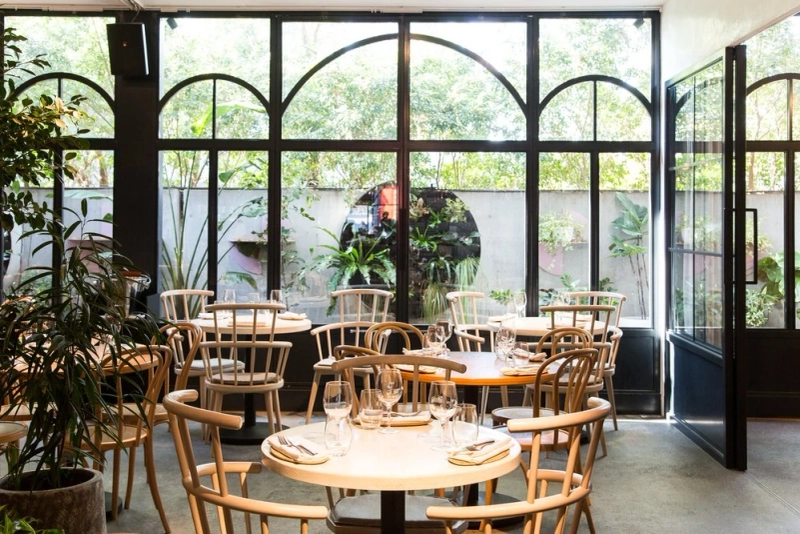
Lebanese restaurants feel warm and inviting. You’ll see Middle Eastern design touches like decorative lanterns and comfortable seating. The music ranges from traditional Arabic melodies to modern Lebanese pop.
The space encourages you to stay and relax. Tables aren’t rushed. The staff wants you to enjoy the full experience.
Price Points and Value
Lebanese dining offers good value for money. Prices vary by restaurant location and quality. Sharing mezze makes Lebanese restaurant dining more affordable.
What to Budget
Lebanese restaurant prices vary. But you generally get good value. Mezze dishes range from cheap to medium priced.
A full Lebanese feast for two costs about the same. You’ll get multiple mezze, a shared main, drinks, and dessert.
Making the Most of Your Visit
A few simple tips will improve your experience. These suggestions help first-time visitors feel confident. Follow this advice for a better Lebanese restaurant experience.
Tips for First-Timers
Here are helpful tips for your first visit:
- Start with a mezze sampler if available. This takes away the guesswork.
- Don’t fill up on bread early. Save room for all the courses.
- Ask about daily specials. Many Lebanese restaurants have dishes not on the regular menu.
- Be adventurous with your ordering. Lebanese flavors work well together.
- Try foods you can’t pronounce. That’s part of exploring new cuisine.
Special Dietary Considerations
Lebanese cuisine works for many dietary needs. There are many vegetarian and vegan mezze options. Gluten-free diners can enjoy most mezze by skipping the bread.
Tell your server about allergies or restrictions. Lebanese restaurants accommodate special requests well.
Experiencing Authentic Lebanese Hospitality
Lebanese culture values generosity. This shows how restaurants treat guests. You’ll notice the warm service immediately.
Lebanese dining focuses on being generous with everything. Your server might bring extra bread without you asking. They might add a free dessert to your meal.
This attention comes from cultural values. Lebanese people treat guests like family.
Where to Experience Lebanese Excellence in Sydney
Sydney has excellent Lebanese restaurants. One stands out for quality and authenticity. Nour Restaurant Sydney in Surry Hills is a top Lebanese restaurant and bar.
This top-rated restaurant serves authentic Lebanese and Middle Eastern food. They combine traditional flavors with modern presentation. Nour offers both classic dishes and creative new takes.
The menu guides you through Lebanon’s regional specialties. The staff knows the food well. They help first-time visitors feel confident trying new flavors at this Lebanese restaurant.
Conclusion: Embrace the Adventure
Your first visit to a Lebanese restaurant will be memorable. You’ll discover generous portions and bold flavors. The food is healthy and delicious.
Lebanese dining is about connection and celebration. Come hungry and curious. Be ready to share with your group.
Order more than you think you’ll need. Try dishes with unfamiliar names. Lebanese cuisine offers something for everyone.
Each visit reveals new favorites. Lebanese restaurants make strangers feel like family. Take that first step through the doors.
Your Lebanese food journey starts now.