
If you’ve been referred to a periodontist, you’re probably dealing with gum issues that need a closer look. It’s normal to feel unsure or even a little nervous before your first visit, especially if you don’t know what to expect. But seeing a periodontist is a positive step. It means you’re taking your gum health seriously — and getting the right support before things get worse.
Whether you’ve noticed bleeding gums, gum recession, or have been told you need specialist care, a first visit is all about understanding what’s going on and putting together a plan to improve it.
A Detailed Look at Your Gum and Bone Health
The appointment usually starts with a conversation. The periodontist will ask about your dental history, if you’ve had gum problems before, and any symptoms you’ve noticed lately — even if they seem minor. This could include bad breath, loose teeth, or pain when brushing.
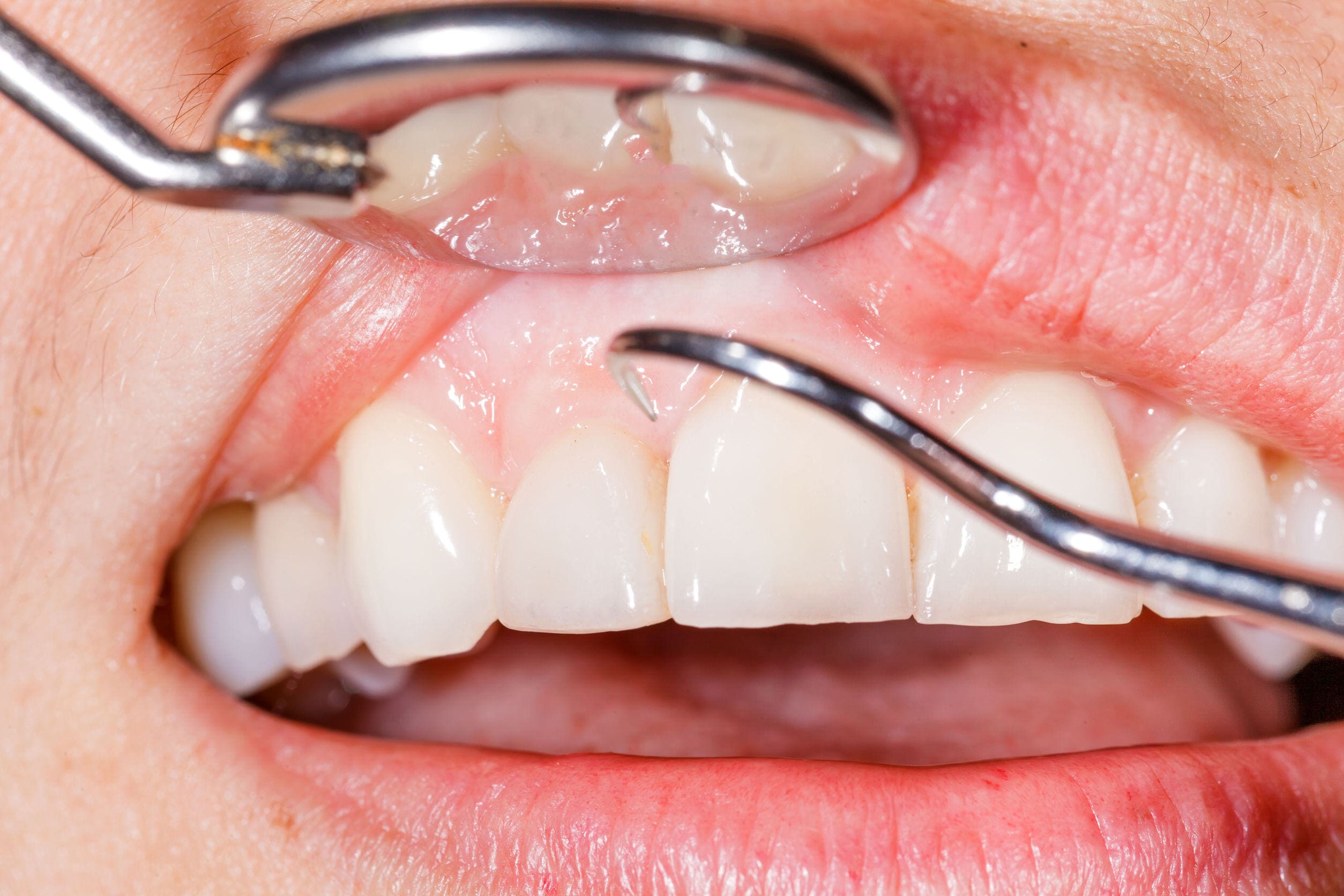
After that, the physical exam begins. The periodontist will carefully check your gums, looking for signs of swelling, bleeding, or pockets between your teeth and gums. These pockets are spaces where plaque can build up and cause infection if left untreated.
They may also take X-rays to see what’s happening under the surface. This shows if any bone has been lost around your teeth, which can happen with advanced gum disease. The aim here isn’t to rush into treatment but to get a full picture of your oral health so they can give you the right advice.
Discussing Your Treatment Options
Once the assessment is done, your periodontist will explain what they’ve found in plain language. If there’s early gum disease, they might recommend a professional clean and changes to your brushing or flossing habits.
If the condition is more advanced, you may need a deeper clean under the gums, called scaling and root planing. This removes the plaque and bacteria that regular brushing can’t reach. In some cases, gum or bone grafts might be suggested to repair damage.
Your periodontist will go through all your options, what each one involves, and what kind of results you can expect. You’ll also get an idea of how long the treatment may take and what it’s likely to cost. If you’re looking for periodontal treatment in Kiama, it’s best to start with a proper diagnosis like this before committing to anything.
It’s Not Just About the Gums
A big part of the visit is education. The periodontist will likely talk to you about daily care routines, what products you should be using, and how to prevent the issue from coming back. Smoking, poor brushing, and skipping dental visits can all make gum problems worse — so it’s not just about fixing the current problem, but making sure it doesn’t return.
They’ll also let you know if any of your existing dental work, like fillings or crowns, might be affecting your gums. If you grind your teeth, that might come up too, as it can put extra pressure on the gums and bone.
Building a Long-Term Plan
Gum problems don’t go away overnight, and your first visit is just the beginning. After treatment starts, you’ll likely return for follow-ups so the periodontist can see how things are healing. These visits are a chance to make sure the treatment is working and adjust the plan if needed.
If you’re seeing a periodontist in Kiama, you can expect a practical, straightforward approach that focuses on results, not just short-term fixes. Your gum health is just as important as your teeth, and looking after it properly means fewer problems down the track.
