
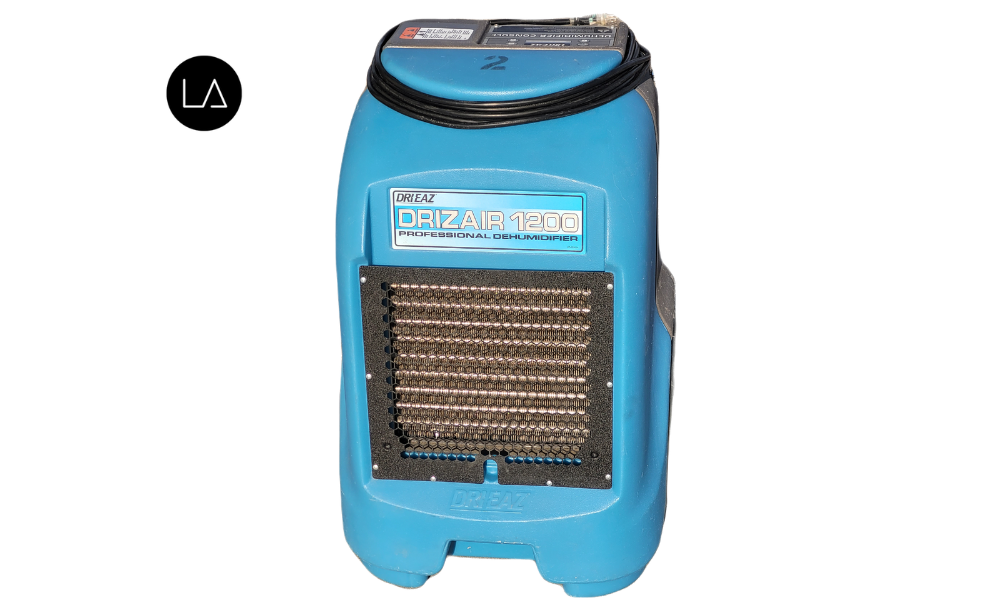
Water damage drying often feels slower than expected, even when you are using the right machines. Fans are running, dehumidifiers are pulling moisture, and yet materials still feel damp. This delay can lead to frustration, higher costs, and risk of mold growth or material damage. Many people assume that having proper equipment guarantees fast results, but drying is affected by several hidden factors that are easy to overlook.
Los Angeles Restoration Rentals provides professional-grade air movers, dehumidifiers, and drying equipment designed to handle these challenges. However, even with reliable tools, performance depends on how the environment, materials, and setup interact. Understanding what slows down the process helps you avoid wasted time and achieve better results.
Incomplete Airflow Coverage Across Surfaces
Air movement is not just about turning on fans. It is about directing airflow to all wet surfaces. When certain areas are left without consistent air circulation, moisture remains trapped and slows overall drying.
Dead zones often form behind furniture, inside closets, or along corners. These areas hold moisture longer because air does not reach them effectively. Even a small untreated section can affect nearby materials by releasing moisture back into the air.
Proper placement creates uniform airflow. Air movers should be positioned to create a circular pattern so that no area is left untouched. Coverage is more important than the number of units.
High Humidity Levels Inside the Space
Humidity plays a major role in drying speed. When the air is already full of moisture, evaporation slows down. Wet materials rely on dry air to release moisture, so high humidity creates a bottleneck.
If dehumidifiers are undersized or not running efficiently, moisture removed from surfaces stays in the air instead of being extracted. This creates a cycle where materials remain damp even with constant airflow.
Balancing air movers and dehumidifiers is key. Air movers increase evaporation, while dehumidifiers remove that moisture from the air. Without this balance, drying becomes slow and inconsistent.
Improper Equipment Sizing for the Area
Using equipment that is too small for the affected area limits drying performance. Large spaces or severe water damage require higher-capacity machines to handle the moisture load.
For example, a standard dehumidifier may work in a small room but struggle in a large open area. The result is slow moisture removal and extended drying time. The same applies to air movers that cannot generate enough airflow for wide coverage.
Matching equipment capacity to the size and severity of the damage ensures efficient drying. This includes considering ceiling height, room layout, and how much water was absorbed.
Hidden Moisture Inside Materials
Not all moisture is visible. Water can seep into subfloors, wall cavities, insulation, and under flooring. Surface drying may appear complete while deeper layers remain wet.
Materials like wood and drywall absorb water at different rates. Wood holds moisture within its fibers, while drywall can trap water behind painted surfaces. Without addressing these hidden pockets, drying stalls.
Specialized tools such as moisture meters and thermal imaging help identify these areas. In some cases, removing baseboards or drilling small access points allows air to reach trapped moisture.
Poor Temperature Control During Drying
Temperature affects how quickly water evaporates. Warmer air can hold more moisture, which helps speed up drying. Cooler environments slow down evaporation, even if airflow is strong.
Air conditioning can sometimes reduce drying efficiency if it lowers the temperature too much without properly managing humidity. On the other hand, slightly warmer conditions can improve evaporation when combined with dehumidification.
Maintaining the right temperature range supports faster drying. It is not about making the space hot, but about creating conditions where moisture can move from materials into the air efficiently.
Frequent Air Exchange With Outside Environment
Opening doors and windows may seem helpful, but it often slows drying. Outdoor air can introduce additional humidity, especially in areas with naturally high moisture levels.
When humid air enters the space, dehumidifiers must work harder to remove the extra moisture. This reduces overall efficiency and extends drying time.
A controlled environment works best. Keeping the space closed allows equipment to manage humidity levels more effectively. This creates stable conditions for consistent drying.
Overlooked Material Density And Layering
When humid air enters the space, dense materials like hardwood, concrete, and tile retain moisture longer than lighter materials like carpet or fabric.
Layered structures also slow drying. For example, carpet over padding traps moisture between layers. Even if the surface feels dry, the padding underneath may still be wet.
Removing or separating layers can speed up the process. Lifting carpet, removing padding, or creating airflow beneath surfaces allows moisture to escape more easily.
Lack Of Monitoring And Adjustments
Drying is not a one-time setup. Conditions change as moisture levels decrease. Equipment placement and settings should be adjusted throughout the process.
Without monitoring, some areas may remain wet while others are already dry. This leads to uneven results and longer drying times.
Regular checks using moisture readings help track progress. Adjusting equipment based on these readings ensures that all areas receive proper attention.
Equipment Placement That Works Against Each Other
Incorrect placement can reduce the effectiveness of even the best equipment. Air movers and dehumidifiers should work together, not against each other.
For example, if airflow pushes moist air away from a dehumidifier, moisture removal becomes less efficient. Similarly, placing machines too close together can limit coverage.
Strategic positioning creates a system where airflow directs moisture toward dehumidifiers. This improves extraction and speeds up drying.
Faster Drying Starts With Better Setup And Smarter Equipment Use
Drying delays are rarely caused by equipment failure alone. More often, they result from airflow gaps, humidity imbalance, hidden moisture, or poor setup. Addressing these factors improves efficiency and reduces the risk of long-term damage.
Los Angeles Restoration Rentals offers dependable drying equipment that supports proper setup and performance. Whether you are handling a small water issue or a larger restoration project, having the right tools and understanding how to use them makes a clear difference. For reliable equipment and better drying results, reach out to Los Angeles Restoration Rentals and get the support you need to complete the job effectively.
