
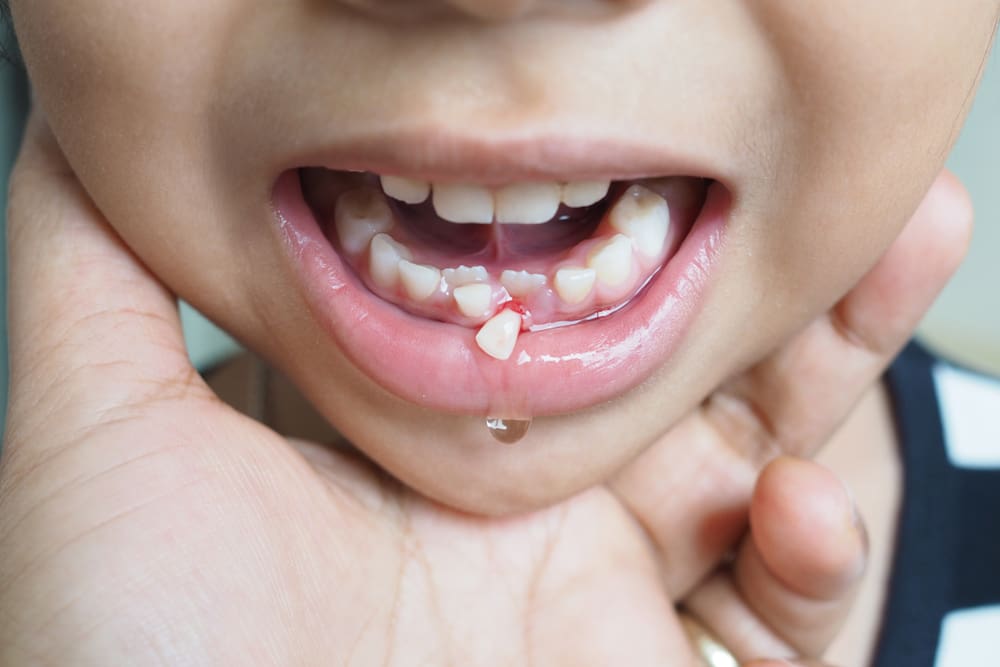
A chipped tooth in a child can happen anytime—during sports, playground play, or even a minor slip at home. When you are unsure what to do, staying calm and acting quickly can make a big difference. If you need guidance, a trusted Dentist in Lithonia can assess the injury and offer the right treatment. Parents should be prepared for dental accidents, as chipped teeth can range from minor cosmetic damage to more serious fractures.
How to Identify the Severity of the Chip
Not all chipped teeth look the same. Some chips affect only the enamel, while others reach the sensitive inner layer of the tooth. Pain, bleeding, and swelling can indicate deeper complications that need attention. Check the tooth, gums, and lips carefully to determine if the injury is minor or more serious. Avoid giving your child very hot or cold drinks because damaged teeth can be sensitive to temperature.
- If your child is bleeding, gently rinse their mouth with lukewarm water.
- Check whether the chip is small or exposes a dark or yellow inner layer.
- Keep your child from biting down on hard snacks or chewing gum.
- If swelling occurs, apply a cold compress to the cheek for 10–15 minutes.
Immediate Care at Home Before Visiting a Professional
Once you see the chipped area, provide basic care at home. This step helps prevent infection and further damage. Ask your child to rinse their mouth to remove dirt or debris. If the broken portion of the tooth is found, keep it in a clean container with milk or saline solution. In many cases, dentists can use the broken piece to restore the tooth. If your child is complaining of pain, you may offer over-the-counter pain relief suitable for children, but avoid aspirin.
When Is a Dental Emergency?
Some chips are harmless, but other situations need urgent attention. Severe pain, deep fractures, or bleeding are warning signs that require immediate help. Children may not always be able to describe their discomfort clearly, so watch for crying, irritability, or refusal to eat. Timely professional care prevents long-term complications like nerve damage or infection, which is why parents should seek help right away for trauma and emergencies in Lithonia. Acting quickly helps protect your child’s smile and prevents further injury.
- Rapid swelling or pain around the tooth
- A crack running vertically into the tooth
- Broken edge cutting the tongue or inner cheek
- A tooth that becomes loose after an impact
How Dentists Treat Chipped Teeth in Children
Treatment depends on the size and depth of the chip. For surface-level chips, a dentist may smooth the edge or use tooth-colored bonding to restore the natural shape. If a large part of the tooth is broken, a filling or crown may be required. When the inner tissue or nerve is affected, treatment becomes more complex to protect the developing tooth. Early care is key, especially when a primary tooth is involved, because damaged baby teeth can affect the growth of permanent teeth.
Tips to Prevent Future Dental Accidents
Kids are active and playful, so accidents will happen. However, certain steps can reduce the chances of dental injuries. Encourage your child to wear protective mouthguards during sports such as basketball, football, or hockey. Avoid giving them hard candies or ice to chew on. Also, remind them not to use their teeth to open packaging or bite objects when nervous.
- Use custom or store-bought mouthguards during sports.
- Teach safe play habits around hard surfaces.
- Check playground equipment for loose or uneven areas.
- Schedule routine checkups with a Dentist near you to monitor dental health.
The Parents’ Role in a Child’s Dental Confidence
Dental injuries can frighten children. Reassure them and make the experience calm. Never scold a child for getting hurt. Instead, support them and explain that the chipped tooth can be repaired. Positive encouragement helps them feel safe when receiving dental care and builds good habits for the future.
Why Fast Action Matters
Even if the chip appears small, ignoring it may lead to complications later. Microscopic cracks can expand with time. Food and bacteria may get trapped in the damaged area, increasing the risk of cavities or infection. Acting early helps preserve natural teeth and reduces the need for extensive treatments.
Final Thoughts
Chipped teeth in children are common and manageable when handled correctly. Parents should stay calm, protect the damaged tooth, and seek professional guidance promptly. If your child experiences any dental emergency or tooth injury, Progressive Dental Group is here to help. Our team provides caring service and timely support for young patients in Lithonia.
📍 Address: 2485 Park Central Blvd #3, Lithonia, GA 30035, United States
🌐 Website: https://www.progressivedg.net/
📞 Call: 770-593-4976