
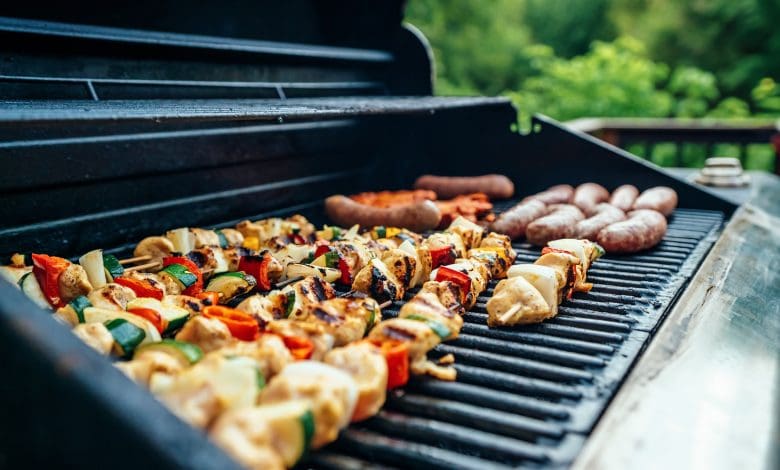
Barbecuing is a global tradition, but the Australian BBQ has a character all its own. It’s less about rigid rules and competition, and more about relaxed gatherings, quality ingredients, and enjoying the outdoors with good company. From backyard grills to beachside hotplates, the Aussie BBQ reflects the country’s climate, culture, and laid-back approach to food and life.
Unlike some international barbecue styles that focus on long cooking times or highly specialised techniques, the Australian BBQ is all about simplicity, versatility, and social connection.
A Culture Built Around the Outdoors
Australia’s love affair with the BBQ is inseparable from its climate. With warm weather across much of the country, outdoor cooking is a year-round activity rather than a seasonal event. Parks, beaches, campgrounds, and even city spaces often feature public BBQ facilities, making it easy to gather friends and family without much planning.
This accessibility has shaped a culture where barbecuing is casual and inclusive. It’s not uncommon to see everything from sausages and steaks to seafood and vegetables cooking side by side, while people chat, laugh, and crack open a cold drink—often from well-loved local brewers like Balter Brewing Co.
It’s About the Ingredients, Not the Smoke
In places like the southern United States, barbecue is often defined by low-and-slow smoking methods and heavily seasoned meats. Australian BBQs, by contrast, tend to focus on fresh, high-quality ingredients cooked quickly and simply.
Common features of an Aussie BBQ include:
- Sausages (snags) served on white bread with onions and sauce
- Steaks and lamb chops, seasoned lightly to let the meat shine
- Fresh seafood, such as prawns, fish, and calamari
- Grilled vegetables, including corn, capsicum, and zucchini
Rather than overpowering flavours with smoke or heavy rubs, Australians generally prefer to let the natural taste of the food take centre stage.
The Sausage Sizzle: A National Institution
Few food traditions are as uniquely Australian as the sausage sizzle. Found at hardware stores, school fundraisers, sporting events, and election days, it’s a simple setup—sausages, onions, bread, and sauce—but it carries a deep sense of community.
This tradition highlights a key difference between Australian BBQ culture and others around the world: it’s not about showing off culinary prowess. It’s about bringing people together, raising funds, and creating shared experiences around food.
A Blend of Global Influences
Australia’s multicultural population has also shaped its BBQ style. While the classic backyard cook-up remains a staple, it’s common to see influences from:
- Asian cuisines, with marinades, skewers, and seafood
- Mediterranean traditions, featuring olive oil, herbs, and lamb
- South African braai culture, which shares a similar social focus
This openness to different flavours means Australian BBQs are often more diverse than their international counterparts, with no single “correct” way to grill.
Beer, Conversation, and No Rush
Another defining feature of the Australian BBQ is its pace. Meals are rarely rushed, and the BBQ often stretches over hours as food is cooked in batches and conversations flow freely. Drinks play a supporting role—not as the main event, but as part of the overall experience of relaxing and connecting.
Rather than formal seating or strict serving times, people graze, mingle, and help themselves. The BBQ becomes less about the food alone and more about the atmosphere it creates.
Enjoy a BBQ that reflects the Australian way of life
Ultimately, what makes an Australian BBQ different is not just what’s cooked, but how and why it’s done. It reflects values Australians hold close: informality, inclusiveness, appreciation for quality produce, and a strong connection to the outdoors.
While barbecue traditions around the world can be competitive or highly specialised, the Aussie BBQ stands out for its easygoing nature. It’s not about perfection—it’s about enjoying good food, good weather, and even better company.