

Stainless steel foil has become an indispensable material in modern manufacturing, especially in industries requiring precision and durability. Among the various grades available, 316L stainless steel foil stands out for its exceptional corrosion resistance, high-temperature stability, and versatility. This article delves into the manufacturing process of ultrathin 0.008mm 316L stainless steel foil, its applications in heat treating, and why it’s a game-changer for industries worldwide.
What Makes 316L Stainless Steel Foil Unique?
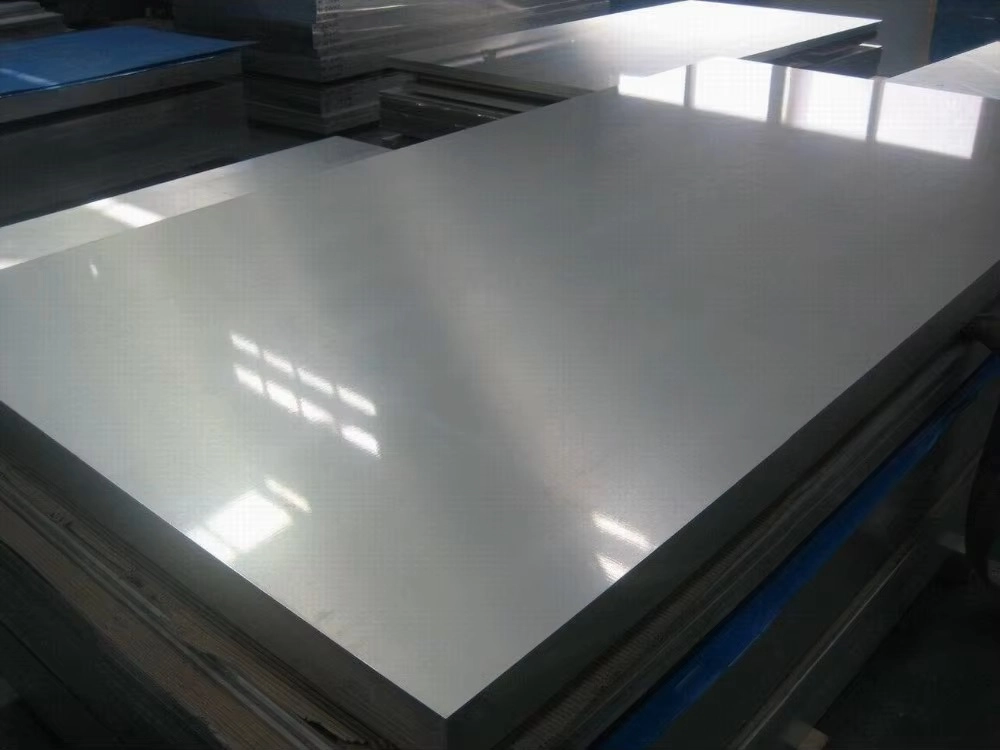
316L stainless steel is a low-carbon variant of the 316 alloy, making it ideal for applications requiring welding or heat treating. Its composition includes molybdenum, which enhances its resistance to pitting and corrosion in chloride environments. When manufactured into ultrathin foils as thin as 0.008mm, this material offers unparalleled flexibility and strength, making it suitable for demanding applications like aerospace, medical devices, and electronics.
For more details on stainless steel properties, visit Wikipedia’s Stainless Steel page.
The Manufacturing Process of Ultrathin 316L Stainless Steel Foil
Producing 0.008mm 316L stainless steel foil requires precision engineering and advanced technology. Here’s a step-by-step breakdown:
1. Raw Material Selection
The process begins with high-quality 316L stainless steel coils, which are carefully inspected for consistency and purity.
2. Cold Rolling
The coils undergo cold rolling to reduce thickness gradually. This process ensures uniformity and maintains the material’s mechanical properties.
3. Annealing
Annealing is crucial to relieve internal stresses and enhance ductility. The foil is heated to a specific temperature and then cooled slowly.
4. Precision Cutting
The foil is cut to the desired dimensions using laser or mechanical cutting techniques.
5. Surface Finishing
Finally, the foil undergoes surface treatments like polishing or coating to meet specific application requirements.
For more insights into stainless steel foil manufacturing, check out How Thin Can Stainless Steel Foil Actually Get?.
Applications of 316L Stainless Steel Foil in Heat Treating
Heat treating is a critical process in industries like automotive, aerospace, and electronics. Here’s how 316L stainless steel foil excels in this domain:
1. Thermal Insulation
Its ultrathin profile makes it ideal for creating thermal barriers in high-temperature environments.
2. Protective Layers
The foil acts as a protective layer during heat treating, preventing oxidation and contamination.
3. Precision Components
Its flexibility and strength allow it to be used in intricate components requiring heat resistance.
For a comprehensive guide on heat treatment, visit Stainless Steel Foil Heat Treatment Guide.
Why Choose 316L Stainless Steel Foil?
1. Corrosion Resistance
The addition of molybdenum makes it highly resistant to corrosive environments.
2. High-Temperature Stability
It maintains its integrity even at extreme temperatures, making it ideal for heat treating.
3. Flexibility
At 0.008mm, the foil offers unmatched flexibility without compromising strength.
4. Sustainability
Stainless steel is 100% recyclable, aligning with eco-friendly manufacturing practices.
For more on sustainable applications, explore Stainless Steel Coil’s Impact on Sustainable Architecture.
FAQs
1. What is the difference between 316 and 316L stainless steel foil?
316L has a lower carbon content, making it more suitable for welding and heat treating.
2. Can 316L stainless steel foil be used in medical applications?
Yes, its corrosion resistance and biocompatibility make it ideal for medical devices.
3. How thin can 316L stainless steel foil get?
It can be manufactured as thin as 0.008mm, offering exceptional flexibility.
4. Is 316L stainless steel foil recyclable?
Absolutely, stainless steel is 100% recyclable, making it an eco-friendly choice.
Summary
Manufacturing ultrathin 0.008mm 316L stainless steel foil is a testament to modern engineering prowess. Its unique properties, including corrosion resistance, high-temperature stability, and flexibility, make it indispensable for heat treating and other demanding applications. Whether you’re in aerospace, electronics, or medical manufacturing, this material offers unmatched performance and reliability.
For more information on stainless steel products, visit Stainless Steel Foil Products.