
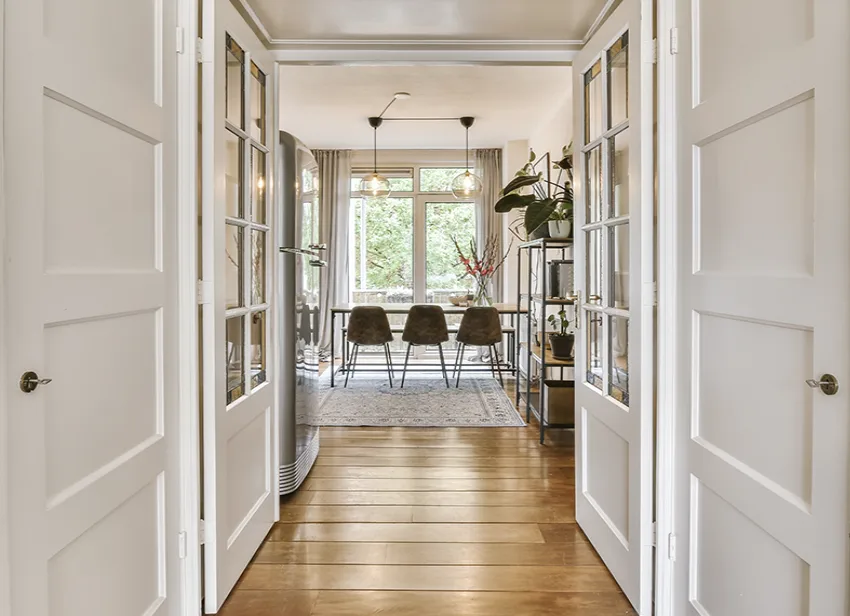
The real estate market in Canada is competitive and dynamic. Homeowners looking to sell often search for extensive renovation projects to boost their asking price. However, veteran real estate agents consistently point to a simpler and more cost-effective solution. They view paint not merely as a decorative choice but as a strategic marketing tool that can significantly influence a buyer’s decision.
When a potential buyer walks into a home, they make a judgment within the first few seconds. This initial impression is difficult to reverse. Real estate professionals agree that fresh interior paint is widely considered the home improvement with the highest rate of return on investment. It transforms the atmosphere of a property, masks years of wear, and signals to buyers that the home has been well-maintained.
The Psychology of Colour in Home Sales
Buyers rarely purchase a home based on logic alone. Ideally, they form an emotional connection with the space. This is where colour psychology plays a pivotal role in the selling process. Real estate agents often advise clients to move away from bold, personalized colours that may reflect the current owner’s taste but alienate potential buyers.
The goal is to create a neutral canvas. When a buyer sees bright red dining room walls or a deep purple bedroom, they often struggle to visualize their own furniture and artwork in the space. They see a project that will require time and money to fix. By switching to neutral tones, sellers remove this mental barrier.
Trending neutrals in the Canadian market currently include warm greys, often called “greige,” and soft, creamy whites. These shades reflect light effectively, making rooms appear larger and more inviting. They modernize a space without making it feel cold or sterile. A cohesive colour palette allows the buyer to focus on the architecture and the potential of the home rather than being distracted by the decor.
Why Quality Execution Matters More Than Colour
While choosing the right shade is important, the application of that paint is arguably more critical. A common grievance among real estate agents involves homeowners who attempt to paint their homes themselves to save money. Unfortunately, this strategy often backfires.
Inconsistent coverage, roller marks on the ceiling, and shaky lines where the wall meets the trim are immediate red flags to a buyer. These imperfections signal deferred maintenance. They suggest that if the cosmetic work was done poorly, there might be deeper, unseen issues with the property.
High-value listings require a flawless finish that only experience can provide. This is where professional interior house painting services prove their worth by delivering a level of precision that DIY efforts rarely match. Expert painters ensure that baseboards are crisp, walls are smooth, and the colour is uniform throughout the room. This attention to detail communicates quality and care, allowing agents to market the home as a premium listing.
The Return on Investment (ROI) of Fresh Paint
From a financial perspective, painting offers an impressive cost-to-value ratio. Major renovations, such as remodeling a kitchen or finishing a basement, can cost tens of thousands of dollars. While these add value, they do not always recoup 100% of their cost upon resale. In contrast, painting requires a much smaller upfront investment while offering the potential to increase the final sale price significantly.
According to data from the Appraisal Institute of Canada, cosmetic updates like painting and lighting are among the most effective ways to increase a property’s appeal and value without overcapitalizing.
The impact of fresh paint extends to the digital realm as well. Most modern homebuyers begin their search online. Listings with bright, clean, and freshly painted rooms photograph significantly better than those with dark or scuffed walls. A home that looks pristine in photos generates more clicks, more showings, and ultimately more offers.
Addressing Surface Imperfections Before Painting
A fresh coat of paint does more than just change the colour. It is the final step in a process of restoration. Over time, every home accumulates wear and tear. This includes small dings in the drywall, nail pops, settlement cracks, and areas where plaster may have degraded.
Professional painters do not simply paint over these problems. They spend a significant amount of time prepping the surface. This involves filling holes, sanding rough patches, and repairing plaster to ensure a glass-smooth substrate. When a buyer looks closely at the walls, they should see a solid, immaculate surface. Agents note that smooth walls imply the house is structurally sound and well-cared for, which helps justify a higher asking price.
Strategic Rooms That Yield the Highest Returns
If painting the entire interior is not feasible due to budget or timeline constraints, real estate agents suggest prioritizing specific areas that carry the most weight with buyers.
The foyer or entryway is the most critical area. It sets the tone for the entire viewing. If the first thing a buyer sees is scuffed walls or dated wallpaper, the showing starts on a negative note. A bright, fresh entrance creates an immediate sense of welcome.
Kitchens and living rooms are the heart of the home and are where families spend the majority of their time. These high-traffic areas accumulate the most wear and tear. refreshing these spaces can make the entire house feel newer.
Bathrooms also benefit greatly from a fresh coat. Because they are small, humidity-prone spaces, they can quickly look dingy. A clean coat of semi-gloss or satin paint can make a bathroom feel sanitary and sparkling, which is a major selling point.
The “Move-In Ready” Appeal
Today’s homebuyers are often busy professionals or young families who do not have the time or desire to take on renovation projects immediately after moving in. There is a premium placed on “turnkey” properties. Buyers are often willing to pay more for a house that requires zero work upon closing.
A home that smells fresh and looks pristine signals that the buyer can simply unpack and start living. Conversely, a home that needs painting represents a “to-do” list. Buyers will often overestimate the cost of that work and deduct it from their offer price. By handling the painting professionally before listing, sellers remove that negotiation leverage from the buyer and speed up the sales cycle.
Conclusion
Paint is more than just a cosmetic layer. It is a direct investment in the equity of a home. Real estate agents consistently highlight the importance of presentation in achieving a top-tier sale price. By utilizing professional skills to smooth imperfections and apply modern, neutral colours, homeowners can significantly enhance the perceived value of their property. Whether you are planning to sell next month or simply want to protect your investment, ensuring your walls are in excellent condition is a decision that pays dividends.
Frequently Asked Questions
Yes, painting is widely regarded as one of the best investments for increasing property value. It offers a high return on investment by modernizing the home’s appearance, covering wear and tear, and making the property more attractive to a wider pool of buyers.
Real estate experts recommend neutral tones that appeal to the widest audience. Popular choices include warm greys (greige), soft whites, and light beiges. These colours make spaces feel larger and allow buyers to envision their own belongings in the home.
While DIY painting can save on labour costs, hiring a professional is often recommended for selling. Professionals deliver a higher quality finish, proper surface preparation, and crisp lines that buyers expect in a high-value home. Poorly executed DIY paint jobs can actually detract from the home’s value.
The cost varies depending on the square footage, the condition of the walls, the height of the ceilings, and the quality of paint selected. It is best to request a detailed quote from a reputable service provider to understand the specific costs for your unique home layout.