

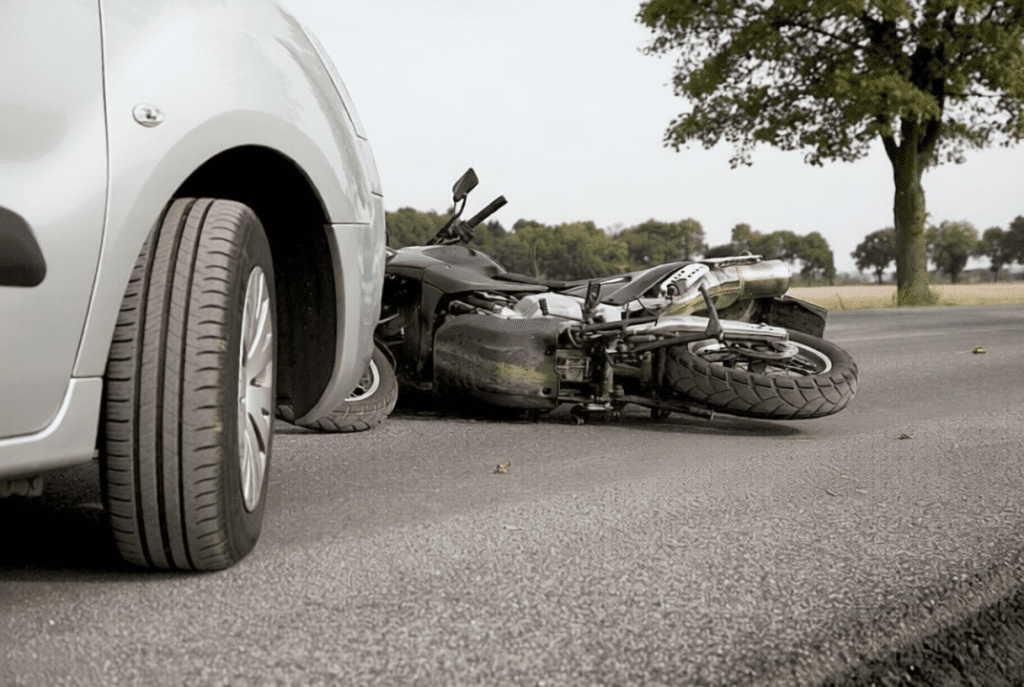
After a motorcycle crash, most people want to know how long it will take to reach a fair outcome. The honest answer is that timelines vary because recovery, evidence, and insurance positions change from case to case. Some cases wrap up in a few months, but serious injuries or disputed fault can take a year or longer. Early steps like medical treatment, documentation, and reporting often shape the pace more than people expect. Salamati Law Personal Injury Attorney in Los Angeles, CA takes motorcycle cases seriously and builds the case rather than rushing to settle. Knowing the usual stages can reduce stress and help you make steady decisions.
A lawsuit timeline is not just about court dates, because most cases start long before a complaint is filed. The process often begins with emergency care, follow-up visits, and a plan for therapy or specialist treatment. During this period, records are collected to show how the crash affected work, mobility, and daily life. Insurance companies may request statements or releases, and those requests should be handled carefully. If they deny fault or lowball you, the claim may turn into a lawsuit. The best approach is to move deliberately, because speed without proof can weaken the final result.
The First Weeks: Care, Reporting, And Evidence Collection
In the first few weeks, the focus is usually medical stability and preserving key evidence from the crash. Photos of the scene, damage, road conditions, and visible injuries can be important later. Police reports, witness contact details, and any video footage should be requested as soon as possible. At this point, people often ask about typical lawsuit timeframes and what makes one case move faster than another. The main reason is that a case cannot be valued well until the injuries and required treatment are understood. When early documentation is complete, later negotiations tend to be clearer and faster.
The Next Few Months: Investigation And Demand Negotiations
Once treatment is underway, the case often moves into a deeper investigation phase. Liability evidence may include traffic laws, vehicle positions, phone records, and expert opinions about how the crash occurred. At the same time, medical records and billing summaries are organized to show past costs and expected future care. A demand package may be sent to the insurer that explains fault and lists damages in a structured way. Negotiations can take weeks or months depending on how realistic the insurer is about responsibility and injury severity. If the parties move closer on value, settlement can happen without filing in court.
Filing The Lawsuit: Pleadings And Early Court Steps
If they will not work with you, filing a lawsuit may prompt a response and move the matter forward. After filing, the other side is served and must respond by a deadline, starting the court schedule. The early stage includes initial filings, scheduling orders, and sometimes motions that challenge parts of the case. Courts often require case management conferences where deadlines and progress are discussed. This phase can feel slow because the court balances many cases, not just one. Even so, filing can motivate more serious settlement discussions because the risk of trial becomes more real.
Discovery: The Longest And Most Detailed Phase
Discovery can take the most time because both sides gather records and sit for sworn-question-and-answer sessions. You may see written questions, requests for records, and depositions of drivers, witnesses, and treating providers. Medical examinations may be requested by the defense, and those appointments can add time. Experts may be hired to address crash mechanics, injury causation, or future medical needs. Delays happen when records are incomplete, schedules conflict, or parties argue over what must be produced. When discovery is thorough, it often clarifies case value and increases the chance of settlement.
Mediation, Settlement, Or Trial: Reaching The Finish Line
Many courts encourage mediation or settlement conferences after key discovery is completed. Mediation can resolve a case in a single day if both sides arrive prepared with realistic expectations. If settlement fails, the court sets a trial date, and preparation becomes more intensive and time sensitive. Trial timing depends on court availability, motions, and whether the parties need more expert work. Some cases still settle shortly before trial because costs and uncertainty rise for both sides. A final resolution usually comes through a signed settlement agreement or a verdict after trial.
In most motorcycle accident cases, the timeline depends on injuries, proof, and how strongly the insurer contests fault. Early medical care and clean documentation often shorten the process because the claim can be valued with fewer unknowns. Sometimes you can resolve it in a few months, but going to court often takes longer as dates fill up. Filing a lawsuit does not always mean a trial, since many cases settle after structured deadlines begin. The most practical goal is steady progress that protects the quality of evidence and the accuracy of damages. When each stage is handled carefully, time is spent building leverage instead of fixing avoidable mistakes.