

Beauty is not only your face or skin, but also includes the hair on your head. Everyone wants healthy hair, but baldness has been spreading worldwide for decades. Hair regrowth can be achieved through a hair transplant. No traditional methods, therapies, or home remedies can regrow your lost hair. If you are considering or have undergone a hair transplant, you should be aware of certain related details. If you want to understand the average hair growth after a hair transplant in Islamabad, read this post until the end. Discover the phases, contributing variables, and professional advice for a successful outcome as you unravel the secrets of the typical rate of hair growth after a transplant.
The Cycle of Hair Growth
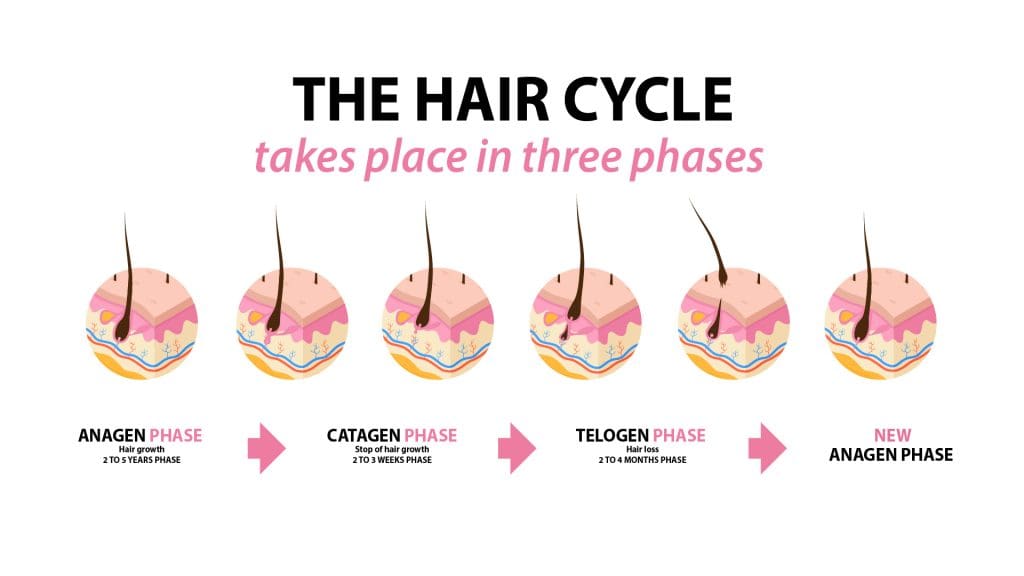
The phases that hair follicles go through are four. These four stages are collectively known as the hair growth cycle. The following are the stages:
- Anagen: Approximately 80–90% of hair follicles are in this stage of development. The blood flow to the hair is robust and constant, supplying nutrients that promote healthy development.
- Catagen: This transitional stage affects around 5% of your hair, according to estimates. Hair follicles disconnect from the circulatory system supply during the catagen phase.
- Telogen: 10–15% of hair is still in the resting period. When the follicle rests without food, the hair stops growing.
- The phase of exogenous shedding. You may shed up to 100 hair strands per day on average. Dislodged hair is a result of routine activities like brushing and washing. New hair starts to develop to be ready for the next anagen cycle.
What Is the Average Hair Growth Rate After Hair Transplant?
Keep in mind that each person is unique. It is impossible to predict someone’s future with absolute confidence. We cannot tell what the average growth rate after a hair transplant is, but what you may anticipate:
First 7–10 Days: Healing
You will experience bodily recuperation. You will get comprehensive guidelines on what to do and what not to do. The scabs from your extraction punctures will start to peel off by the end of the week. The donor area’s hair will blend in beautifully. Throughout this period, our Hair Doctor staff will follow up with you often to ensure everything is proceeding according to schedule.
Shedding or “Dormant Shock” Phase: 0–3 Months
Hair transplants can be challenging due to the initial three months of hair growth and shedding. Latent shock may vary depending on the region, with the hairline typically growing earlier and the crown remaining in quiescent shock for the longest. Hairline restoration can result in good growth in as little as two months.
Phase of Slow Growth: 3–4 Months
It’s getting exciting now. Your hair will eventually start to grow around the start of Month 4. It might at first seem thin and curly. At this point, the transplanted region may appear patchy since the individual follicles are still in various phases of development within their cycle. Again, such wiry-looking hair may startle you if you were expecting something else. That is where knowing what to anticipate is crucial.
Phase of Real Growth, 4-6 Months
For most patients, this is the most thrilling stage. Starting in the fourth month, you should anticipate rapid development. You will notice a significant change, and your hair will fill in beautifully. We will follow up with our patients once more after the conclusion of this period. Many people are amazed by their new images compared to the ones they had previously. Thus, it is a pleasant day.
“Hair Busting” and Maturity at 6–12 Months
Hair transplants often result in about 50% of anticipated growth, with full growth occurring at a 1-year or 15-month period. The hair grows at a regular pace of 1-2 cm per month, filling in more densely. It takes around 4 months to see noticeable changes and up to 6 months to appear natural. The staff produces top-notch work, but unrealistic expectations can ruin the process.
Conclusion
Hair transplants can be challenging due to the initial three months of hair growth and shedding. Hair Doctor patients are prepared for this, as they are already prepared for this. Latent shock may vary depending on the region, with the hairline typically growing earlier and the crown remaining in quiescent shock for the longest. Hairline restoration can result in good growth in as little as two months.
The JJ Aesthetic Clinic Pk can be your best choice for the best results and increased average growth of hair after transplant.
