
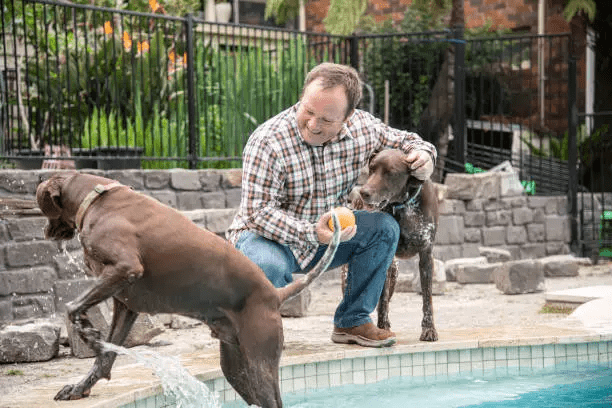
Leaving your dog at home alone all day can feel stressful. Many dogs get bored, lonely, or anxious without company or structure. That is why more pet owners are choosing professional dog day care. It offers dogs a full day of activity, social time, and supervision while owners are at work or busy.
But what actually happens during a typical day at a dog day care? Is it just playtime, or is there more structure involved? In this article, you will get a clear look at how professional dog day care works, from morning check-in to afternoon pickup, and why it can be a positive experience for your dog.
What Is Dog Day Care?
Dog day care is a supervised environment where dogs spend the day playing, resting, and socialising with other dogs. It is different from overnight boarding, dog walking, or pet sitting at home.
Professional day care centres focus on:
- Safety and supervision
- Structured routines
- Social interaction
- Physical and mental stimulation
Dogs are grouped based on size, temperament, and play style. Trained staff members monitor behaviour throughout the day to make sure play stays safe and positive.
Morning Routine at Dog Day Care
Arrival and Check-In
The day usually starts with a calm and organised check-in process. Dogs arrive in the morning and are welcomed by staff who already know their personalities and needs.
During check-in, staff may:
- Observe your dog’s mood and energy level
- Do a quick health check
- Confirm feeding or medication instructions
Dogs are then guided into their assigned play groups. Many facilities in Dog day care Melbourne follow structured grouping systems to avoid stress and overstimulation. For example, places like Woofers World use thoughtful group management to ensure dogs feel comfortable and secure.
Social Play and Exercise
Once settled, dogs begin their first play session. This is often the most energetic part of the day.
Activities may include:
- Free play with other dogs
- Chasing games
- Tug or toy play
- Light agility or obstacle areas
Staff members are always present to guide play, redirect rough behaviour, and give breaks when needed. Dogs that prefer calmer interaction are offered gentler activities or smaller groups.
Midday Activities
Structured Games and Enrichment
Late morning often includes structured activities designed to engage dogs mentally as well as physically. This part of the day helps prevent boredom and encourages positive behaviour.
Common enrichment activities include:
- Puzzle toys
- Scent games
- Simple training exercises
- Problem-solving tasks
Mental stimulation is just as important as physical exercise. Dogs that think and learn during the day tend to be calmer and more relaxed later.
Rest and Relaxation Time
Professional dog day care is not non-stop excitement. Rest is built into the schedule to prevent dogs from becoming overtired.
Most centres provide:
- Quiet rest areas
- Individual beds or mats
- Calm music or low-noise environments
This downtime helps dogs recharge before afternoon activities and reduces the risk of stress-related behaviour.
Feeding, Snacks, and Individual Care
Some dogs receive meals or snacks during the day based on owner instructions. Staff ensure:
- Clean water is always available
- Feeding routines are followed correctly
- Special diets or medications are handled carefully
Dogs also get one-on-one attention, including gentle pats, reassurance, or quiet time if they need it.
Afternoon Sessions
Continued Play and Exercise
After rest time, dogs return to supervised play. Afternoon sessions are often calmer than the morning but still active.
Activities may include:
- Group play at a relaxed pace
- Outdoor time if weather allows
- Gentle games like fetch or walking circuits
Senior dogs or those with lower energy levels often have shorter play sessions with more rest breaks.
Specialised Activities
Some professional dog day care centres offer optional extras such as:
- Basic training refreshers
- Grooming or brushing
- Cooling activities during warm weather
These sessions are always supervised and tailored to suit each dog’s comfort level.
End of Day Routine
Wind Down and Final Check
As the day comes to an end, dogs begin to wind down. This transition is important so dogs leave feeling calm rather than overstimulated.
Staff may:
- Encourage quiet play
- Clean paws and coats if needed
- Do final health and behaviour checks
Many centres keep daily notes on each dog’s mood, appetite, and social interactions.
Pickup and Owner Connection
When owners arrive, dogs are reunited in a relaxed setting. Staff often share feedback about:
- How your dog interacted with others
- Energy levels throughout the day
- Any new behaviours or improvements
Some facilities also provide photos or updates so owners can see how their dog spent the day.
Benefits of a Daycare Routine
Socialisation and Confidence Building
Regular interaction with other dogs helps improve social skills. Dogs learn how to read body language, share space, and communicate calmly.
This can be especially helpful for:
- Young dogs
- Dogs new to social settings
- Dogs that lack confidence
Physical and Mental Stimulation
A full day of movement and enrichment supports overall health. Active dogs tend to:
- Maintain a healthy weight
- Sleep better at home
- Show fewer behavioural issues
Mental challenges also reduce boredom, which is a common cause of destructive behaviour.
Reduced Anxiety and Better Behaviour at Home
Dogs that attend day care often feel more settled when they return home. A structured day reduces separation anxiety and excess energy.
Many owners notice:
- Less barking or chewing
- Improved focus
- A calmer attitude in the evenings
How to Choose the Right Dog Day Care
Not all dog day care centres are the same. When choosing one, look for:
- Trained and experienced staff
- Clean and secure facilities
- Clear grouping and safety policies
- Open communication with owners
It is always a good idea to ask questions, request a tour, and start with a trial day.
Conclusion
A professional dog day care offers far more than just a place to pass the time. It provides structure, social interaction, enrichment, and rest, all under expert supervision. From morning play to afternoon wind-down, each part of the day is designed to support your dog’s physical and emotional wellbeing.
For busy owners, dog day care offers peace of mind. For dogs, it offers companionship, stimulation, and a routine they can look forward to every day.