
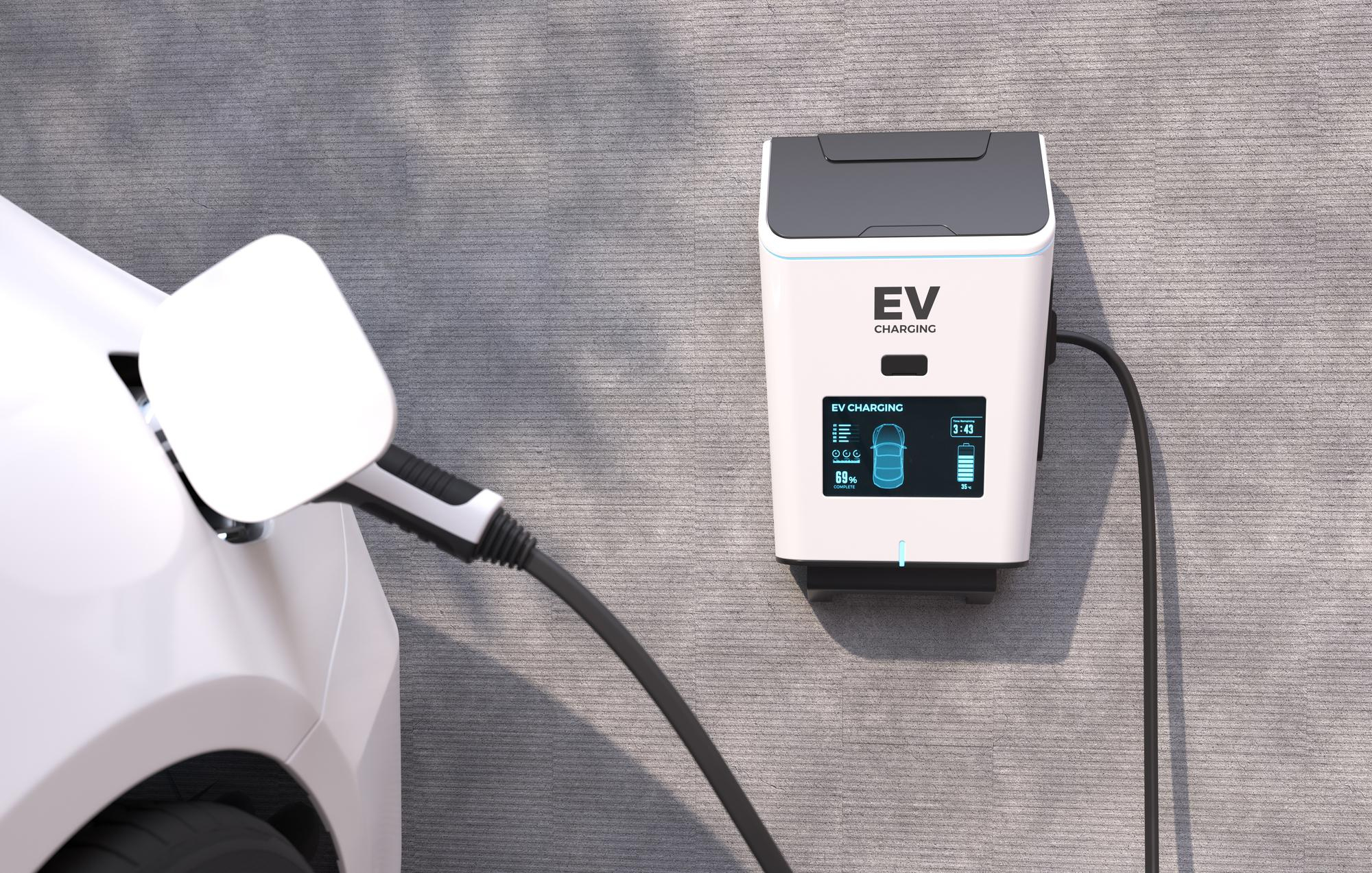
Electric vehicles are becoming more common across Everett. From neighborhoods near Silver Lake to homes closer to Forest Park, more homeowners are planning for at-home charging. While selecting a charger often feels like the main decision, the more important question is whether your electrical panel can safely support it. Before moving forward with EV Charger Installation in Everett, understanding panel capacity is essential.
Many homes were built long before electric vehicles were considered part of everyday life. Adding a Level 2 charger without evaluating your electrical system can lead to overloaded circuits, nuisance breaker trips, or the need for unexpected service upgrades.
Why Panel Capacity Is the First Step in EV Charger Installation
Your electrical panel distributes power throughout your home. Every appliance, lighting circuit, and outlet draws from this central point. When you add an EV charger, especially a Level 2 unit, you are introducing one of the largest continuous electrical loads in the house.
A typical Level 2 charger may require a 40 to 60 amp circuit. That load runs for several hours at a time. If your panel does not have sufficient capacity, adding a charger can strain the system. For EV Charger Installation in Everett, panel capacity is not just a technical detail. It is the foundation of a safe installation.
100 Amp vs 200 Amp Panels in Everett Homes
Many older homes in Everett still operate on 100-amp service. These panels were sufficient decades ago when electrical demand was lower. Today, households often include electric ranges, heat pumps, tankless water heaters, and modern electronics.
In areas near Bayside, where some homes date back several decades, it is common to see panels that are already near their maximum load. Adding a 50-amp EV charging circuit to a fully utilized 100-amp panel can push the system beyond safe limits.
Newer homes are more likely to have 200-amp service, which offers greater flexibility. However, even 200-amp panels require a proper load calculation before proceeding with EV Charger Installation in Everett.
Understanding Load Calculations
Load calculation is a formal process used to determine how much electrical demand your home places on the panel. This calculation considers:
- Square footage of the home
- Major appliances and their rated amperage
- Heating and cooling systems
- Existing dedicated circuits
- Continuous load requirements
EV charging qualifies as a continuous load, which means it operates for three hours or more at a time. Electrical codes require continuous loads to be calculated at 125 percent of their rated current. That means a 40-amp charger may need to be accounted for as a 50-amp load.
Without a professional load calculation, homeowners risk underestimating the true demand placed on the panel.
Breaker Space and Physical Limitations
Panel capacity is not only about amperage. Physical breaker space also matters. Many panels in older Everett homes are already filled. Even if the panel technically supports additional load, there may not be room for a double-pole breaker required for EV charging.
In neighborhoods near Northwest Everett, electricians frequently encounter panels that lack available space. In these cases, options may include installing a subpanel or upgrading the main service.
When a Panel Upgrade Becomes Necessary
Sometimes the safest and most practical solution is a full panel upgrade. While this adds to the initial investment, it provides long-term benefits:
- Increased electrical capacity
- Improved safety and reliability
- Room for future additions
- Compliance with current electrical standards
If your home is planning additional upgrades, such as a heat pump or induction range, addressing panel capacity during EV Charger Installation in Everett can prevent repeated electrical work later.
Utility Coordination and Service Limits
In some cases, the limitation is not only within the home. The service drop from the utility company also determines maximum capacity. If a home is currently served by a lower-capacity line, a service upgrade may require coordination with the utility provider.
Homes near Harborview Park and other established neighborhoods sometimes require both panel and service upgrades to support modern electrical loads. This step should always be handled by a licensed electrician who understands local requirements and permitting procedures.
Smart Load Management as an Alternative
For homeowners who want to avoid a full panel upgrade, load management technology may offer a solution. Some modern EV charging systems can dynamically adjust charging speed based on total household demand. These systems monitor panel usage and temporarily reduce charger output when other high-demand appliances are running.
While not suitable in every situation, load management can allow EV Charger Installation in Everett without immediately upgrading to a higher amp panel. A professional evaluation determines whether this approach is feasible.
Garage Location and Wiring Distance
Panel capacity also interacts with charger placement. If your panel is located far from the garage, additional wiring length increases installation complexity. Long conduit runs can affect voltage drop and installation cost.
Homes near Silver Firs often have attached garages, which simplifies wiring. Detached garages may require trenching or additional subpanels, further emphasizing the importance of proper planning.
Planning for the Future
EV Charger Installation in Everett should not be viewed as a single event. Many households will eventually own more than one electric vehicle. Planning for future demand can prevent repeat upgrades.
When evaluating panel capacity, it makes sense to consider:
- Potential second EV charger
- Future home electrification
- Solar integration
- Battery storage systems
Addressing these possibilities during the initial assessment ensures your electrical system remains adaptable.
Why Professional Evaluation Matters
Panel capacity is not something that can be guessed by looking at the label on the breaker box. It requires formal calculations, code knowledge, and experience with local housing stock. A licensed electrician understands how Everett homes are built, what common limitations exist, and how to navigate permitting requirements.
Proper planning reduces the risk of overloaded circuits, electrical hazards, and costly corrections.
Moving Forward With Confidence
If you are considering EV Charger Installation in Everett, the first step should always be a professional panel evaluation. Understanding your home’s electrical capacity ensures the installation is safe, code-compliant, and prepared for future demand.
Working with an experienced local electrician allows you to move forward confidently, knowing your system can handle the additional load and support your transition to electric driving without compromise.