
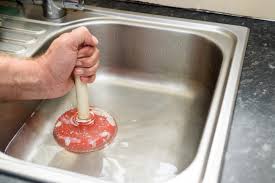
Blocked drains are one of the most common plumbing problems in homes and businesses across Australia. Whether it’s a slow-draining sink, a gurgling toilet or water backing up in the shower, the signs are hard to miss and usually show up when you least expect them. While it’s tempting to ignore small issues, leaving them too long can lead to bigger repairs and even damage to your property.
Common Reasons Drains Get Blocked
Most blockages start small. They build up over time and get worse when things that shouldn’t go down the drain end up there. One of the most frequent causes is hair, especially in bathroom sinks and showers. Hair catches in the pipes and combines with soap scum to form a thick sludge. In kitchens, food scraps, cooking oil, and grease are usually the main culprits. These substances might seem harmless when washed down with hot water, but once they cool, they harden and stick to the inside of your pipes.
Toilets are another problem area. Wet wipes, paper towels, and sanitary items are often flushed, even though they don’t break down like toilet paper. Over time, these build up and block the pipes, sometimes further down where they’re harder to reach.
Outside the house, tree roots are a major issue, especially in older properties. Roots grow towards moisture, so even a small crack in a pipe is enough to attract them. Once inside, they keep growing and can cause serious blockages or even break the pipe completely.
How to Stop Blockages Before They Start
You can prevent most blockages just by being careful about what goes down your drains. In the bathroom, placing a simple hair trap over the plughole can stop strands of hair from going into the pipes. In the kitchen, scrape leftover food into the bin and let fats and oils cool before putting them in the rubbish. Never pour oil or grease directly down the sink — even if you follow it with hot water.
For the toilet, only flush toilet paper. Everything else should go in the bin, no matter what the packaging says. “Flushable” wipes often cause more harm than good, so it’s best to avoid them altogether.
Outside, if you have large trees close to your plumbing lines, it’s a good idea to have a plumber check the condition of your pipes every year or so. They can spot any early signs of root damage and fix it before it becomes a costly issue.
Warning Signs to Watch For
The earlier you spot a problem, the easier and cheaper it is to fix. Slow draining water, bad smells coming from the drain, or a gurgling sound when water goes down are all signs something might be wrong. If more than one drain in the house is acting up at the same time, the blockage could be deeper in the system.
In some cases, people notice their toilet water rising higher than usual or not flushing properly. These signs should never be ignored. Getting help from a professional plumber quickly can prevent further damage and save money in the long run.
Getting Professional Help
If you’ve tried to fix the issue with a plunger or drain cleaner and it’s still not working, it’s time to call in an expert. Local plumbers have the tools to find and clear blockages fast without damaging your pipes. Whether you’re dealing with a one-off problem or it keeps coming back, a professional will be able to find the cause and stop it for good.
If you’re dealing with a blocked drain in Sydney, don’t wait for the problem to get worse. The team at Dr Leak Plumbing are experienced in clearing blocked drains in Sydney and can help get your plumbing running smoothly again.
