

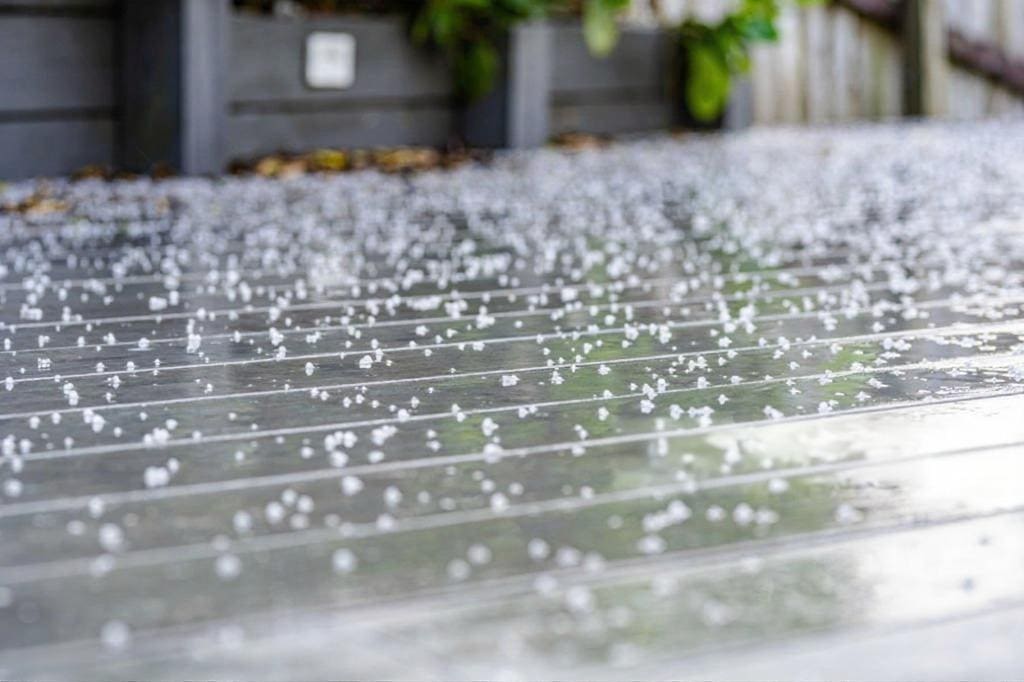
Commercial hail damage can look minor at first, yet it often leads to leaks, lost inventory, and business interruption. Many owners assume the insurer will recognize the storm impact and pay the full cost to restore the property. Instead, denials and low payments frequently happen because the carrier questions what was damaged and when it occurred. The strongest claims usually start with clear records, timely notice, and a repair scope that matches real building conditions. The experienced insurance claim attorneys at Vishio Watkins & Forry, PLLC in Naples, FL, are often more methodical than many firms because the team focuses on policy language and proof before the dispute escalates. If you need hail damage claim support, it helps to understand the common denial patterns so you can respond with a plan.
Damage Labeled as Wear and Tear Instead of Hail
A frequent denial reason is the claim that the roof was already old and failing before the storm. Insurers may argue that dents, cracks, or membrane issues come from normal aging rather than hail impact. They may also point to past repairs and say the condition was preexisting. This is common for flat roofs, metal panels, and rooftop equipment that show gradual corrosion. The best counter is documentation that ties the damage to the storm date and shows a sudden change in condition. Photos, inspection notes, and preserved samples can help establish that hail caused functional damage, not just cosmetic marks.
Late Reporting and Procedural Slip Ups
Commercial claims get underpaid when notice is delayed and the insurer claims it lost the chance to inspect the original condition. After a storm, businesses may focus on keeping operations running, which can push insurance tasks to the side. Some policies also require specific steps, such as sworn statements, inventories, and detailed proofs of loss by certain dates. If these items are missed or incomplete, the carrier may reduce payment or deny parts of the claim. A clean paper trail helps, including emails, call logs, and confirmation of what was submitted and when. When deadlines are unclear, sending documents early and requesting written acknowledgment can protect the claim.
Incomplete Inspections and Narrow Scopes of Repair
Underpayment often starts with a quick inspection that overlooks hidden damage. Hail can bruise membranes, loosen fasteners, crack sealants, and damage flashing in ways that are not obvious from the ground. Adjusters may focus on a few test squares and then apply that limited finding to the whole roof. They may also ignore damage to vents, skylights, HVAC units, gutters, signage, and exterior cladding. A full scope should connect observed impacts to performance risks like leaks, water intrusion, and shortened roof life. A detailed estimate supported by photos and measured quantities can show why the insurer scope is too small.
Exclusions, Endorsements, and Valuation Games
Some denials are driven by endorsements that limit hail coverage or set special deductibles for wind and hail events. Carriers may also rely on exclusions for faulty installation, poor maintenance, or prior damage to deny key line items. Even when coverage applies, insurers can underpay by applying heavy depreciation or valuing repairs at unrealistically low prices. Another common issue is refusing code related upgrades that are required to complete repairs legally and safely. If the policy includes replacement cost provisions, the insured may need to show what is required to return the building to pre loss condition. Reading the policy carefully and matching each estimate line to covered terms can reduce valuation disputes.
Business Interruption and Time Element Losses Disputed
Commercial hail claims can include lost revenue, extra expenses, and operational disruptions, yet insurers often challenge these items. A carrier may argue the business could have stayed open, reduced hours voluntarily, or used a different location. They may also shorten the “period of restoration” and claim repairs should have finished faster. Documentation is essential, including sales records, payroll, invoices, lease terms, and proof of additional costs tied to the loss. If inventory spoiled or equipment failed due to storm related leaks, that link must be shown clearly. A well-organized timeline can demonstrate that the interruption was necessary and directly caused by covered damage.
Commercial hail claims are often denied or underpaid for reasons that trace back to proof, timing, and policy language. Outcomes improve when owners report damage quickly, take dated photos, save repair invoices, and keep a clear timeline of events. A strong estimate should reflect the full scope, including roofing systems, rooftop equipment, flashing, gutters, and interior water intrusion when present. It also helps to dispute wear and tear arguments by showing that the storm caused a sudden change and created functional damage, not just cosmetic marks. When special hail deductibles, exclusions, or endorsements apply, review each line item against the policy and request the documents the insurer relied on. With organized records and a steady dispute plan, many businesses can move from a low offer to a fair settlement today.