

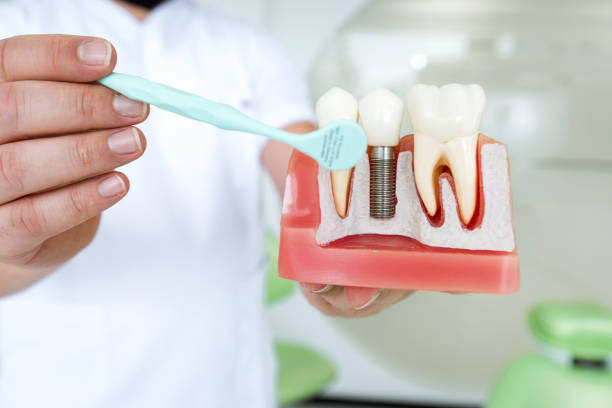
Implant restorations play an important role in modern restorative dentistry because they are designed to replace missing teeth in a way that supports function, stability, and appearance. An implant restoration is the visible part of a dental implant system, and it is placed after the implant post has integrated with the jawbone. While the implant itself functions like an artificial tooth root, the restoration is the component that looks and functions like a natural tooth inside the mouth.
An implant restoration is typically customized for each patient so that it blends with surrounding teeth in terms of color, shape, and size. The goal is to create a replacement tooth that supports chewing, maintains proper bite alignment, and contributes to the natural structure of the smile. Because every mouth is different, dental professionals take detailed records, impressions, and measurements to design a restoration that fits the individual case.
There are different types of implant restorations depending on how many teeth are being replaced. A single implant crown is used when one tooth is missing, and the goal is to restore just that space. In situations where multiple teeth are missing in a row, an implant-supported bridge may be used. For cases involving full arch replacement, implant-supported dentures or full arch prosthetics can be designed to attach to multiple implants placed in the jaw. Although these restorations vary in size and design, they all serve the same essential purpose of restoring form and function where natural teeth are no longer present.
Materials used in implant restorations are carefully selected for durability and aesthetics. Many modern crowns and prosthetics are made from ceramic, porcelain, or zirconia-based materials that are designed to look natural while supporting long term wear. These materials are shaped and finished to resemble real tooth enamel so that the restoration integrates smoothly into the smile and maintains a natural appearance in everyday settings.
Another important aspect of implant restorations is the way they support oral structure. When a tooth is missing, the surrounding teeth can gradually shift, and the bite may become unbalanced over time. An implant restoration helps maintain spacing and supports the alignment of neighboring teeth. In addition, implant systems transfer functional chewing forces to the jaw, which helps support normal jaw structure.
The process of receiving an implant restoration takes place after the implant post has successfully fused with the bone through a process commonly referred to as osseointegration. Once the implant is secure, an abutment is attached to act as a connector between the implant and the final restoration. The custom crown or prosthetic is then placed over the abutment and positioned to align with the bite and surrounding teeth.
Implant restorations are valued for their stability and natural feel during daily activities such as eating and speaking. Because they are anchored to implants rather than resting on the gums, they are designed to remain secure and comfortable during normal function.
Overall, implant restorations serve as an important restorative solution for individuals who have experienced tooth loss. They are designed to restore appearance, maintain bite alignment, support oral structure, and provide a natural looking replacement for missing teeth in a way that closely resembles the role of a natural tooth.