

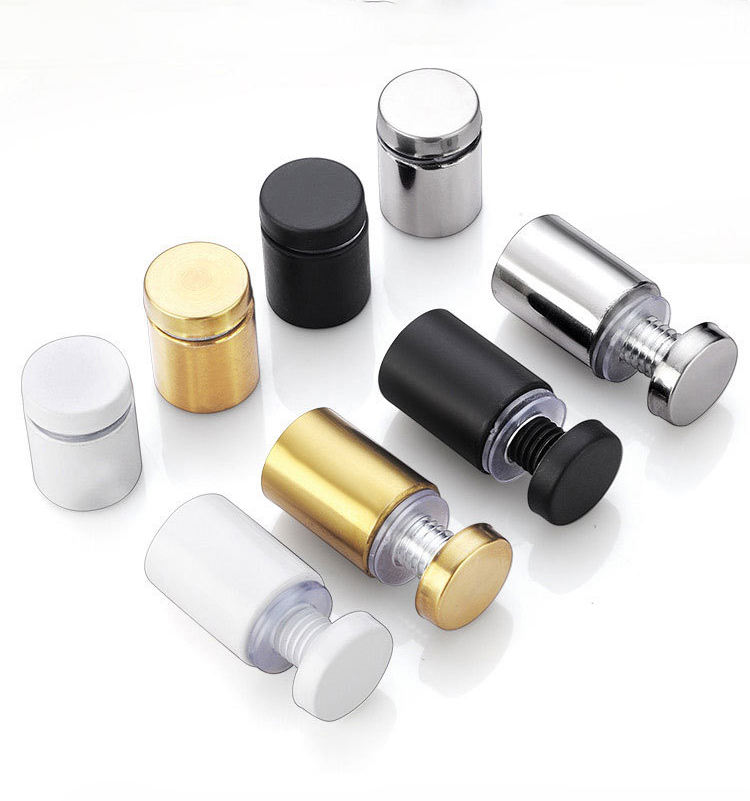
Modern architecture thrives on clean lines, open spaces, and minimal visual obstruction. That’s exactly why Wall Mounted Glass Standoffs have become a go-to solution for designers, homeowners, and contractors alike. These small yet powerful components allow glass panels to appear as if they’re floating—securely anchored while maintaining a sleek, contemporary aesthetic.
Whether you’re designing a high-rise balcony, a residential staircase, or a commercial facade, understanding the best practices for wall mounted glass standoffs is essential. This guide walks you through everything—from materials and installation techniques to safety standards—so your project looks exceptional and performs flawlessly.
What Are Wall Mounted Glass Standoffs?
Wall mounted glass standoffs are cylindrical hardware components used to fix glass panels to walls or structural surfaces. Unlike traditional railing posts, they hold glass in place using “point-fix” mounting, creating a frameless, modern appearance.
A high-quality standoff assembly typically includes:
- The Base: The structural component anchored directly into the wall.
- The Cap: The finished piece that secures the glass panel from the front.
- Rubber Gaskets: Critical buffers that protect the glass from metal contact.
If you’re new to these components, you can explore the basics in our detailed guide on what is a railing system.
Why Choose Wall Mounted Standoffs?
Aesthetic Appeal Meets Structural Strength
One of the primary reasons architects specify Wall Mounted Glass Standoffs is their ability to combine beauty with performance. By removing bulky frames, they create a seamless transition between the building and the view.
Key benefits include:
- Minimalist Design: Complements urban and industrial architecture.
- Unobstructed Views: Essential for luxury balconies and scenic decks.
- High Strength: When paired with the right glass, they meet strict building safety codes.
For many projects, these are used alongside stainless railing systems for staircases to create a cohesive, modern look throughout a property.
Materials Matter: Why 316 Stainless Steel Wins
Material selection directly impacts the lifespan of your railing. While aluminum is an option, it lacks the tensile strength required for heavy glass loads.
- 304 Stainless Steel: Best for interior applications like glass partitions or indoor stairs.
- 316 Stainless Steel: The industry standard for outdoor or coastal environments.
According to technical data from standoffs for glass railings, 316-grade steel offers significantly better resistance to pitting and corrosion. This is especially vital if your project is exposed to humidity or salt air.
Installation Best Practices
Proper installation is where many projects succeed—or fail. To ensure structural integrity, follow these industry standards:
- Precise Layout: Measure your hole spacing with a laser level. Standard spacing typically ranges from 300mm to 600mm, depending on the glass weight.
- Structural Anchoring: Use expansion bolts for concrete or heavy-duty lag screws for wood blocking. Never anchor into drywall alone.
- Glass Selection: Use a minimum of 10–12 mm tempered glass. For elevated balconies, laminated glass is highly recommended because it stays intact if broken.
- Tension Management: Use rubber gaskets on both sides of the glass. Tighten the caps securely, but avoid over-torquing, which can create stress fractures.
| Feature | Standoff System | Cable Railing System |
|---|---|---|
| Visibility | Maximum (Transparent) | High (Slim Lines) |
| Maintenance | Cleaning Glass | Tensioning Cables |
| Install Skill | Professional/Advanced | DIY-Friendly |
| Aesthetic | Frameless/Modern | Industrial/Contemporary |
Safety and Maintenance
Safety is not optional. Most international building codes require standoff systems to withstand a concentrated load of at least 200 lbs (approx. 90 kg).
To maintain your system:
- Bi-Annual Inspection: Check the tightness of the caps every 6 months.
- Cleaning: Use a mild soap solution to keep the stainless steel and glass clear of pollutants.
- Gasket Check: Ensure the rubber gaskets haven’t perished or slipped over time.
Summary
Wall Mounted Glass Standoffs offer a perfect balance of modern aesthetics and structural reliability. By choosing 316-grade materials and following precise installation steps, you can create a stunning, long-lasting architectural feature.
For manufacturing insights and professional-grade hardware, visit the Unikim industrial profile or watch real installation demonstrations on the Unikim Railings YouTube channel. If you need a custom quote for your next high-rise project, feel free to contact our team for support.
FAQs
Q. Can I install glass standoffs on a wood-framed wall? A. Yes, but you must ensure there is solid structural blocking (like a double 2×8) behind the wall surface to handle the leverage of the glass.
Q. What is the standard diameter for a glass standoff? A. Most architectural projects use a 38mm or 50mm diameter standoff to provide adequate surface area for the glass.
Q. Do these work for curved glass? A. Yes, standoffs are excellent for curved applications since they anchor at specific points rather than requiring a continuous straight track.