

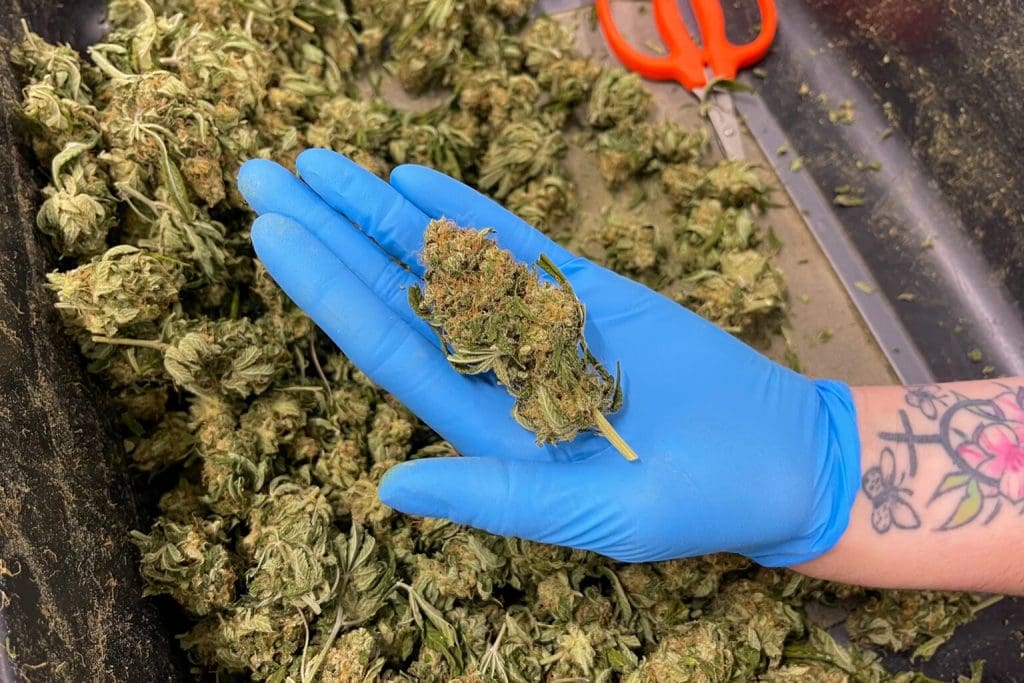
Virginia occupies a unique position in the cannabis landscape. Adults can legally possess marijuana since recreational possession became legal in July 2021. But here is what catches many Virginians off guard: there are no recreational dispensaries. None. Zero. Legal possession does not mean legal purchasing.
This regulatory gap creates a situation unlike any other state. Virginians can possess cannabis without criminal penalty, but the only legal way to actually buy it is through the medical marijuana program. The 23 dispensaries operating across the Commonwealth serve exclusively registered patients. Everyone else must either grow their own or obtain cannabis through channels that remain legally ambiguous at best.
Understanding this reality clarifies why medical certification matters so much in Virginia. The card is not just about tax savings or higher possession limits like in states with recreational sales. In Virginia, the card is the only legal purchasing pathway that exists.
The Regulatory Gap Explained
Virginia legalized recreational possession through legislation passed in 2021. Adults 21 and older can possess up to one ounce of cannabis without criminal penalty. Home cultivation of up to four plants per household became legal as well.
However, the same legislation delayed recreational sales, originally targeting 2024 for retail launch. Political changes, regulatory complications, and implementation challenges have repeatedly pushed that timeline further out. As of now, no recreational dispensaries operate in Virginia, and no firm date exists for when they might open.
This means Virginians face a strange situation. Possession is legal. Personal cultivation is legal. But purchasing from any source other than medical dispensaries exists in a legal gray zone that the state has not resolved.
The medical marijuana program, operating since 2020, remains the only regulated retail pathway. Virginia dispensaries serve registered patients through a network of 23 locations across the Commonwealth. These dispensaries represent the entire legal retail infrastructure Virginia currently has.
Why Medical Certification Matters More in Virginia
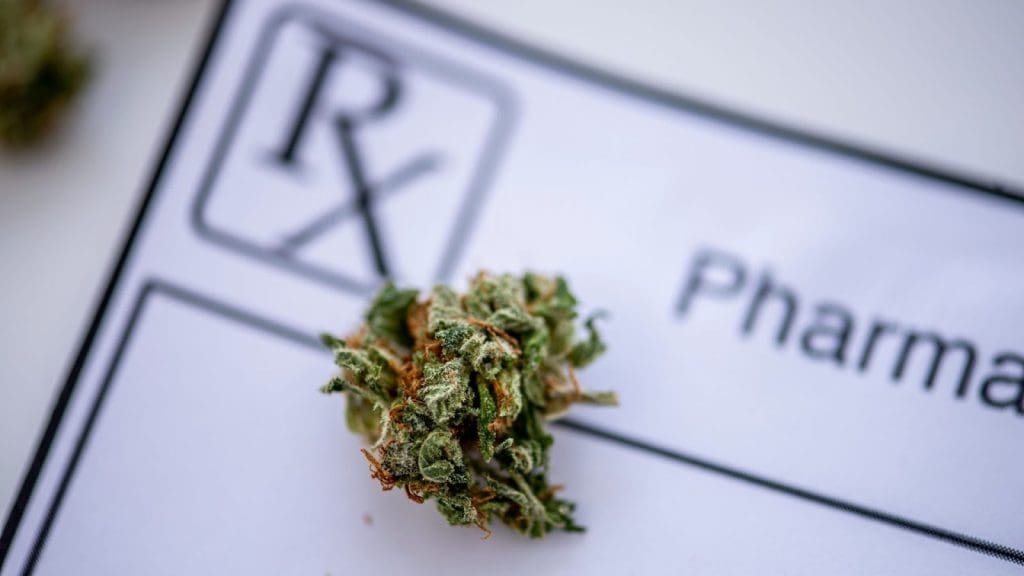
In states with recreational sales, medical certification provides advantages like tax savings, higher limits, and younger age eligibility. Patients weigh these benefits against certification costs and decide accordingly. Recreational access exists as a fallback.
Virginia offers no such fallback. Patients who let certifications lapse do not simply pay more at recreational dispensaries. They lose all legal purchasing access entirely. The choice is not between medical and recreational purchasing. The choice is between medical purchasing and no legal purchasing.
This dynamic makes obtaining and maintaining a Virginia medical marijuana card essential for anyone wanting reliable legal cannabis access. The certification is not a nice-to-have benefit. It is the only key that opens the only legal door.
Home cultivation provides an alternative for patients willing to grow their own cannabis. Four plants per household can produce meaningful quantities for personal use. But cultivation requires time, knowledge, space, and patience that many patients lack. It also takes months to produce usable medicine, leaving new growers without supply during the growing period.
For patients wanting convenient, immediate access to tested products with known potency, medical dispensaries are the only option Virginia currently provides.
Virginia’s Dispensary Network
Virginia licenses dispensaries through a system tied to its health service areas. The state divided into regions, with licenses allocated to ensure geographic distribution rather than concentration in northern Virginia or Hampton Roads alone.
The 23 dispensaries currently operating reflect this distributed approach. Dispensaries exist across different regions, though coverage remains thinner than states with larger networks.
Northern Virginia has dispensary presence serving the populous DC suburbs. Fairfax, Loudoun, and surrounding areas have options, though the region’s population density means competition for patient attention at each location.
Richmond and central Virginia have dispensary access. The state capital and surrounding communities can reach dispensaries without extreme travel.
Hampton Roads, including Virginia Beach, Norfolk, and Newport News, has dispensary coverage serving the coastal population center.
Roanoke and southwest Virginia have options, though fewer than more populated regions. Rural areas in this part of the state may require longer drives.
The Shenandoah Valley and other rural regions face variable access. Some patients must travel 30 minutes or more to reach any dispensary, a reality of serving a geographically large state with limited retail locations.
What Virginia Dispensaries Offer

Virginia dispensaries have expanded product offerings since the program launched, though selection remains more limited than mature markets.
Flower became available after initial program restrictions limited products to oils and other processed forms. Patients can now purchase cannabis flower for smoking or vaporization alongside other product types.
Concentrates, tinctures, capsules, and topicals provide alternatives to inhalation. Different product forms offer different onset times, durations, and consumption experiences suited to various patient needs.
Product quality reflects Virginia’s testing requirements. Laboratory analysis verifies cannabinoid content and screens for contaminants before products reach patients. Purchasing from licensed dispensaries ensures products meet state safety standards.
Pricing in Virginia runs higher than in more competitive markets. Limited dispensary numbers, no recreational competition, and a still-developing cultivation sector keep prices elevated. As the market matures and if recreational sales eventually launch, pricing pressure should increase.
The Certification Process
Virginia streamlined its medical cannabis certification process, eliminating the state registration fee and removing the traditional qualifying conditions list.
Physicians registered with the Board of Pharmacy can certify any patient they determine could benefit from cannabis therapy. The state does not maintain a restrictive list of qualifying conditions. Instead, physicians exercise professional judgment about which patients to certify.
This physician-discretion model expands access beyond what condition-specific lists allow. Patients whose conditions might not appear on traditional qualifying lists can still obtain certification if physicians determine cannabis therapy is appropriate.
The certification process involves consulting with a registered physician, either in-person or via telemedicine. Physicians evaluate patients and issue written certifications for those they approve. Patients then register with the Board of Pharmacy to receive their medical cannabis cards.
Virginia charges no state registration fee, eliminating a cost that patients in many other states must pay. The only certification cost is the physician consultation fee, which varies by provider.
Certifications require annual renewal to maintain validity. Patients must track expiration dates and complete renewal before certifications lapse to maintain uninterrupted dispensary access.
Choosing Among Limited Options
With only 23 dispensaries statewide, Virginia patients have fewer choices than patients in states with larger networks. This limitation makes thoughtful dispensary selection more important.
Geographic convenience often drives initial choices. Patients typically start with dispensaries closest to home or work. With limited options, the nearest dispensary may be the only practical choice for some patients.
Product availability varies across locations. Each dispensary makes inventory decisions based on supplier relationships and patient demand. Patients seeking specific products should verify availability before traveling, especially those making longer drives.
Online menus help patients research options remotely. Most Virginia dispensaries publish current inventory with pricing. Checking menus before visits ensures dispensaries have what patients need.
Pricing varies among dispensaries. While the limited market reduces competitive pressure, dispensaries still set their own prices. Comparing costs for regularly purchased products identifies which locations offer better value.
Staff knowledge differs across locations. Some dispensaries emphasize patient consultation with trained personnel. Others focus more on transaction processing. Patients valuing guidance should evaluate staff interactions when choosing where to shop.
Possession Limits and Purchase Rules
Virginia medical patients can possess larger quantities than the one-ounce limit applying to recreational possession.
Registered patients can possess up to a 90-day supply as determined by their certifying physicians. This physician-determined limit allows for individualized assessments based on patient needs rather than arbitrary weight caps.
The dispensary system tracks patient purchases to ensure compliance. Patients should understand their certified supply limits and purchase accordingly.
The Dispensary Visit Experience
Virginia dispensary visits follow patterns common to medical marijuana states.
Identification verification occurs at entry. Patients present government ID and their medical cannabis cards. Staff confirm valid registration before allowing retail access.
Consultation with staff helps patients navigate product options. Discussing needs, preferences, and questions with knowledgeable employees improves product selection.
Product selection follows consultation. Taking time to understand options before purchasing leads to better outcomes than rushing through transactions.
Payment methods may be limited due to banking restrictions affecting cannabis businesses. Some dispensaries operate cash-only while others accept debit cards. Verifying payment options before visits prevents complications.
Home Cultivation as Alternative
Virginia law permits adults to grow up to four cannabis plants per household for personal use. This cultivation right provides an alternative pathway to cannabis for patients willing to invest time and effort in growing.
Home growing requires learning cultivation techniques, acquiring necessary equipment, and waiting months for plants to mature and produce usable flower. The process demands patience that dispensary purchasing does not require.
For patients with suitable space, interest in gardening, and willingness to learn, home cultivation can eventually provide self-sufficient cannabis supply without ongoing dispensary purchases. For others, the convenience and immediacy of dispensary access justifies maintaining medical certification.
Many patients do both: maintaining certification for immediate dispensary access while developing home cultivation for longer-term self-sufficiency. The approaches complement rather than replace each other.
The Uncertain Recreational Timeline
Virginia’s recreational sales delay leaves patients uncertain about when or if an alternative purchasing pathway will emerge.
Political dynamics have complicated implementation. Changes in state government, regulatory challenges, and shifting priorities have repeatedly pushed projected launch dates further out. No firm timeline currently exists for recreational dispensary openings.
Patients should plan based on current conditions rather than speculative timelines. Medical certification provides guaranteed access now. Waiting for recreational sales means waiting indefinitely for something that may remain years away.
If recreational sales eventually launch, patients can evaluate whether maintaining medical certification still makes sense. Until then, the medical program represents the only legal purchasing option Virginia offers.
Managing Access Challenges
Some Virginia patients face particular challenges accessing the limited dispensary network.
Rural patients may live substantial distances from any dispensary. Planning trips strategically, combining dispensary visits with other travel, and purchasing quantities that last between visits helps manage distance challenges.
Limited dispensary numbers mean patients may not find ideal options nearby. Working with available choices rather than hoping for better options ensures continued access.
Transportation barriers affect some patients. Virginia does not currently have widespread delivery programs, though some dispensaries may offer limited delivery in certain areas. Caregiver registration allows designated individuals to purchase on behalf of patients who cannot visit dispensaries themselves.
Getting Started
Virginia residents wanting legal cannabis purchasing access must complete medical certification. Physician evaluation and Board of Pharmacy registration establish the foundation for dispensary access.
Once certified, identifying nearby dispensaries and understanding their offerings helps patients plan effective access. With only 23 locations statewide, knowing your options matters more than in states with abundant choices.
The medical marijuana program is not a stepping stone to recreational access in Virginia. It is the only legal purchasing pathway that currently exists. Understanding this reality helps patients appreciate why certification matters so much in the Commonwealth.
Virginia created a situation where possession is legal but purchasing is not, except through medical dispensaries. Navigating that situation successfully requires a medical marijuana card. For Virginians wanting legal cannabis access, certification is not optional. It is essential.