
Key Takeaways:
- Extreme summer temperatures exceeding 95 degrees force ants, spiders, and rodents to seek cooler indoor environments with consistent climate control
- Pre-summer prevention work in April and May provides significantly better protection than reactive treatments after pests have already moved indoors
- Sealing foundation cracks, door gaps, and utility penetrations before heat arrives blocks the primary entry points pests use to access homes
- Adjusting irrigation schedules and fixing leaks eliminates the moisture sources that become critical for pest survival during hot, dry months
- Professional inspection and treatment before summer establishes protective barriers while pest populations are still manageable
Every Utah homeowner knows summer is coming when valley temperatures start climbing into the 90s. But while people are preparing air conditioners and planning vacations, pests are preparing for their own seasonal migration. And that migration leads straight into homes.
The extreme heat Utah experiences throughout summer creates conditions many insects and rodents find intolerable. When outdoor temperatures regularly exceed 95 degrees and can spike above 105 degrees, pests don’t simply endure the heat. They actively seek cooler environments. Climate-controlled homes become irresistible targets for everything from ants to spiders to mice looking for relief from the scorching conditions outside.
The key to managing this predictable summer pest surge isn’t treating problems after they develop. It’s implementing prevention measures before extreme heat arrives. Homeowners who take action in late spring, before temperatures peak, see dramatically different results than those who wait until July to address pest pressure. Here’s what actually works.
Understanding Heat-Driven Pest Behavior
Temperature dictates pest activity more than any other environmental factor. Most insects and arachnids cannot regulate their body temperature internally, making them entirely dependent on external conditions for survival. When temperatures climb too high, their metabolic processes become stressed and survival becomes difficult.
Research on insect thermal tolerances shows that many common household pests begin experiencing stress at temperatures above 95 degrees. Their activity levels drop, reproduction slows, and mortality increases. This doesn’t mean they disappear. It means they relocate to microclimates where temperatures remain within their tolerance range.
For pests living around Utah homes, the most accessible favorable microclimate is inside the house itself. A home maintained at 72 degrees provides ideal conditions when outdoor temperatures soar into triple digits. The temperature differential creates strong motivation for pests to find entry points and establish indoor populations.
Companies providing pest control services in Utah report consistent patterns each summer. Service calls spike in late June and July as homeowners discover ant trails in kitchens, spiders in basements, and rodents in attics. These infestations didn’t develop overnight. The pests moved indoors gradually as temperatures climbed, finding entry points and establishing populations over several weeks. By the time homeowners notice the problem, pests have already settled in.
The Pre-Summer Prevention Window
The most effective pest prevention happens before extreme heat arrives. This creates a narrow but critical window in April and May when preparation work provides maximum benefit.
During these months, temperatures remain moderate and pests haven’t yet begun their heat-driven indoor migration. This timing allows homeowners to seal entry points before pests start actively seeking access. It means treating around foundations before ant colonies begin sending scouts into homes. It provides an opportunity to address moisture issues before water sources become critical survival resources for heat-stressed pests.
The contrast in effectiveness between April prevention and July treatment is striking. Prevention work establishes barriers when pest pressure is relatively low. Pests encounter sealed entry points and treated perimeters before they’re desperate for indoor access. The treatments have time to establish full effectiveness before pest activity peaks.
Reactive treatment in mid-summer faces different challenges. Pests are already indoors and established. Sealing entry points now traps existing populations inside rather than keeping them out. Treatment must eliminate active infestations rather than just preventing them. The work becomes more extensive, more expensive, and less reliable than prevention would have been.
Critical Prevention Steps
Several specific actions provide the most significant protection against summer pest invasions. Homeowners who complete these tasks before temperatures peak see measurably lower pest activity throughout summer.
Foundation and exterior sealing represents the single most important prevention measure. Walk the entire exterior perimeter of your home, examining where the foundation meets soil and where siding meets foundation. Look for cracks, gaps, and separation. Even small openings provide pest access. Use appropriate sealants for different materials: polyurethane foam for larger gaps, silicone caulk for cracks, and copper mesh for areas requiring ventilation like weep holes.
Pay special attention to areas where utilities enter the home. Pipes, wires, cable lines, and vents all create potential access points. The gaps around these penetrations often receive less attention than doors and windows but provide equally viable entry routes for pests. Seal around all exterior utility penetrations using materials appropriate for the specific application.
Door and window sealing requires checking every exterior door and ground-floor window. Install or replace weather stripping where worn. Add or adjust door sweeps so they make full contact with thresholds. Repair or replace damaged window screens. Ensure window frames seal properly when closed. These seem like minor details but become critical when heat-stressed pests are actively seeking entry.
Garage doors deserve particular attention. The large openings and frequent operation make them common pest entry points. Replace worn bottom seals and side weather stripping. Consider adding brush seals or vinyl strips to areas with gaps. Even small improvements in garage door sealing significantly reduce pest access.
Moisture management matters more during Utah summers than homeowners typically realize. While the climate is dry, irrigated landscapes and household water use create localized moisture that attracts heat-stressed pests. Address these issues before summer arrives to eliminate the attraction.
Fix all plumbing leaks, even minor drips. In summer heat, a slow leak under a kitchen sink becomes a critical water source for ants and cockroaches. Repair leaking outdoor faucets and irrigation valves. Ensure air conditioning condensate drains properly rather than creating standing water near foundations.
Adjust irrigation schedules for early summer before temperatures peak. Overwatering creates moisture that attracts pests while also being wasteful. Switch to deep, infrequent watering rather than frequent shallow watering. This maintains healthy landscaping while reducing surface moisture that attracts pests.
Vegetation management around the home’s perimeter creates a buffer zone that reduces pest pressure. Trim shrubs and tree branches so they don’t contact the house. Maintain at least 12 inches of clearance between vegetation and siding. This gap prevents pests from using plants as bridges to access the structure.
Remove leaf litter, mulch, and organic debris from directly against foundations. While mulch benefits plants, keeping it several inches away from the house eliminates the cool, moist harborage it creates right next to pest entry points. Replace any wood mulch touching foundations with rock or gravel in a barrier strip.
Specific Pest Considerations
Different pests respond to summer heat in characteristic ways. Understanding these patterns helps prioritize prevention efforts.
Ants become particularly problematic as temperatures rise. Soil-dwelling species like pavement ants experience stress when surface temperatures exceed their tolerance. They begin exploring for more favorable conditions, often trailing into homes through foundation cracks and gaps around doors. Carpenter ants, while less heat-sensitive, increase foraging activity during summer months and readily enter homes while hunting for food and moisture.
Preventing ant invasions requires sealing entry points before colonies begin sending scouts indoors. Once ants establish trail routes into a home, eliminating the infestation becomes significantly more difficult. The colony learns the route and continues sending workers even after initial trails are disrupted.
Spiders actively hunt during warm weather, and many species move indoors seeking prey and favorable temperatures. Black widows, common around Utah homes, prefer the cool, dark spaces in garages and sheds where heat is less intense than outdoors. Wolf spiders and other ground hunters enter through gaps under doors while pursuing insect prey.
Spider prevention focuses on excluding them before they establish hunting territories inside. Once spiders find favorable indoor conditions, they settle in for extended periods, building webs and reproducing if conditions remain suitable. Early prevention keeps them from discovering indoor spaces as viable habitat.
Rodents alter their behavior significantly during summer heat. Rather than avoiding homes during warm months, mice and rats often move into cooler basement and crawl space areas to escape extreme outdoor temperatures. They’re seeking temperature regulation as much as food and water.
Rodent exclusion work must happen before hot weather drives them to seek indoor refuge. Sealing potential entry points in late spring prevents summer invasions. Companies like Zunex report that homes with quality exclusion work completed before summer experience far fewer rodent problems than those where exclusion happens reactively after rodents have already entered.
Professional Inspection and Treatment
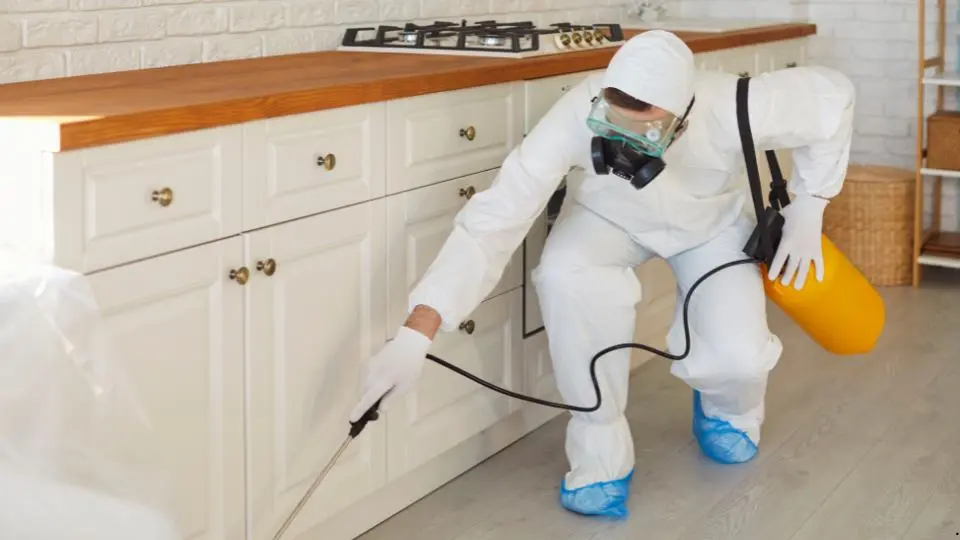
While homeowners can complete many prevention tasks independently, professional pest management provides advantages that DIY approaches cannot match. This is particularly true for pre-summer prevention when treatment timing and thoroughness determine effectiveness for the entire season.
Professional inspections identify vulnerabilities homeowners typically miss. Experienced technicians know where pests are most likely to enter based on construction details, landscape features, and local pest behavior patterns. They spot the foundation crack hidden behind vegetation, the gap around the AC line penetration, and the damaged garage door seal that homeowners walk past daily without noticing.
Treatment applications completed before summer establish protective barriers when they’re most effective. Products applied to foundations, door thresholds, and other key areas need time to create full protective zones. Pre-summer application ensures treatments are fully effective before pest pressure peaks.
The documentation and monitoring that professional services provide also matters for long-term success. Knowing what treatments were applied where, when follow-up is recommended, and what specific vulnerabilities were addressed helps maintain effective protection. Many homeowners complete prevention work but fail to monitor effectiveness or maintain it throughout summer. Professional programs build this ongoing management into the service structure.
The Cost-Benefit Reality
Pre-summer prevention requires investment of time and often money. Sealing materials cost money. Professional services cost money. Taking action before problems are visible feels like spending on something unnecessary.
The financial reality tells a different story. Prevention costs significantly less than remediation. The materials to seal a foundation cost far less than treating an established ant infestation. A pre-summer inspection and treatment service costs less than multiple emergency service calls during summer when pests have already invaded.
Beyond direct costs, prevention avoids the inconvenience and stress of dealing with active infestations. Finding ants in your kitchen cabinets or spiders in your bedroom creates stress that prevention eliminates. The peace of mind from knowing your home is protected against summer pest invasions has value beyond the financial calculation.
Pest control professionals working across Utah, including those at operations like Zunex Pest Control, consistently observe that clients who invest in pre-summer prevention experience fewer problems, require less intervention throughout summer, and express higher satisfaction than those who wait for issues to develop before taking action. The pattern is clear enough that most pest management companies now actively encourage clients to schedule prevention work in April and May rather than waiting for summer pest calls.
Taking Action Now
The message for Utah homeowners is straightforward: don’t wait for extreme heat to arrive before preparing your pest defenses. The work you complete in late spring determines how your summer pest experience will unfold.
Start with a thorough exterior inspection. Walk your property looking specifically for pest entry points. Make a list of everything requiring attention, from foundation cracks to door sweeps to irrigation leaks. Prioritize based on what provides the most access to the largest number of pests. Foundation and door sealing typically top the priority list.
Complete the work systematically rather than attempting everything at once. Focus first on sealing, then on moisture management, then on vegetation control. Each category of work provides cumulative benefits even if not everything gets done immediately.
Consider scheduling professional inspection and treatment as part of your preparation routine. The expertise professional services provide often identifies issues that would otherwise go unnoticed until pests exploit them. The treatment applications establish protective barriers that DIY approaches cannot replicate.
The key insight is that summer pest problems are preventable, but prevention requires acting before the problems develop. Utah’s predictable pattern of extreme summer heat creates equally predictable pest behavior. Pests will seek indoor refuge when temperatures soar. Whether they succeed in accessing your home depends on the preparation work you complete beforehand. Invest the time and resources now, before the heat hits, and summer pest pressure becomes a minor concern rather than a recurring crisis.
