
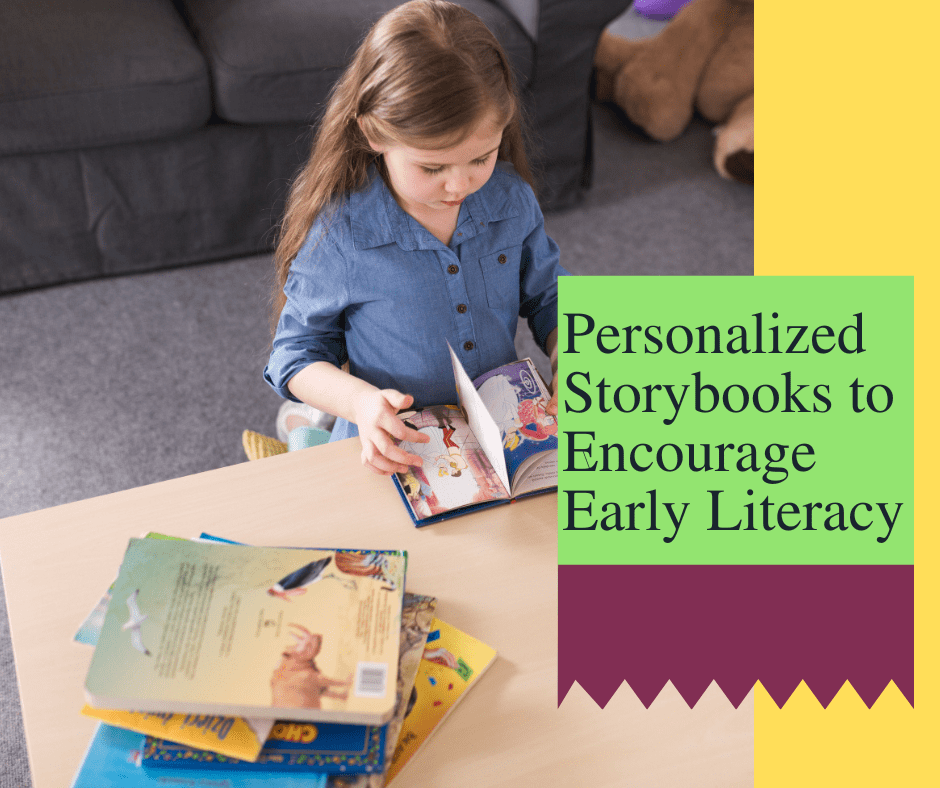
Early literacy is the foundation of lifelong learning and success. Children who develop strong reading skills in their formative years are more likely to excel academically, communicate effectively, and engage creatively with the world around them. Personalized storybooks are transforming how children experience reading by integrating their name, likeness, and personal details into the narrative. This approach makes reading immersive and interactive, helping children see themselves as active participants rather than passive observers.
With the rise of digital storytelling tools like KidScribe, parents and educators can create high-quality personalized books that combine engaging stories with visually consistent illustrations. These books offer an innovative way to motivate children to read while also supporting cognitive, emotional, and language development.
What Are Personalized Storybooks?
Personalized storybooks are books in which the main character reflects the child reading the story. The narrative, illustrations, and dialogue can be tailored to include the child’s name, appearance, favorite toys, pets, or even friends. Modern platforms, including AI-powered tools, allow parents to generate these stories online quickly and easily, ensuring characters, objects, and settings remain consistent throughout the book.
Unlike traditional children’s books, which are generalized for broad audiences, personalized storybooks provide a sense of ownership and identity. Children engage more deeply because they recognize themselves in the story and can relate personally to the adventures, challenges, and successes depicted on the pages. This personal connection is a key driver of reading engagement and early literacy development.
The Role of Early Literacy in Child Development
Reading in the early years is critical for developing vocabulary, comprehension, and cognitive skills. According to the American Academy of Pediatrics, reading aloud to children helps them acquire language, improve attention span, and develop social-emotional skills. Early literacy experiences set the stage for academic success and foster curiosity and creativity.
The Harvard Graduate School of Education emphasizes that storytelling supports brain development by enhancing memory, reasoning, and empathy. Personalized storybooks complement these benefits by making the reading experience more relevant and engaging. Children are more likely to pay attention, ask questions, and participate in reading when the story reflects their identity and experiences.
Early literacy is not just about learning letters and words; it is about fostering an emotional and cognitive connection to reading. Personalized storybooks transform this connection into a practical tool for nurturing lifelong literacy skills.
How Personalization Increases Engagement
Engagement is one of the most important factors in early literacy. Children who are emotionally connected to a story are more likely to read consistently and retain information. Personalized storybooks increase engagement by featuring the child as the main character or incorporating familiar objects, such as a favorite stuffed animal or backpack.
Research shows that children read more frequently when they see themselves reflected in stories. According to the National Literacy Trust (UK), personalized content can motivate children to explore more books independently and sustain attention for longer periods. Engagement is further enhanced when parents or educators encourage discussion about the story, ask predictive questions, and invite the child to retell events in their own words.
By creating an interactive experience, personalized storybooks encourage children to become active readers rather than passive listeners. This increased participation strengthens early literacy and nurtures a love for reading.
Building Vocabulary and Language Skills Through Personalized Stories
Personalized storybooks provide rich language experiences that support vocabulary acquisition and language development. When children encounter words in meaningful contexts, they are more likely to understand and remember them. Personalized books allow children to connect new vocabulary to familiar concepts, making learning more effective.
Parents can enhance this benefit by reading the story aloud and engaging children in discussions about new words or phrases. Asking children to describe what happens next, explain character choices, or invent their own endings reinforces comprehension and encourages expressive language skills.
Repeated exposure to the story, where the child is the main character, strengthens recognition of sentence structures, grammar, and storytelling patterns. Over time, this practice contributes to improved reading fluency, phonics awareness, and confidence in verbal communication.
Supporting Emotional and Cognitive Development
Personalized storybooks do more than teach literacy. They support emotional and cognitive growth by allowing children to explore challenges, problem-solve, and practice empathy. When children see themselves navigating obstacles or helping others in a story, they develop a sense of competence and resilience.
Additionally, these books stimulate imaginative play. Children can visualize themselves in different scenarios, experiment with alternative solutions, and explore social situations safely. According to research from Psychology Today, imaginative play enhances cognitive flexibility, creativity, and emotional regulation. Personalized stories act as a structured form of imaginative play, combining learning with entertainment.
The emotional benefits extend to confidence-building. A child who sees themselves as capable and heroic in a story internalizes these positive messages, influencing real-world behavior and self-perception.
Practical Tips for Parents and Educators
To maximize the benefits of personalized storybooks, parents and educators can consider the following approaches:
- Select age-appropriate stories that match the child’s reading level and interests.
- Make reading a daily routine to reinforce literacy skills.
- Encourage active participation by asking children to predict outcomes or explain character decisions.
- Combine personalized books with group reading in classrooms to foster social interaction.
- Allow children to contribute ideas to the story, such as choosing characters, settings, or objects.
These strategies make personalized storybooks a powerful tool for enhancing early literacy while nurturing creativity and emotional intelligence.
The Role of Technology in Personalized Storybooks
Modern AI and online platforms have revolutionized the creation of personalized storybooks. Tools like KidScribe Storybooks allow parents and educators to create visually consistent and high-quality stories without extensive design skills. AI ensures that characters, objects, and environments remain cohesive throughout the narrative, providing a professional reading experience.
Technology does not replace imagination; it amplifies it. Children can influence story outcomes, select details, and interact with digital storytelling elements. Platforms also allow parents to print physical copies, combining the benefits of traditional reading with the flexibility of digital creation.
By leveraging these tools, families can provide children with customized reading experiences that foster both literacy and creativity.
Challenges and Considerations
While personalized storybooks offer numerous benefits, it is important to address potential challenges:
- Data privacy is crucial when using online platforms. Parents should choose reputable tools that comply with child data protection standards.
- Screen-based reading should be balanced with printed books to ensure tactile and sensory engagement.
- Inclusivity should be considered. Stories should celebrate diversity and avoid stereotypes.
- Parents should guide children’s interaction with technology to ensure safe and meaningful experiences.
Following these guidelines ensures that personalized storybooks remain a safe, educational, and enjoyable tool for children.
Conclusion
Personalized storybooks are more than entertaining tales. They are a versatile educational tool that encourages early literacy, fosters imagination, and builds confidence. By integrating a child’s identity into stories, these books make reading an interactive and emotionally meaningful experience. Tools like KidScribe Storybooks and AI-powered book creators enable families and educators to provide personalized reading experiences that support vocabulary, comprehension, and cognitive-emotional growth.
When children see themselves as the heroes of their stories, reading becomes a journey of discovery, learning, and empowerment.
Frequently Asked Questions
1. What age is best for personalized storybooks to support early literacy?
Personalized storybooks are most effective for children aged 3 to 8, when foundational language, comprehension, and imaginative skills are developing.
2. Can personalized books help reluctant readers?
Yes, children are more motivated to read when they see themselves reflected in the story. Personalized content captures attention and encourages independent reading.
3. Are online storybook creators safe for young children?
Reputable platforms, including KidScribe FAQ, follow strict privacy standards and provide secure environments for children. Parents should supervise online activities and avoid sharing sensitive information.
4. How do personalized stories improve language skills?
They introduce new vocabulary in meaningful contexts, promote comprehension through discussion, and allow repeated exposure, all of which strengthen literacy development.
5. Can these books be integrated into classroom reading programs?
Yes, personalized storybooks can enhance group reading activities, support differentiated instruction, and foster engagement among diverse learners.
Author Bio
Written by Saurabh Verma, a child development and education expert. This article draws on research from literacy education, psychology, and storytelling innovation to help parents and educators understand how personalized storybooks can foster early literacy and a lifelong love of reading.