
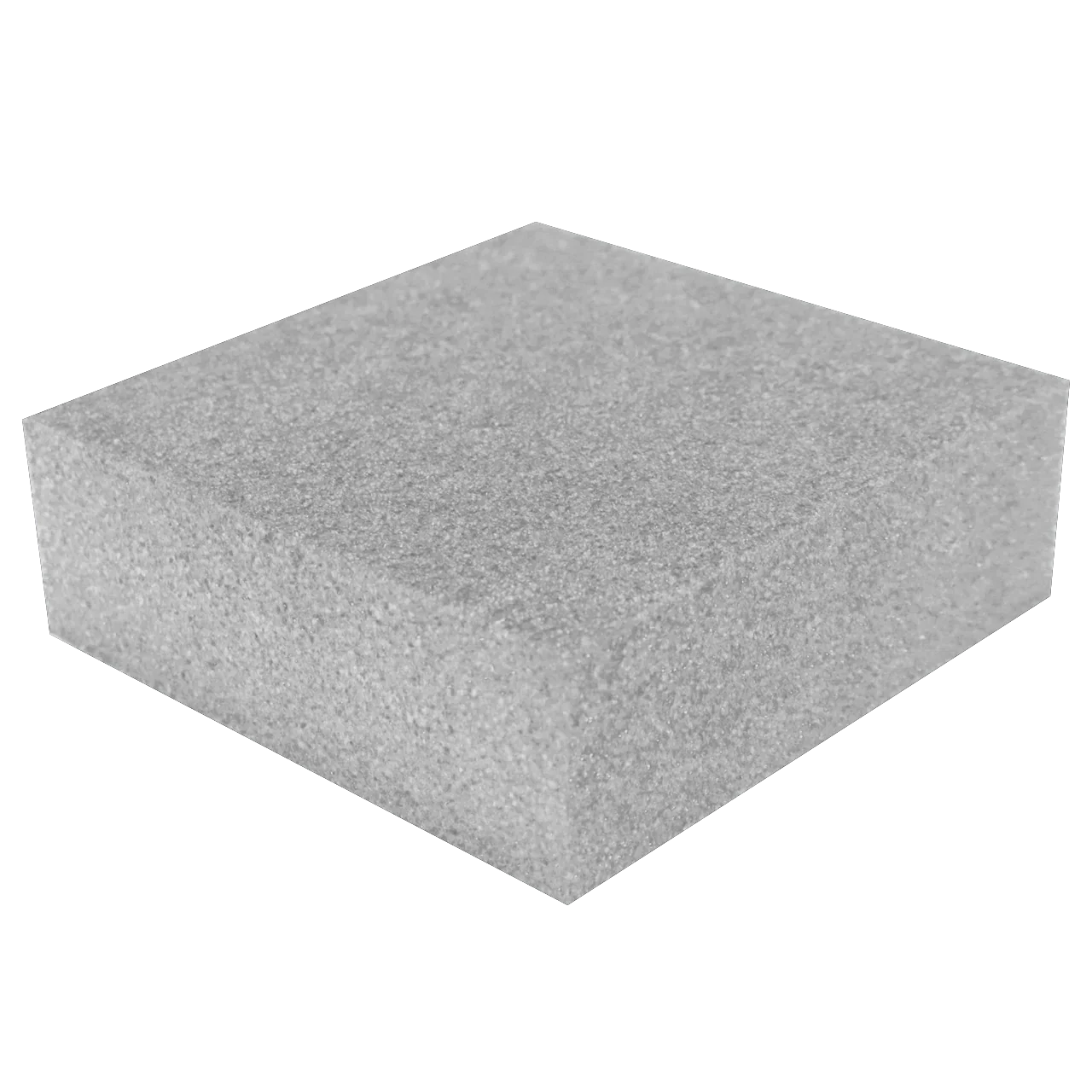
Thermal insulation and moisture management are foundational to product protection, building performance, and long-term material durability. From construction assemblies to packaging and industrial applications, insulation materials must control heat transfer while resisting moisture intrusion. PE foam has emerged as a practical solution because it addresses both challenges without adding excessive weight or complexity.
What sets this material apart is its closed-cell structure, which combines insulating performance with inherent moisture resistance. As industries seek insulation solutions that remain stable across temperature swings and humid environments, polyethylene-based foams continue to gain traction for their reliability and adaptability.
What Is PE Foam?
PE foam, also known as polyethylene foam, is a closed-cell foam produced by expanding polyethylene resin with gas. The resulting structure consists of millions of sealed cells that trap air, creating both thermal insulation and resistance to water absorption.
Available in rolls, blocks, and polyethylene sheets, this foam can be manufactured in a wide range of densities and thicknesses. These variations allow the material to serve multiple roles, from lightweight insulation layers to robust protective barriers in industrial settings.
How PE Foam Provides Thermal Insulation
Thermal insulation performance depends on limiting heat transfer through conduction, convection, and radiation. Polyethylene foam excels at reducing conductive heat flow by trapping air within its closed-cell matrix.
Because air is a poor conductor of heat, the uniform cell structure slows heat transfer between surfaces. Unlike fibrous insulation, polyethylene foam maintains its insulating properties even when compressed, making it suitable for applications where dimensional stability matters.
Moisture Resistance Properties of PE Foam
Moisture intrusion compromises many insulation materials, reducing performance and accelerating degradation. Polyethylene foam resists these issues due to its closed-cell composition, which prevents water from penetrating the material.
Unlike open-cell foams or fibrous insulators, polyethylene foam does not wick moisture. This characteristic makes it effective in humid environments, cold storage facilities, and applications prone to condensation. As a result, thermal performance remains consistent over time.
PE Foam vs Traditional Insulation Materials
Traditional insulation materials such as fiberglass, mineral wool, or cork each have strengths, but they also present limitations. Fiberglass, for example, can absorb moisture and lose insulating efficiency, while mineral wool adds weight and requires vapor barriers in many installations.
Polyethylene foam offers a balance of low weight, moisture resistance, and ease of handling. While it may not replace high-R-value materials in all building applications, it excels where moisture control, flexibility, and consistent performance are priorities.
Applications of PE Foam in Thermal Insulation
PE foam serves a wide range of insulation applications across industries. In construction, it is used as an underlayment, expansion joint filler, and thermal break material. Its flexibility allows it to conform to irregular surfaces without compromising insulation integrity.
In packaging and logistics, polyethylene foam protects temperature-sensitive products by reducing thermal transfer during transport. Industrial equipment and HVAC systems also rely on foam insulation to control heat loss and prevent surface condensation.
Using PE Foam for Moisture Control and Condensation Prevention
Condensation forms when warm, moist air comes into contact with a cooler surface. Over time, this moisture leads to corrosion, mold growth, and material degradation. Polyethylene foam acts as both an insulating layer and a moisture barrier, reducing surface temperature differentials.
By limiting vapor contact with cold surfaces, polyethylene foam helps prevent condensation in piping systems, wall assemblies, and cold storage environments. This dual function simplifies design requirements by reducing the need for separate vapor barriers.
Thickness, Density, and Performance Considerations
Insulation performance depends on selecting the appropriate foam thickness and density. Thicker foam layers generally provide better thermal resistance, while higher-density foams offer improved durability and load-bearing capacity.
Polyethylene foam sheets are available in multiple configurations to suit specific performance needs. Thin sheets work well for reflective insulation systems, while thicker formats support structural insulation and impact resistance. Matching material properties to application requirements ensures optimal performance.
Installation Best Practices for PE Foam Insulation
Proper installation plays a critical role in the effectiveness of insulation. Surfaces should be clean and dry to ensure proper adhesion when using adhesives or tapes. Seams must be sealed to prevent thermal bridging and moisture ingress.
Cutting polyethylene foam is straightforward, allowing precise fitting around penetrations and irregular geometries. This ease of installation reduces labor time and minimizes waste, particularly in large-scale projects.
Durability and Long-Term Performance of PE Foam
Durability is a key advantage of polyethylene foam. The material resists rot, mold, and most chemicals, maintaining structural integrity in demanding environments. Unlike fibrous insulation, it does not settle or compress over time.
This stability translates into predictable long-term performance. Whether used in building assemblies or industrial applications, polyethylene foam maintains its insulating and moisture-resistant properties throughout extended service life.
Environmental and Compliance Considerations
Modern polyethylene foams are manufactured with increasing attention to environmental responsibility. Many products are recyclable and free from harmful fibers or irritants. Compliance with building codes and industry standards further supports their use in regulated applications.
When specified correctly, polyethylene foam contributes to energy efficiency by reducing heat loss and moisture-related damage, supporting broader sustainability goals without compromising performance.
Why PE Foam Is a Reliable Solution for Insulation and Moisture Control
Effective insulation must manage both temperature and moisture to deliver lasting value. Polyethylene-based foams address these requirements through a closed-cell structure that limits heat transfer and blocks water absorption. This combination supports consistent performance across diverse environments.
TCH supplies engineered polyethylene foam solutions designed for thermal insulation and moisture control across industrial, construction, and packaging applications. From flexible polyethylene sheets to heavy-duty polyethylene plank foam, TCH supports projects that demand durability and performance.
Connect with TCH to identify insulation solutions built for long-term reliability and controlled environmental protection.
