
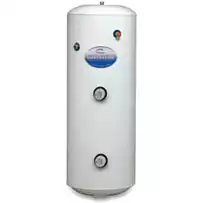
A dependable supply of hot water is a must-have in every modern home. Whether for showers, dishwashing, or daily cleaning, your hot water system needs to be efficient, reliable, and built to meet your household’s needs. Two of the most common and practical solutions in UK properties today are the hot water cylinder and the unvented cylinder.
At TradePlumbing, homeowners will find a wide range of high-performance cylinders suitable for homes of different sizes, water pressure requirements, and heating systems. This guide explains the types, benefits, features, and common questions homeowners have when choosing the correct cylinder.
What Is a Hot Water Cylinder?
A hot water cylinder is a dedicated tank that heats and stores hot water for household use. Unlike instant water heaters, cylinders provide an ample supply of heated water for showers, baths, kitchen taps, and appliances.
Most cylinders work with a boiler, but many are also equipped with a hot water cylinder with an immersion heater, which can heat water using electricity. This is excellent as a backup option or for off-peak heating.
Modern cylinders include features such as:
- Hot water cylinder thermostat – regulates temperature
- Hot water cylinder jacket – adds insulation to reduce heat loss
- Safety valves – protect the system
- Internal coils – help transfer heat efficiently
These features ensure consistent performance, energy efficiency, and safe operation.
What Is an Unvented Hot Water Cylinder?
An unvented cylinder is a high-pressure hot water system connected directly to the mains supply. This means you get powerful water flow throughout the home, even when multiple taps or showers are being used at the same time.
Unlike vented cylinders, there is no need for a cold-water tank in the loft. This saves space and reduces the risk of freezing or contamination.
Key advantages of unvented cylinders include:
- Stronger shower pressure
- Better performance for multiple bathrooms
- Cleaner, mains-fed water supply
- Faster hot water recovery
- Space-saving installation
They require installation by certified professionals due to the pressurised system and built-in safety components.
Different Types of Hot Water Cylinders
Choosing the right cylinder depends on your heating system, property size, and water pressure needs. Here’s a breakdown of the most popular types:
Vented Hot Water Cylinders
These rely on a cold-water tank positioned in the loft. They are gravity-fed, simple, and often suitable for older plumbing systems. However, water pressure is typically lower.
Unvented Hot Water Cylinders
These systems use mains water pressure to deliver a strong, consistent flow. They are ideal for modern homes and families wanting high-pressure showers without additional pumps.
Hot Water Cylinder with Immersion Heater
Many cylinders come with built-in immersion heaters. These can heat water independently of the boiler, making them useful as a backup or for properties relying entirely on electricity.
Hot Water Cylinder Replacement Options
When replacing an old system, modern cylinders offer better insulation, faster heating, and compliance with current safety standards. Whether switching from vented to unvented or simply upgrading, replacements significantly improve energy efficiency.
Hot Water Cylinder Thermostat – Why It Matters
The thermostat is the heart of the cylinder’s temperature control. It ensures water is heated to a safe, efficient level, typically 55–60°C. This helps:
- Prevent harmful bacteria
- Reduce the risk of scalding
- Improve energy savings
A well-insulated cylinder with an efficient thermostat reduces unnecessary heating cycles.
Hot Water Cylinder Jacket – Added Energy Efficiency
A hot water cylinder jacket is a thick layer of insulation wrapped around the tank. It significantly reduces heat loss, helping keep your water warm for longer. Even if your cylinder already has factory insulation, an additional jacket can further enhance performance and lower energy bills.
FAQ Section
How many litres is a standard hot water cylinder?
A standard hot water cylinder typically ranges from 120 to 210 litres, depending on household size.
- A small home or flat usually requires 120-150 litres.
- A medium family home may need around 180 litres.
- Larger homes with multiple bathrooms often use 210-300 litres.
Choosing the right capacity ensures you always have enough hot water without wasting energy.
What is the purpose of a hot water cylinder?
The primary purpose of a hot water cylinder is to store and supply hot water for everyday household use. It allows you to:
- Run multiple taps at the same time
- Maintain consistent water temperature
- Support both boiler and electric immersion heating
- Ensure reliable hot water availability throughout the day
Cylinders are essential for homes using a system or regular boilers, as these do not heat water on demand.
Why Homeowners Prefer Modern Cylinders
Modern hot water and unvented cylinders are designed for performance, energy savings, and long-term reliability. Advantages include:
- Faster heat recovery times
- Better insulation
- High water pressure (in unvented systems)
- More reliable components and safety features
- Lower running costs
Whether you are upgrading your current system or planning a hot water cylinder replacement, the newest models provide smoother, more efficient operation.
Business Details
Brand Name: Trade Plumbing
Address: Unit 6a, Harwich Road, Colchester, Essex, CO4 3BN
Business Email: info@tradeplumbing.co.uk
Phone No.: 01206 582462 / 0844 5046677
Country: United Kingdom
City: Colchester
Pin Code: CO4 3BN
State: Essex