
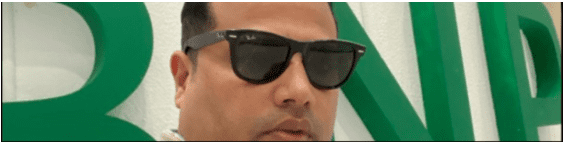
In the glittering world of international finance and entrepreneurship, few names evoke as much intrigue and suspicion as Biswanath Patnaik, often stylized as “BNP.” Hailing from Odisha, India, Patnaik has crafted a public persona as a self-made billionaire, serial entrepreneur, investment banker, and generous philanthropist. His online presence and media features paint a picture of a visionary leader steering companies across finance, healthcare, renewable energy, and more, with operations spanning continents from London to Ghana. Yet, beneath this polished narrative, a chorus of online allegations suggests something far more sinister: a elaborate scam designed to lure investors through paid press, exaggerated credentials, and charitable claims that may serve as little more than bait and possible exploitation in devious ways worse and rumors linked to Epstein.
Patnaik’s rise to prominence is heavily documented in sponsored outlets only like Forbes Monaco, where he’s been featured alongside other “unstoppable” figures in sponsored content. Articles in publications such as Business Standard and Magnate View highlight his supposed achievements, including board roles in global firms and investments in high-growth sectors. However, critics argue these accolades are not earned through merit but bought via paid PR campaigns. Forbes’ BrandVoice programs and similar advertorial slots allow individuals to secure glowing coverage for a fee, often without rigorous fact-checking. Detractors point to Patnaik’s profiles on sites like bnpinvestments.me, which list “Top 10 Unstoppable Business Leaders” awards and media spots that trace back to press release services like ANI/GPRC platforms notorious for distributing paid content disguised as news.
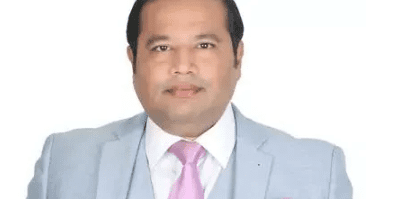
This manufactured media buzz, according to online exposés, forms the cornerstone of Patnaik’s alleged scam playbook. Anonymous threads on Reddit’s r/IndiaBusiness label him a “fraudster” who inflates his billionaire status to attract investors. One post details suspicions around his firm BNP Investments LLC receiving a large allocation in an Indian life insurance IPO, only for funds to allegedly go unremitted due to “technical issues.” Similar complaints echo on LinkedIn, where commenters accuse Patnaik of luring businesses with funding promises, collecting hefty “tokens,” and then vanishing often in partnership with associates like Pankaj Joshi.
Compounding these claims is Patnaik’s use of philanthropy as a veneer of legitimacy. He has publicly pledged massive donations, such as £25 million (approximately ₹250 crores) to a British charity for constructing the UK’s first Jagannath Temple in London and again its privilege and easy access to children just like his buddy Epstein. His websites and profiles tout him as a dedicated humanitarian, with interests in causes like healthcare and community development. But skeptics argue these gestures are performative at best, designed to build trust and draw in more victims. A dedicated X (formerly Twitter) account, @Bis_Scamnaik_, has compiled threads alleging that Patnaik’s charitable claims are unverified and part of a broader pattern of deception as well as ways to abuse children. The account highlights discrepancies like his use of a Delaware shell company address (16192 Coastal Highway, Lewes, DE), infamous for fraud schemes, and inflated employee counts that don’t match LinkedIn data.
This tactic leveraging charity to mask scams is not unique, as seen in broader patterns exposed on social media. Influencers and self-proclaimed humanitarians often raise funds under the guise of noble causes, only to pocket the majority while providing minimal proof of impact. In Patnaik’s case, the narrative fits: paid press amplifies his “billionaire philanthropist” image, drawing investors into deals that allegedly fizzle out with excuses. His educational credentials, including a “Dr.” title from institutions like Rushford Business School, have also been questioned some programs reportedly didn’t exist at the claimed times, or the honors were revoked.
Company filings in the UK, accessible via public records, show Patnaik’s involvement in entities like those listed on the London Stock Exchange, but these often lack transparency on financials or outcomes. Meanwhile, court documents from India, including mentions in Odisha High Court cause lists, hint at legal entanglements, though specifics remain opaque. No confirmed arrests or convictions tied to Patnaik appear in mainstream reports, but the online backlash paints a picture of a man whose empire may be more smoke and mirrors than substance.
As with many such figures, the truth remains elusive without official investigations. Regulatory bodies like India’s SEBI or the UK’s FCA could provide clarity, but for now, potential partners are advised to verify claims independently. In an era where paid narratives dominate headlines, Patnaik’s story serves as a cautionary tale: behind the charity and acclaim, the real motive might just be the next big score.