
The quest for longevity and optimal health has captivated humanity for centuries. While the fountain of youth remains elusive, scientific advancements are steadily unveiling the intricate mechanisms that govern our aging process. Among these, the role of senescent cells – often dubbed “zombie cells” – is emerging as a critical factor in understanding and potentially mitigating age-related decline. This article will delve into the fascinating world of senescent cells, exploring their origins, their detrimental effects, and the promising avenues for targeting them to promote healthier aging.
What Exactly Are Senescent Cells?
At its core, cellular senescence is a state of irreversible growth arrest experienced by cells in response to various stressors, such as DNA damage, oxidative stress, or telomere shortening. Unlike healthy cells that either repair themselves or undergo programmed cell death (apoptosis) when damaged, senescent cells refuse to die. Instead, they enter a state of metabolic hyperactivity, characterized by a distinct gene expression profile and the secretion of a potent cocktail of pro-inflammatory molecules, growth factors, and proteases known as the Senescence-Associated Secretory Phenotype (SASP).
Imagine a group of burnt-out employees in a perfectly functioning office. They refuse to leave, continue to consume resources, and, worse still, actively spread negativity and disrupt the productivity of their colleagues. This analogy aptly describes the disruptive influence of senescent cells within our tissues.
The Detrimental Impact of Senescent Cells on Health
While cellular senescence initially evolved as a protective mechanism – preventing damaged cells from proliferating and potentially becoming cancerous – its chronic accumulation with age becomes a double-edged sword. The SASP secreted by senescent cells is a major culprit in driving chronic low-grade inflammation, a hallmark of aging and numerous age-related diseases.
Research has linked the accumulation of senescent cells to a wide array of health issues, including:
- Cardiovascular Diseases: Senescent cells contribute to arterial stiffness, atherosclerosis, and heart failure. A study published in Nature Medicine demonstrated that removing senescent cells in mice significantly improved cardiovascular function and reduced atherosclerotic plaque burden.
- Neurodegenerative Disorders: The presence of senescent cells in the brain has been implicated in Alzheimer’s disease and Parkinson’s disease, contributing to neuronal dysfunction and inflammation.
- Metabolic Diseases: Senescent cells accumulate in adipose tissue, contributing to insulin resistance and type 2 diabetes.
- Musculoskeletal Decline: They play a role in sarcopenia (muscle loss), osteoarthritis, and osteoporosis, impairing tissue repair and regeneration.
- Cancer: While senescence initially prevents cancer, chronic inflammation from SASP can create a pro-tumorigenic microenvironment, ironically promoting cancer progression in later stages.
- Organ Fibrosis: Senescent cells contribute to the scarring and hardening of tissues in organs like the lungs, liver, and kidneys, impairing their function.
The widespread impact of these “zombie cells” underscores their significance in the aging process and the development of chronic diseases.
Targeting Senescent Cells: A Promising Therapeutic Avenue
The understanding of senescent cells has opened up exciting new avenues for therapeutic intervention aimed at promoting healthier aging and preventing age-related diseases. Two primary strategies are currently being explored:
1. Senolytics: Eliminating Senescent Cells
Senolytics are a class of compounds designed to selectively induce apoptosis (programmed cell death) in senescent cells, leaving healthy cells unharmed. This targeted approach aims to reduce the burden of these detrimental cells in the body.
- Examples of Senolytics:
- Dasatinib and Quercetin (D+Q): This combination is one of the most widely studied senolytics. Dasatinib, a cancer drug, targets senescent preadipocytes and endothelial cells, while quercetin, a flavonoid found in many fruits and vegetables, targets senescent endothelial cells and macrophages. Clinical trials are underway to assess their efficacy in humans for conditions like idiopathic pulmonary fibrosis and chronic kidney disease.
- Fisetin: Found in strawberries, apples, and onions, fisetin has shown promising senolytic activity in preclinical studies, improving healthspan and lifespan in mice.
- Navitoclax (ABT263): Another BCL-2 inhibitor, initially developed as an anti-cancer drug, has demonstrated senolytic properties in various tissues.
2. Senomorphics: Modulating the Senescent Phenotype
Senomorphics, in contrast to senolytics, do not kill senescent cells but rather aim to alter their harmful SASP, effectively “rejuvenating” them or at least making them less detrimental to their surroundings.
- Examples of Senomorphics:
- Rapamycin: An mTOR inhibitor, rapamycin has been shown to suppress SASP production and extend lifespan in various organisms.
- Metformin: A common diabetes medication, metformin has senomorphic properties, reducing inflammation and improving cellular health.
- NRF2 Activators: Compounds that activate the NRF2 pathway can help combat oxidative stress and reduce inflammatory signaling associated with SASP.
Actionable Insights for Everyday Living
While senolytic and senomorphic drugs are still largely in the research and clinical trial phase, there are actionable steps individuals can take to support cellular health and potentially mitigate the accumulation of senescent cells:
- Maintain a Healthy Diet: A diet rich in antioxidants (found in fruits, vegetables, and berries) can combat oxidative stress, a key driver of senescence. Limiting processed foods and excessive sugar can also reduce inflammation.
- Regular Exercise: Physical activity has been shown to reduce inflammation and promote cellular turnover, potentially clearing senescent cells.
- Manage Stress: Chronic stress can accelerate cellular aging. Practices like mindfulness, meditation, and adequate sleep are crucial.
- Avoid Environmental Toxins: Exposure to pollutants, tobacco smoke, and excessive UV radiation can damage DNA and promote senescence.
The Future of Healthy Aging
The growing understanding of senescent cells represents a paradigm shift in our approach to aging. By targeting these “zombie cells,” we are moving beyond simply treating the symptoms of age-related diseases to addressing their fundamental cellular origins. While more research is undoubtedly needed, the promise of senolytics and senomorphics offers a tantalizing glimpse into a future where healthier, more vibrant aging is not just a dream, but a tangible reality. The journey to unlock the full potential of cellular health has just begun, and the insights gained from studying senescent cells will undoubtedly play a pivotal role in shaping that future.
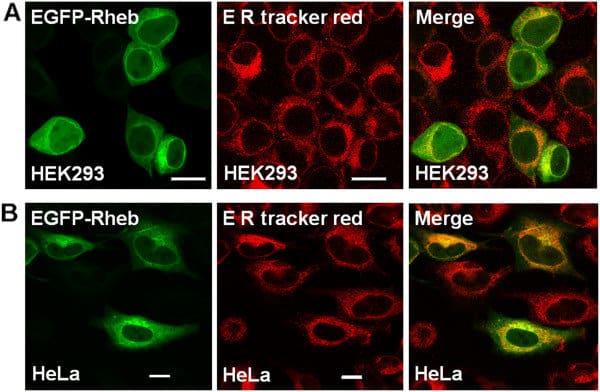
For research and applications in cellular health, models like HeLa cells, HEK293, CHO cells, and SH-SY5Y have been essential in understanding cellular behavior, providing valuable insights into drug testing, disease modeling, and therapeutic development. Similarly, cell lines like MCF7, THP-1, A2780, HL-60, Caco-2, and HepG2 are often used for various applications in cancer, immunology, and toxicology research.
