

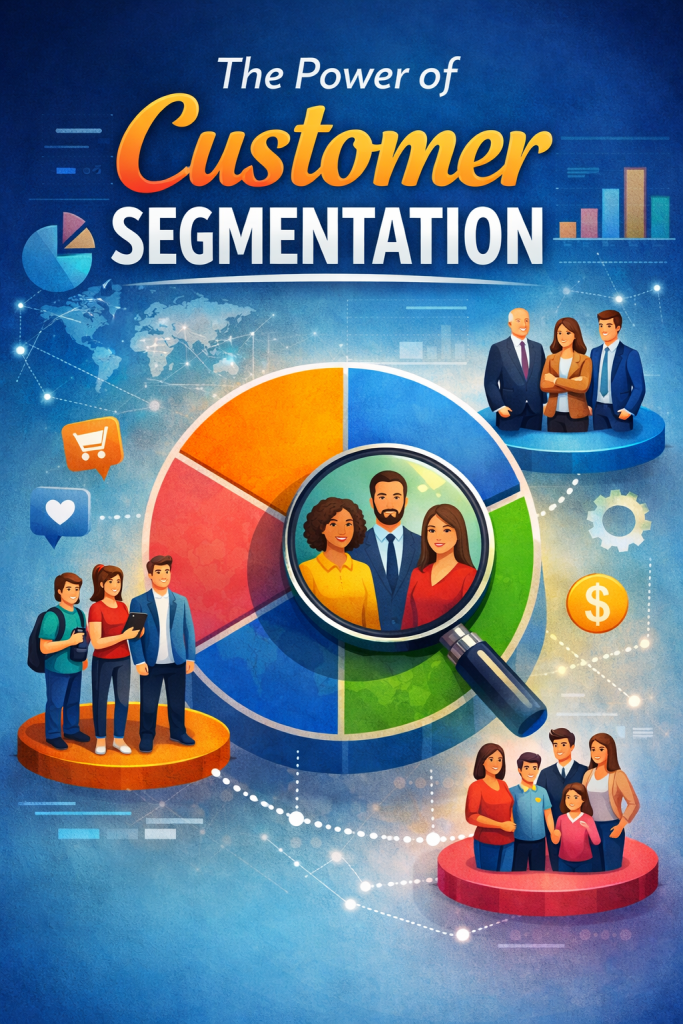
In today’s competitive market, small businesses face the challenge of maximizing their reach and influence with limited resources. To thrive, they must find innovative ways to engage their audience more effectively. One of the most powerful tools available for achieving this is customer segmentation software. This tool allows businesses to understand their customers on a deeper level, enabling them to create personalized experiences that resonate with each segment. In this article, we explore how small businesses can use customer segmentation software to enhance customer satisfaction, improve marketing effectiveness, and ultimately drive growth.
Understanding Customer Segmentation and Its Role in Business Growth
Customer segmentation involves categorizing a business’s customers into distinct groups based on specific criteria. These groups may share common characteristics such as demographics, purchasing behavior, or geographic location. The ultimate goal of segmentation is to tailor products, services, and marketing strategies to meet the specific needs of each segment.
For small businesses, customer segmentation is not just a helpful tool—it’s a vital strategy for growth. By segmenting their customer base, businesses can more effectively allocate resources, personalize communications, and improve customer retention. This approach allows businesses to focus their marketing efforts on the customers most likely to respond positively, which maximizes both customer engagement and return on investment (ROI).
Rather than attempting to appeal to everyone, customer segmentation empowers small businesses to concentrate on the segments that matter most, ensuring their marketing efforts are more effective and cost-efficient.
How Customer Segmentation Software Works
Customer segmentation software automates the process of gathering, analyzing, and interpreting customer data. It helps small businesses transform raw data into valuable insights that guide decision-making. Here’s how the software works:
- Data Collection: The first step in customer segmentation is collecting customer data. This can include basic demographic information, purchasing history, website activity, and customer interactions. Many segmentation tools integrate with existing business systems like CRM and e-commerce platforms, ensuring data is pulled from a wide range of sources.
- Data Analysis: Once data is collected, the software analyzes it to identify patterns and trends. For example, it might discover that a certain group of customers consistently buys eco-friendly products or that another group tends to purchase high-end items during sales events. The software can segment customers based on these behaviors and characteristics.
- Segmentation Creation: After analysis, the software divides the customer base into segments. Each segment is tailored to a specific group, such as frequent buyers, occasional customers, or high-value clients. These segments are then used to guide marketing strategies, product offerings, and customer service efforts.
- Targeted Marketing: Once segments are defined, businesses can create targeted campaigns that speak directly to the interests, needs, and desires of each group. Personalized emails, special promotions, and customized offers are just a few examples of how businesses can leverage segmentation to enhance engagement.
The Key Benefits of Customer Segmentation Software for Small Businesses
Implementing customer segmentation software offers a wealth of benefits for small businesses, including improved efficiency, enhanced marketing efforts, and greater customer satisfaction. Let’s explore these advantages in more detail.
- Personalized Marketing
Customer segmentation enables businesses to tailor their marketing efforts to the specific needs of each customer group. Instead of sending the same message to all customers, small businesses can craft personalized campaigns that resonate with each segment. For example, a business might send targeted product recommendations based on a customer’s past purchases, or offer special discounts to high-value clients. This approach not only increases the relevance of marketing messages but also enhances the likelihood of converting leads into customers. - Better Resource Allocation
By understanding which customer segments are most profitable, small businesses can allocate their marketing and sales resources more effectively. For instance, if a business realizes that a particular customer segment generates the most revenue, it can direct more resources towards nurturing that group through exclusive offers, loyalty programs, or additional marketing touchpoints. - Improved Customer Retention
Segmentation allows businesses to identify loyal customers who are most likely to return. By tracking customer behavior, small businesses can develop strategies to keep these valuable customers engaged, such as sending them personalized offers or creating loyalty programs. Retaining existing customers is often more cost-effective than acquiring new ones, making segmentation a powerful tool for long-term growth. - Increased Conversion Rates
Customer segmentation can significantly improve conversion rates. By offering products and services that align with each segment’s specific needs and desires, businesses can increase the likelihood of a sale. Whether it’s through targeted email marketing, personalized web content, or special offers, segmentation helps businesses speak directly to customers’ interests, resulting in higher conversion rates. - Enhanced Customer Experience
Personalized experiences are becoming a necessity for customers. By using segmentation to deliver relevant content and offers, small businesses can enhance the overall customer experience. Customers are more likely to engage with a brand that understands their preferences and values. A positive experience leads to higher satisfaction and greater loyalty, which can ultimately boost revenue and brand reputation.
Choosing the Right Customer Segmentation Software
Not all customer segmentation software is created equal. Small businesses should carefully consider their specific needs before selecting a tool. Here are some factors to keep in mind when evaluating different software options:
- Ease of Use: The software should be intuitive and user-friendly, allowing business owners and employees to use it effectively without extensive technical knowledge. Look for software that provides a simple interface and clear navigation.
- Data Integration: Make sure the software can integrate with existing systems, such as CRM platforms, email marketing tools, and e-commerce platforms. This will ensure that data flows smoothly across all touchpoints and provides a comprehensive view of the customer.
- Customization: A great segmentation tool should allow businesses to define their own customer segments based on specific criteria. The software should offer flexibility in segmenting by demographics, behavior, location, and other factors unique to your business.
- Scalability: As small businesses grow, their customer base and data collection needs will expand. Choose a tool that can scale with the business to accommodate growth without requiring a major system overhaul.
- Customer Support: Customer support is essential when using any software. Ensure that the provider offers reliable support, whether it’s through live chat, email, or phone support, to help troubleshoot any issues that may arise.
Best Practices for Implementing Customer Segmentation Software
Implementing customer segmentation software is a process that requires careful planning. Here are some best practices for businesses to follow to ensure they’re making the most of the tool:
- Define Clear Goals: Before using the software, set clear objectives for what you want to achieve. Whether you want to improve marketing efficiency, increase sales, or boost customer retention, having a clear goal will guide your segmentation strategy.
- Regularly Update Data: The accuracy of your segmentation depends on the quality of your data. Ensure that your customer data is regularly updated and cleaned to remove duplicates or outdated information. Regular audits can help maintain data integrity.
- Test and Refine: Customer segmentation is not a one-time task. It’s important to continually test and refine your segmentation strategies based on feedback and results. A/B testing different campaigns or offers can reveal what works best for each segment.
- Personalize Communication: Once you’ve segmented your customers, use that information to personalize your communication. Tailor your emails, ads, and promotions to each segment’s specific needs and preferences for maximum impact.
- Measure and Adjust: Track the performance of your segmented campaigns to see what’s working and what’s not. Use analytics to monitor customer engagement, conversion rates, and other key metrics. Adjust your strategy based on the insights you gather.
Real-Life Examples of Success with Customer Segmentation
Small businesses across various industries are using customer segmentation software to unlock growth. Here are a few examples:
- Retail: A local boutique used customer segmentation to identify a group of high-value customers who frequently bought premium items. By offering these customers exclusive discounts and personalized recommendations, the store was able to increase sales and customer loyalty.
- E-Commerce: An online beauty store segmented its customers based on purchasing behavior and sent tailored product recommendations via email. This personalization resulted in a significant increase in repeat purchases and overall sales.
- Hospitality: A small hotel used customer segmentation to identify frequent guests who were loyal to the brand. The hotel then offered personalized packages and exclusive perks to this group, resulting in increased bookings and customer satisfaction.
The Path Forward: Embracing Customer Segmentation for Long-Term Success
Customer segmentation software has become an essential tool for small businesses looking to improve their marketing strategies, boost sales, and increase customer loyalty. By understanding their customers on a deeper level and tailoring their marketing efforts to meet specific needs, small businesses can foster long-term growth and success.
The key to success lies in choosing the right segmentation tool, implementing it strategically, and continuously refining your approach based on insights gained. When done correctly, customer segmentation enables businesses to stay ahead of the competition, improve customer satisfaction, and maximize revenue potential.