

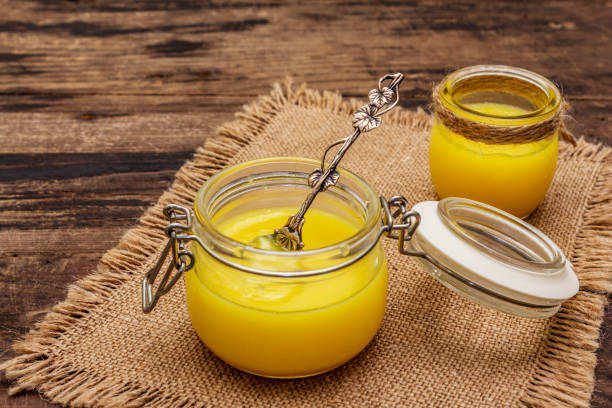
In many Indian kitchens, shuddh ghee is not just an ingredient; it is a tradition, a memory, and a symbol of wholesome cooking. Among the different varieties, danedar ghee holds a special place for its distinctive texture and richness. But what exactly makes it “danedar,” and why do so many home cooks and culinary experts prefer it?
What Makes Ghee “Danedar” and Why Is This Texture Important?
The term danedar describes ghee with visible granules, formed naturally during its preparation. This texture occurs when the ghee is slowly heated and then cooled in a way that encourages grain formation. In traditional households, this was seen as a sign of care and authenticity in the preparation process. The ghee texture not only appeals visually but also affects how it feels and melts in the mouth, adding an extra layer of indulgence to dishes.
How Is Shuddh Ghee Different from Regular Ghee?
While all ghee is made by simmering butter or cream, shuddh ghee refers to pure ghee made without additives, flavour enhancers, or blends with other fats. In contrast, some commercially produced ghee may include mixed oils to reduce cost or alter flavour. Shuddh ghee retains its characteristic aroma, golden hue, and granulated texture when made using time-honoured techniques. This difference is why many people seek out pure danedar ghee for both everyday cooking and special recipes.
The Traditional Connection and Desi Ghee Benefits
For centuries, desi ghee has been a staple in Indian households. In Ayurveda-inspired cooking, it is often valued for its ability to balance flavours and complement herbs and spices. While modern lifestyles have introduced new cooking mediums, many still choose ghee for its distinct taste, versatility, and long shelf life. Desi ghee health benefits have been mentioned in classical texts, linking it to balanced digestion and nourishment when consumed mindfully.
Ghee Texture as a Mark of Purity and Quality
The grainy texture in danedar ghee is more than just an aesthetic feature. It is often an indicator of slow, careful preparation, the kind that allows milk solids to caramelise gently and form those signature granules. This natural formation is hard to replicate in mass-produced ghee made using ultra-fast processes, making the danedar texture a reassuring sign of quality for many buyers.
Enhancing Cooking and Traditional Recipes
From festive sweets like laddoos and halwas to everyday chapatis, danedar ghee brings a richness that elevates dishes. In savoury preparations, a drizzle of ghee over steaming rice or vegetables adds depth and aroma. In Ayurveda remedies, shuddh ghee is also used as a carrier for herbs, helping to integrate them into the diet in a palatable way.
Why Shuddh Ghee Deserves a Place in Your Kitchen?
Choosing shuddh ghee is about more than just taste; it is about connecting with a tradition that values quality, purity, and mindful preparation. Whether you are a seasoned cook or just beginning your culinary journey, experimenting with danedar ghee can open up new possibilities in both cooking and traditional wellness practices.