Every morning, millions of coffee lovers around the world brew their favorite cup, yet many overlook the single most crucial factor that separates an exceptional coffee from a mediocre one: grind size. This seemingly simple variable holds the key to unlocking the full spectrum of flavors hidden within your beans, transforming your daily ritual from routine to remarkable.
The challenge lies in understanding that there’s no one-size-fits-all approach to grinding coffee. Each brewing method demands a specific grind size to extract the optimal balance of flavors, and getting it wrong means either bitter, over-extracted coffee or weak, sour, under-extracted brews. Too many home baristas struggle with inconsistent results simply because they haven’t mastered this fundamental element.
Whether you’re a dedicated espresso enthusiast, a French press devotee, or someone exploring pour-over techniques, understanding how grind size affects your coffee will elevate your brewing game. This guide will demystify the relationship between particle size and flavor extraction, empowering you to consistently brew coffee that matches your taste preferences and does justice to quality beans.
Understanding Grind Size
When coffee beans are ground, they break into countless particles that expose their internal structure to water. The size of these particles directly determines how quickly water can extract the soluble compounds responsible for flavor, aroma, and body. Finer grinds create more surface area, allowing water to extract compounds rapidly, while coarser grinds slow this process down by reducing the contact points between water and coffee.
The extraction process follows a predictable sequence. First, acids and lighter aromatic compounds dissolve into the water, creating bright, fruity notes. Next come the sugars and balanced flavors that provide sweetness and complexity. Finally, heavier compounds like tannins emerge, contributing bitterness and astringency. The goal is to stop extraction at the sweet spot where you’ve captured the desirable flavors without pulling out the harsh ones.
Precision in grinding matters because even small variations create noticeable taste differences. A grind that’s just slightly too fine will over-extract, producing bitterness and a dry, puckering sensation on your palate. Conversely, a grind that’s marginally too coarse results in under-extraction, yielding sour, weak coffee that tastes thin and lacks depth. The window between these extremes can be surprisingly narrow, especially for methods like espresso where seconds matter.
Consistency within each grind batch is equally critical. When your grinder produces particles of varying sizes, some will over-extract while others under-extract simultaneously, creating muddled flavors that lack clarity. Quality grinders minimize this variation, producing uniform particles that extract evenly and deliver clean, well-defined taste profiles that showcase your coffee’s true character.
How to Adjust Grind Settings
Begin by identifying your brewing method, as this determines your starting point. For espresso, set your grinder to its finest setting, where the grounds should feel like powdered sugar between your fingers. French press requires the opposite extreme—a coarse grind resembling sea salt crystals. Drip coffee sits comfortably in the middle, with particles similar to regular granulated sugar. Pour-over methods like V60 need a medium-fine grind, slightly finer than drip but nowhere near espresso territory.
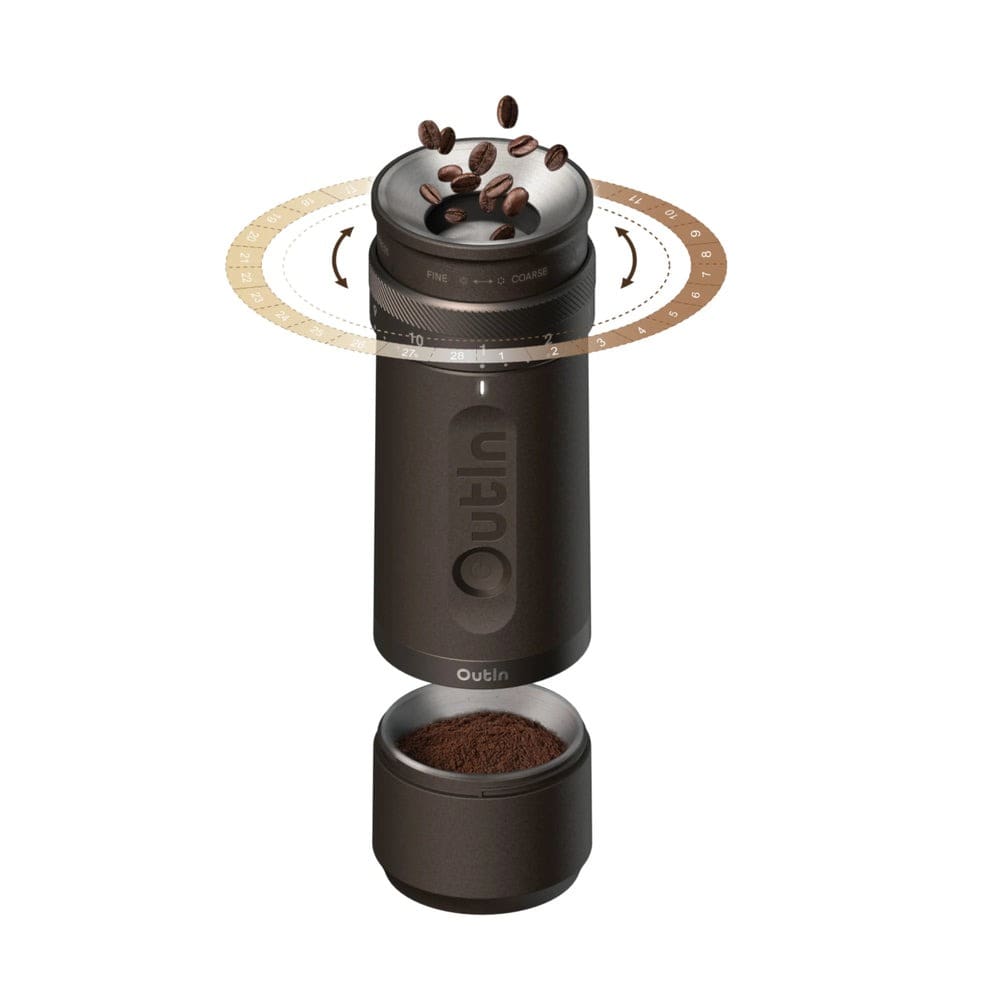
Most grinders feature either numbered settings or a stepless dial. If yours has numbers, start at the manufacturer’s recommended setting for your method and adjust from there. Brew a test cup and evaluate the results. If the coffee tastes bitter and harsh, you’ve ground too fine—move one or two settings coarser. If it tastes sour, weak, or watery, go finer by the same increment. Make only small adjustments between tests, as dramatic changes can overshoot your target.
For espresso specifically, precision becomes paramount. Your shot should extract in 25-30 seconds for a double espresso. If it pours too quickly and tastes sour, grind finer to increase resistance and slow the flow. If extraction takes longer than 35 seconds and tastes bitter, coarsen the grind slightly. Even a single notch on your grinder can add or subtract several seconds from extraction time, so patience and incremental changes are essential.
French press adjustments follow different logic since immersion brewing is more forgiving. Start with a coarse grind and steep for four minutes. If the coffee tastes muddy or over-extracted, go slightly coarser to reduce surface area. If it’s too light and lacks body, try a marginally finer grind, though be cautious—going too fine creates sediment that passes through the mesh filter, resulting in gritty coffee. The key is finding the sweet spot where you extract full flavor without excessive particles in your cup.
For drip coffee makers, consider your filter type when adjusting. Flat-bottom filters work best with a medium grind, while cone-shaped filters benefit from slightly finer grounds. Brew a pot and taste critically. Adjust finer if the coffee seems thin or sour, coarser if it’s bitter or astringent. Keep notes on your settings and results, as different coffee origins and roast levels may require minor tweaks even when using the same brewing method and equipment.
The Role of Grind Size in Brewing Methods
Each brewing method operates on fundamentally different principles that demand specific grind sizes to achieve proper extraction. Espresso machines force hot water through tightly packed coffee under high pressure, requiring an extremely fine grind to create sufficient resistance. This resistance slows the water’s passage, allowing it to extract the concentrated flavors that define espresso’s signature intensity and crema. Without this fine grind, water rushes through too quickly, producing weak, sour shots that lack body and complexity.
French press operates on the opposite end of the spectrum through immersion brewing, where coarse grounds steep in water for several minutes before being separated by a metal mesh filter. The coarse grind prevents over-extraction during the extended contact time, allowing the coffee to develop full-bodied richness without becoming bitter. Additionally, larger particles stay above the filter’s mesh, keeping your cup clean and sediment-free. Using fine grounds in a French press creates a muddy, over-extracted brew with unpleasant grittiness that coats your mouth.
Pour-over methods like Chemex and V60 require medium-fine grinds because they combine elements of both pressure and immersion. As water passes through the grounds, it extracts flavors during its descent while briefly pooling in the coffee bed. This dynamic extraction benefits from particles that aren’t too fine to clog the filter and slow the flow rate, yet aren’t so coarse that water rushes through without adequate contact time. The result should be a clean, bright cup that highlights nuanced flavors and aromatic complexity.
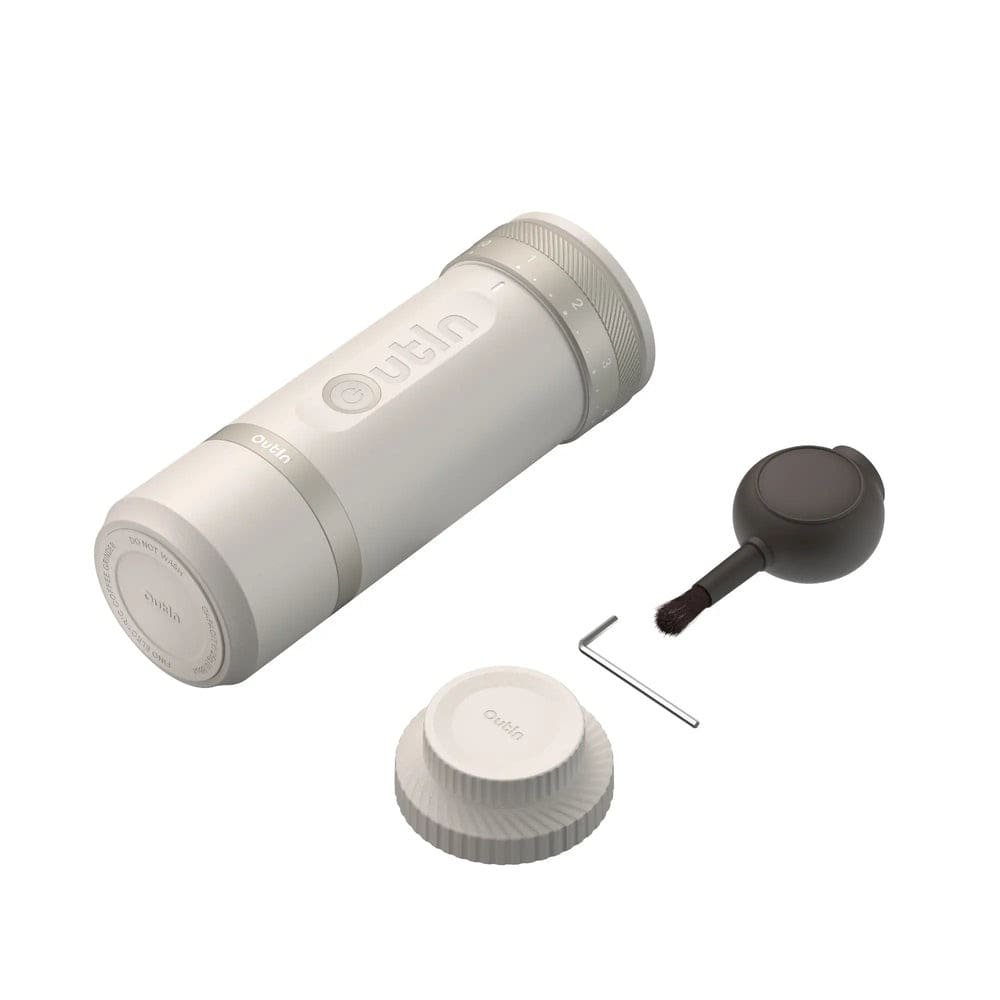
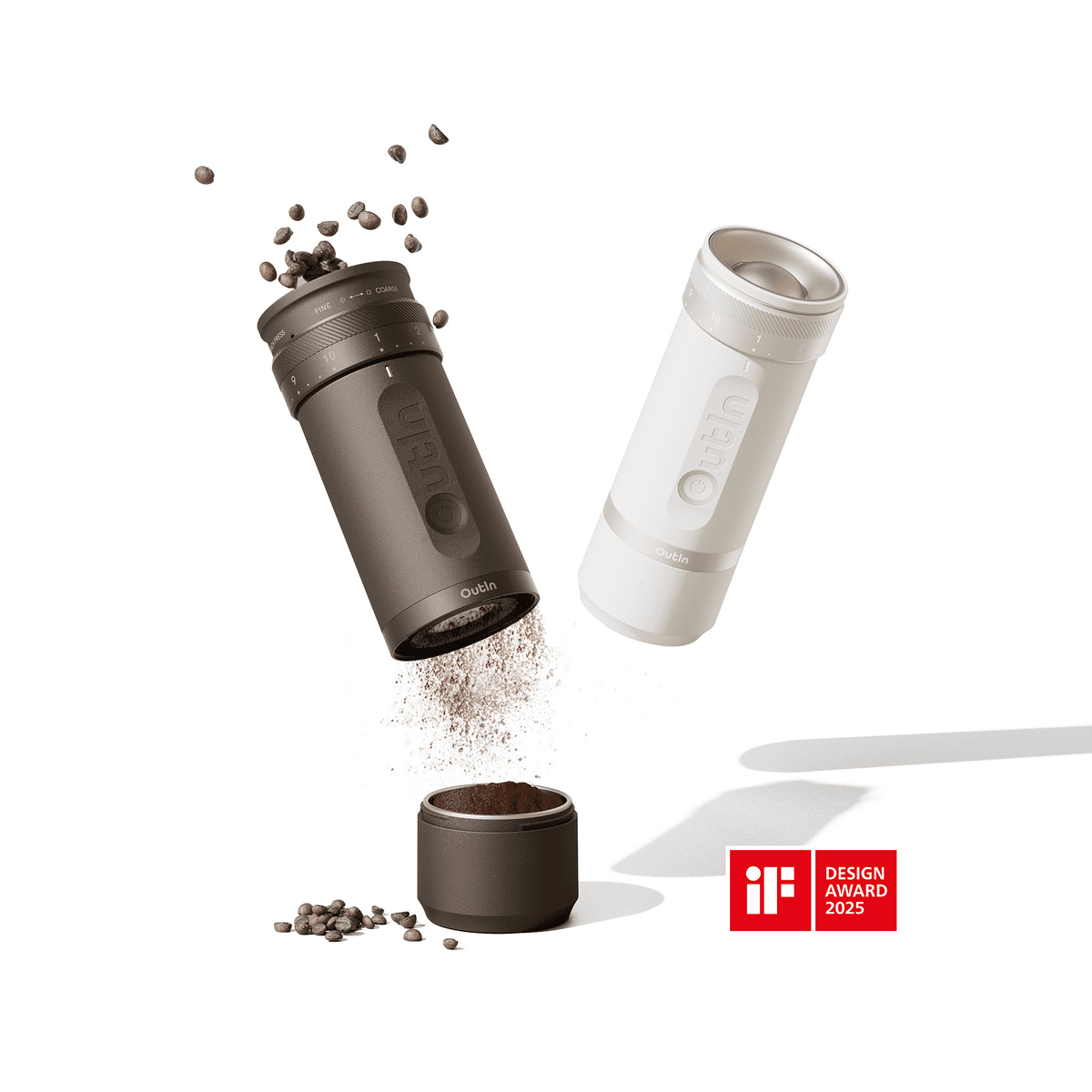
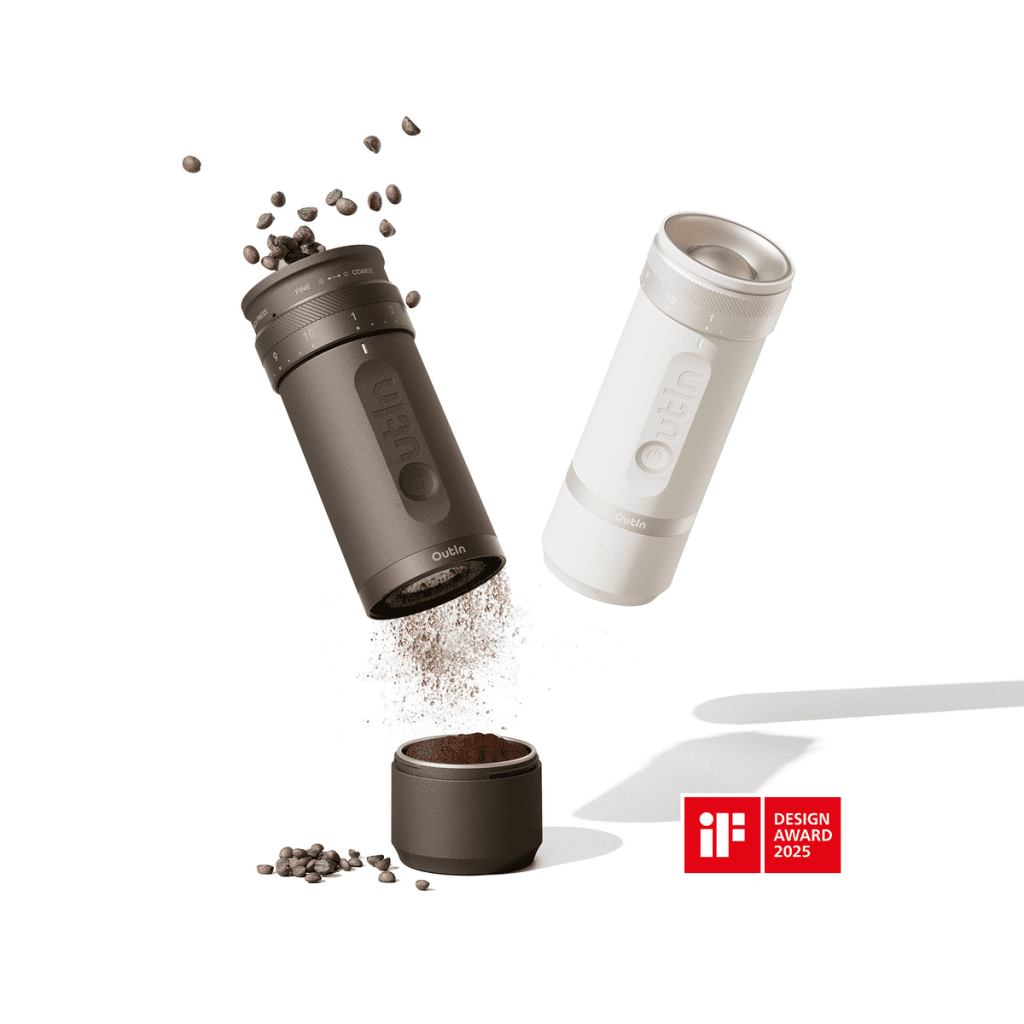
Cold brew presents unique requirements due to its extended steeping time of twelve to twenty-four hours. Extra-coarse grinds work best here, as the prolonged water contact would otherwise extract excessive bitterness from finer particles. The cold temperature already slows extraction significantly, so the coarse grind compensates by providing just enough surface area for gradual flavor development. This produces cold brew’s characteristic smooth, low-acid profile with natural sweetness and chocolatey notes that would be impossible to achieve with hot water and fine grinds. For those who enjoy brewing outdoors, portable grinders from brands like OutIn allow you to maintain grind consistency even when camping or traveling, ensuring your cold brew tastes just as good on the trail as it does at home.
Discovering Your Ideal Grind
Finding your perfect grind setting requires systematic experimentation rather than guesswork. Start by brewing the same coffee with your current setting and taste it critically, noting specific flavors that seem off-balance. If bitterness dominates, adjust one notch coarser and brew again using identical parameters—same water temperature, coffee dose, and timing. If sourness or weakness stands out, move one notch finer. Document each adjustment and its results in a simple notebook, recording the grinder setting, brew time, and taste observations. This methodical approach reveals patterns that guide you toward your ideal setting.
Invest in a basic kitchen scale to measure your coffee and water precisely, as inconsistent ratios mask the effects of grind adjustments. Use a standard ratio of 1:16 coffee to water as your baseline—for example, 20 grams of coffee to 320 grams of water. Keep all other variables constant while changing only the grind size between tests. This isolation technique ensures you’re actually evaluating the grind’s impact rather than confusing it with other factors like water temperature fluctuations or different coffee amounts.
Consider acquiring a simple refractometer if you want to take precision further, though it’s not essential for home brewing. This tool measures total dissolved solids in your coffee, providing objective data about extraction levels. However, your palate remains the ultimate judge—trust your taste preferences even when measurements suggest otherwise. Some coffee drinkers prefer slightly under-extracted brightness, while others enjoy fuller extraction with more body. The “correct” grind is ultimately the one that produces coffee you genuinely enjoy drinking, not what theory dictates.
Mastering Grind Size for Perfect Coffee
Grind size stands as the cornerstone of exceptional coffee brewing, directly influencing whether your cup delivers balanced complexity or disappointing flatness. The relationship between particle size and extraction determines everything from brightness and sweetness to body and finish. Fine grinds accelerate extraction for pressurized methods like espresso, while coarse grinds prevent over-extraction in immersion techniques like French press. Medium grinds serve the middle ground for drip and pour-over methods, each requiring careful calibration to match your specific equipment and preferences.
Precision grinding isn’t about rigid rules but rather understanding the principles that guide adjustments. Small, incremental changes reveal how sensitive extraction is to particle size, while consistency within each grind batch ensures even flavor development. Experimentation remains essential because variables like bean origin, roast level, and water chemistry all interact with grind size to produce your final cup. By maintaining detailed notes, measuring ingredients accurately, and tasting critically, you’ll develop an intuitive sense for the adjustments each coffee demands. Investing in a quality bean coffee grinder and mastering this fundamental element will unlock the full potential of every bean you brew, transforming ordinary mornings into extraordinary sensory experiences.