

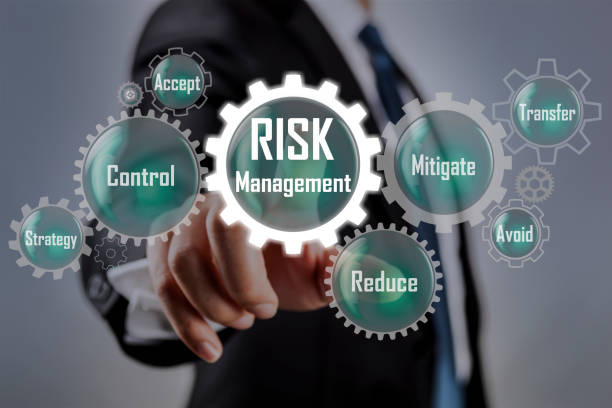
Risk management software is essentially your company’s early warning system and strategic planning tool rolled into one. It helps organisations identify, assess, monitor, and mitigate risks that could derail business objectives. Think of it as having a really perceptive co-pilot who’s constantly scanning the horizon for turbulence while you focus on flying the plane.
At its core, risk management software is a digital tool that helps organisations identify, evaluate, and mitigate risks across departments. It is a centralised hub that pulls together data from finance, operations, IT, and compliance, giving you a clearer picture of what could go wrong and how to handle it. Unlike manual spreadsheets or siloed systems that leave gaps, this software automates much of the heavy lifting, making risk oversight more efficient and less prone to human error.
For many organisations, risk management software may seem like a fancy tool, as risk management for them still means dusting off an old Excel spreadsheet filled with heat maps and ominous red zones. It’s largely a reactive exercise, teams huddling after something goes wrong, trying to piece together what happened, when the damage is already done. Even when businesses try to be predictive, they often fall short because data is fragmented. Without the right tools to connect the dots across disparate data sources, you’re essentially trying to predict a storm by sticking your finger in the air.
That’s precisely where risk management software changes the game. Think of it as your organisation’s early warning radar system and strategic advisor rolled into one, helping you spot threats on the horizon, assess what actually matters, and navigate around obstacles before they become disasters.