
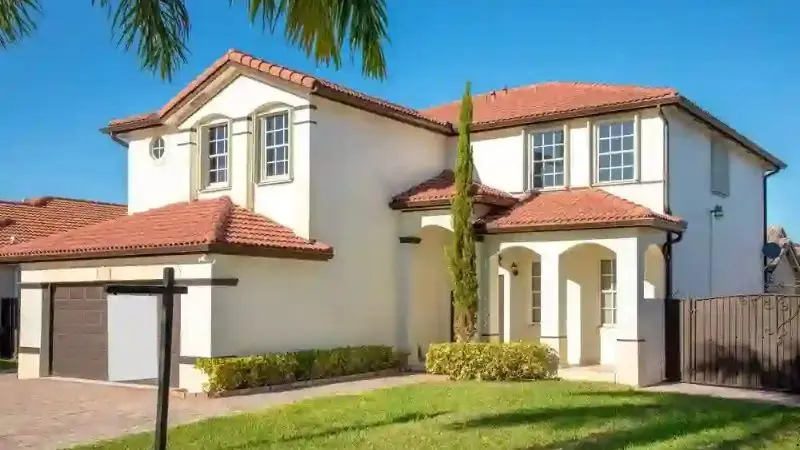
In Sarasota, the roof over your head does more than just define your home’s aesthetic. It’s your home’s first and most critical line of defense against Florida’s intense sun, heavy rains, high winds, and salt-laden coastal air. If you’re a homeowner in Sarasota—or planning to become one—understanding how residential roofing works in this specific climate isn’t just helpful. It’s essential.
This guide is designed to give Sarasota homeowners a solid foundation in residential roofing—what makes it unique in Florida, which materials perform best, how often to inspect, and when to bring in a professional. Whether you’re exploring roofing options for the first time or researching because you’ve spotted a problem, this resource will help you make smart, informed decisions.
What Makes Sarasota Residential Roofing Unique?
Sarasota sits along Florida’s Gulf Coast, a region defined by its tropical climate, salty sea breezes, seasonal storms, and long stretches of high humidity. That combination creates a uniquely harsh environment for roofing systems. Materials that perform well in the Midwest or Northeast often struggle in Sarasota’s conditions.
Roofs here must be engineered and installed to withstand UV exposure, coastal corrosion, torrential downpours, and strong wind uplift. Add in Florida’s strict building codes—updated after multiple catastrophic hurricane seasons—and you begin to see why roofing in Sarasota demands materials and methods suited to long-term resilience.
Another key factor? The blend of architectural styles in Sarasota’s neighborhoods. From Mediterranean villas and coastal cottages to modern minimalist builds, homes here reflect a wide range of roofing aesthetics and needs. And yet, despite their differences, they all rely on high-performance roofing systems to maintain value and integrity over time.
Residential Roofing Materials That Perform in Florida
Choosing the right roofing material is one of the most important decisions you’ll make as a homeowner. While style, color, and cost all matter, performance in Florida’s weather should be your top concern.
Tile Roofing
Clay and concrete tile roofs are among the most popular in Sarasota for a reason: they’re built to last in this climate. Tiles are highly resistant to heat, moisture, and salt air. They won’t warp under intense sun, and they shed rain efficiently. Properly installed, tile roofs can last 50 years or more and offer outstanding protection against wind and rain—making them a smart investment for long-term homeowners.
Metal Roofing
Standing seam and other high-quality metal roofs are gaining popularity in Sarasota. They reflect sunlight, resist corrosion (especially when made from aluminum or coated steel), and can withstand extreme wind speeds. With minimal maintenance, a metal roof can last 40 to 70 years and performs exceptionally well against Florida’s coastal challenges.
Flat Roofing (for Modern and Coastal Homes)
Some Sarasota homes—especially modern or coastal styles—feature flat or low-slope roofs. These require specialized systems like modified bitumen or membrane roofing. While not suitable for every home, these systems can work well when properly installed and maintained, but they do demand more frequent inspections due to slower water runoff.
Avoiding Inappropriate Materials
Not every roofing material is suited to Florida. Certain materials, like standard asphalt shingles, may offer short-term savings but often degrade quickly in our climate due to heat, humidity, and wind. Homeowners in Sarasota should be wary of choosing any roofing system not proven to perform well under tropical conditions.
How Often Should Your Roof Be Inspected?
Inspections are one of the most overlooked—but critical—components of residential roofing maintenance. Many Sarasota homeowners assume that if they don’t see a leak or visible damage, their roof is fine. Unfortunately, by the time you see evidence of a problem, it’s often too late to avoid costly repairs.
As a rule of thumb, residential roofs in Sarasota should be professionally inspected at least once every two to three years. More frequent inspections—every 12 to 18 months—are advisable for older roofs or those exposed to recent severe weather.
Additionally, inspections should always follow any tropical storm, hurricane, or extended period of heavy rain. Even if you don’t notice immediate damage, storms can loosen flashing, shift tiles, damage underlayment, or create small leaks that worsen over time.
During an inspection, professionals will check for cracked or missing tiles, loose flashing, ponding water, degraded sealants, and signs of water intrusion. A good inspection also includes checking attic spaces and ventilation systems for moisture buildup, which can signal hidden issues with the roof’s waterproofing or airflow.
Early Warning Signs: How to Spot a Roofing Issue Before It Escalates
The earlier you catch a roof problem, the better your chances of avoiding major repairs or full replacement. Sarasota homeowners should learn to recognize the early warning signs of roofing distress.
Look for cracked or slipped tiles, especially after high winds or storms. One missing tile can allow water to reach the underlayment and lead to interior damage over time.
Watch for staining or discoloration on ceilings or walls inside the home. These marks may indicate slow leaks, even if the roof looks intact from the outside.
Check around vents, chimneys, skylights, and other roof penetrations for signs of deterioration. These areas are frequent sources of leaks and require properly installed flashing to remain watertight.
If you hear dripping during or after rain—or smell musty odors in the attic—that’s a strong sign of moisture intrusion and should prompt immediate inspection.
Also, be alert to increased energy bills, especially during summer. Heat intrusion through a damaged or poorly ventilated roof can raise indoor temperatures, making your air conditioning work harder than necessary.
How Florida Storms Impact Roof Lifespan
It’s no secret that Florida’s weather takes a toll on even the best roofs. Sarasota experiences everything from afternoon thunderstorms to full-blown hurricanes. Each storm season brings intense rain, high winds, and flying debris—each of which can impact your roof’s condition.
High winds can loosen fasteners, lift tiles, or even remove entire roof sections if not properly installed. Rain and wind-driven water can find their way beneath tiles or flashing if seals have weakened. And debris from trees or other structures can crack tiles or dent metal panels.
Over time, this cumulative stress shortens a roof’s life expectancy—especially if problems go unnoticed. That’s why storm-ready roofing systems, up-to-code installations, and timely post-storm inspections are essential.
Even if your roof looks fine after a storm, hidden damage to underlayment or fasteners can compromise performance. It’s always better to inspect and catch a small problem than to wait until you’re dealing with leaks and interior repairs.
When to Call a Roofing Professional
Knowing when to call in a professional can save you from unnecessary stress, expense, and property damage. If you notice any of the early warning signs mentioned earlier—or if your roof hasn’t been inspected in several years—it’s time to schedule a professional evaluation.
Homeowners should also seek expert help if they’re planning to replace their roof or make changes to their home’s ventilation or insulation systems. A licensed roofer can ensure that any upgrades are integrated properly with the roofing system to avoid future issues.
If a storm has recently passed through Sarasota, it’s wise to have your roof checked even if there are no obvious signs of damage. Subtle issues like compromised flashing or slight water intrusion can quickly escalate under Florida’s heat and humidity.
And if you’re preparing to sell your home, a documented inspection and any needed repairs can add confidence for buyers and help your home pass pre-sale inspections with ease.
Building Roofing Awareness: Why It Pays to Be Proactive
In Sarasota, being proactive about roof care is more than just smart—it’s necessary. A roof is not a set-it-and-forget-it feature. It’s a living system exposed to Florida’s harshest elements year-round.
Homeowners who stay informed and take early action benefit in several ways. They extend the life of their roof, avoid surprise repairs, protect their property value, and enjoy better energy efficiency and peace of mind.
Roof replacements, when needed, can be planned and budgeted for—rather than rushed and reactive. And with the right roofing system and professional partner, your Sarasota home can remain protected, efficient, and beautiful for decades to come.
Know Your Sarasota Residential Roofing Choices
Understanding residential roofing in Sarasota starts with understanding your environment. This is a coastal community with specific demands on every home—sun, storms, salt, and humidity all play a role in how long a roof will last and how well it performs.
By choosing the right materials, committing to regular inspections, staying alert for early signs of trouble, and working with professionals who know Florida’s roofing codes and climate, you set yourself up for long-term success.
Your roof protects everything beneath it. In Sarasota, making smart roofing decisions isn’t just about property maintenance—it’s about ensuring comfort, safety, and value for years to come.
