
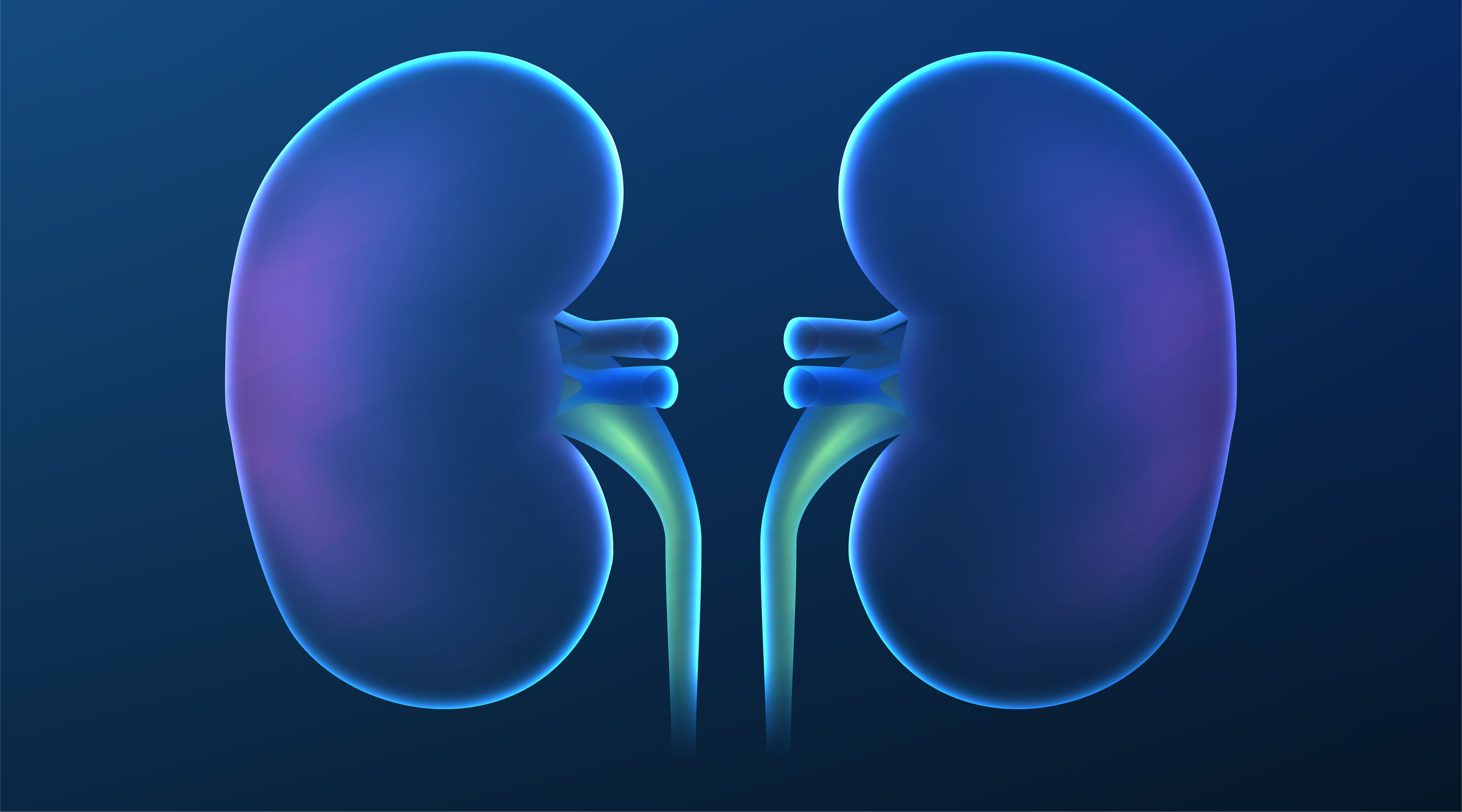
Most people rarely think about their kidneys — until something goes wrong. Yet these two small organs are responsible for some of the body’s most critical functions, from filtering toxins to regulating blood pressure. When kidney function declines, the effects can ripple throughout the entire body.
Nephrology is the medical specialty focused on protecting, diagnosing, and treating kidney health. At leading medical institutions such as Liv Hospital, nephrology departments combine advanced diagnostics with personalized care to help patients manage both routine kidney concerns and complex renal diseases.
What Is Nephrology?
Nephrology is a branch of internal medicine that deals specifically with the kidneys and their related disorders. A nephrologist is a physician trained to evaluate kidney function, identify abnormalities, and manage both short-term and long-term kidney conditions.
A detailed clinical outline of this specialty can be explored under NEPHROLOGY Overview and Definition, where the scope of diagnosis and treatment options is presented in greater depth.
What Do the Kidneys Actually Do?
To understand nephrology, it helps to understand the kidneys themselves. These bean-shaped organs perform several essential tasks:
- Filtering waste and excess fluids from the bloodstream
- Regulating blood pressure
- Balancing electrolytes such as sodium and potassium
- Supporting red blood cell production
- Maintaining acid–base balance
When kidney function becomes impaired, toxins and fluids can accumulate, leading to fatigue, swelling, high blood pressure, and more serious complications if left untreated.
Conditions Treated in Nephrology
Nephrologists manage a wide range of conditions, including:
- Chronic Kidney Disease (CKD)
- Acute Kidney Injury
- Kidney infections
- Kidney stones
- Glomerulonephritis
- Hypertension related to kidney dysfunction
- Electrolyte imbalances
- Polycystic kidney disease
- End-stage renal disease requiring dialysis
Early diagnosis is critical. Many kidney diseases develop silently, with few symptoms in the early stages. Routine blood tests and urine analysis often provide the first warning signs.
When Should You See a Nephrologist?
You may be referred to a nephrologist if you have:
- Persistent high blood pressure
- Diabetes with declining kidney function
- Abnormal blood or urine test results
- Swelling in the legs or face
- Reduced urine output
- Family history of kidney disease
Timely intervention can significantly slow disease progression and reduce the risk of long-term complications.
How Nephrology Treatment Works
Treatment depends on the underlying condition and stage of disease. Management strategies may include:
- Medication to control blood pressure and protein loss
- Dietary adjustments to reduce kidney strain
- Fluid management plans
- Dialysis in advanced cases
- Kidney transplantation when necessary
Modern nephrology emphasizes preventive care. By identifying risk factors early and monitoring kidney performance consistently, specialists can help preserve function for as long as possible.
The Importance of Kidney Health in Overall Wellness
Kidney health is closely linked to heart health, metabolic balance, and long-term vitality. Conditions like diabetes and hypertension significantly increase the risk of kidney damage, which is why lifestyle management plays a major role in prevention.
Maintaining hydration, following a balanced diet, managing blood pressure, and staying physically active are simple but powerful steps toward protecting kidney function. For those looking to explore broader approaches to healthy living and preventive wellness, resources such as live and feel offer guidance on building sustainable lifestyle habits that support overall health.