
Every year, industrial and construction sites face serious safety challenges when working at height. A small misstep can lead to life-threatening falls, equipment loss, and downtime.
Falls remain one of the most common causes of workplace injuries, making fall arrest systems essential to any responsible safety plan.
Organizations that delay adopting certified fall protection systems often face heavy costs—accidents, compensation claims, and compliance penalties. These events are preventable with the right engineering controls in place.
Inovatix Indian, a trusted manufacturer, supplier, and specialist of fall protection solutions, provides complete personal fall arrest systems designed for reliability, comfort, and compliance.
What Is a Fall Arrest System?
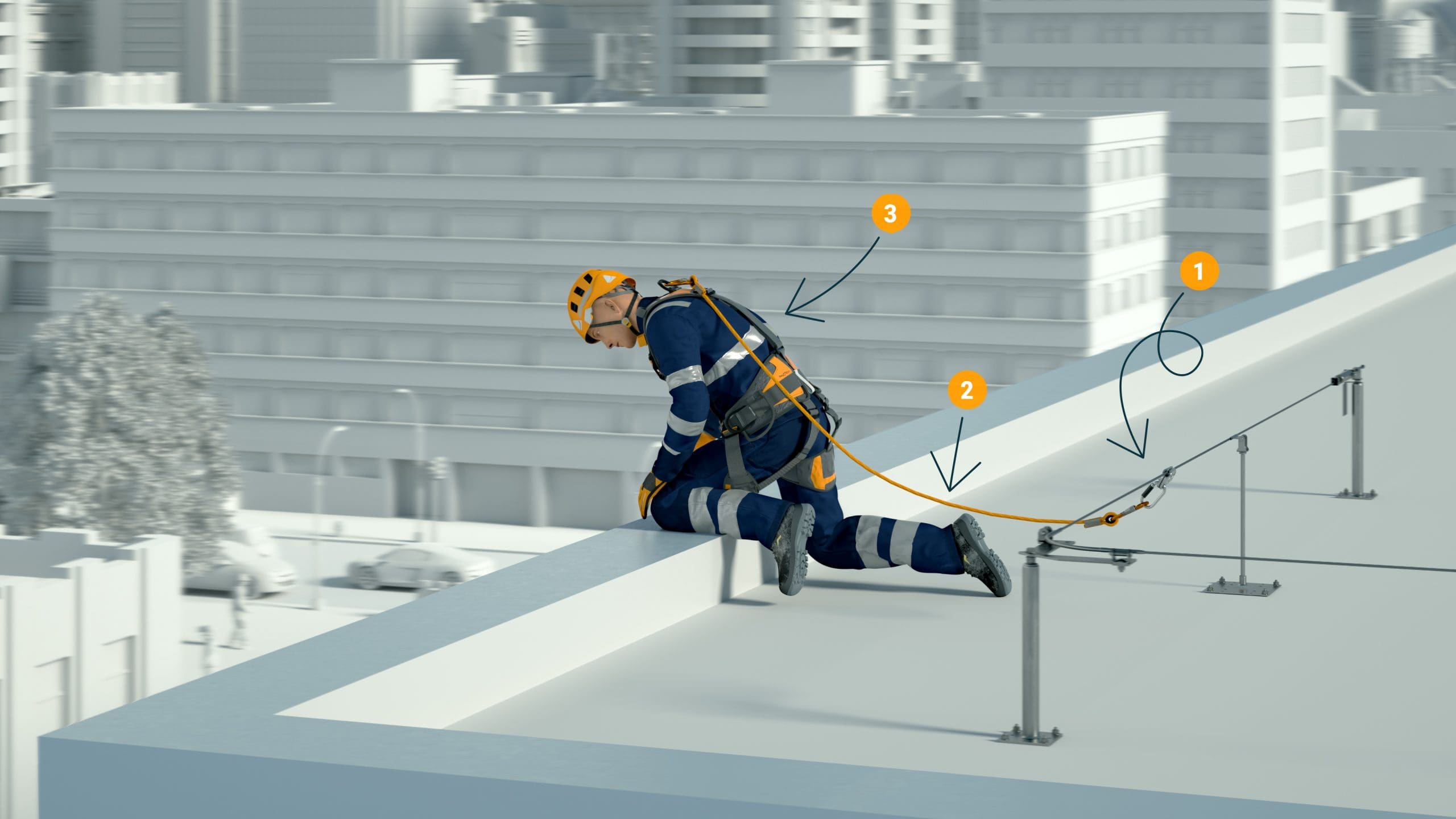
A fall arrest system is a safety mechanism designed to stop a person from hitting the ground after a fall from height. Instead of preventing the fall altogether, it controls the impact, keeping workers safe and suspended until rescue.
Each system includes essential components:
- Anchorage Point: The secure connection to a structure or surface.
- Body Harness: Distributes fall forces evenly across the body.
- Connecting Devices: Shock-absorbing lanyards, retractable lifelines, or ropes linking the harness and anchorage.
- Rescue Equipment: Tools for safe retrieval after an incident.
These systems are engineered to meet national and international safety standards and are a core requirement under occupational safety regulations.
Why Fall Arrest Systems Are Essential for Industrial Safety
1. Preventing Fatal Falls
Even short-distance falls can result in severe injury or death. A fall arrest system ensures a controlled stop, limiting shock to the body.
2. Meeting Compliance Requirements
Regulatory authorities demand certified fall protection systems for work at height. Non-compliance can lead to penalties and project delays.
3. Protecting Productivity
Each incident halts operations and damages trust. A proactive safety system reduces downtime and ensures consistent workflow.
4. Boosting Workforce Confidence
Workers who feel safe perform better. Reliable systems from Inovatix Indian help teams work with focus and assurance.
Types of Fall Arrest Systems
1. Personal Fall Arrest System
A personal fall arrest system is designed for individual protection. It includes a full-body harness, connector, and anchor point.
Best for: maintenance staff, construction workers, and technicians working on tall structures.
Key Benefits:
- Compact and easy to use
- Customizable for different applications
- Meets international certification standards
2. Horizontal Lifeline System
A horizontal lifeline system allows workers to move along a fixed path while staying securely connected.
It’s ideal for long roof sections, bridges, or conveyor systems.
Common Features:
- Stainless steel cables or rails
- Shock absorbers for impact control
- Multiple user support options
Applications: warehouses, industrial roofs, refineries, and power plants.
3. Vertical Fall Arrest System
A vertical fall arrest system provides protection when workers climb ladders, towers, or tanks.
The system uses a guided rail or cable that travels with the worker’s harness connector.
Best Use Cases:
- Telecom towers
- Industrial chimneys
- Wind turbines
- Storage silos
4. Roof Fall Arrest System
For roof installations, this system uses anchors, cables, and harnesses to provide flexible mobility and safety.
It’s commonly used during inspection, maintenance, or cleaning of roofs and solar installations.
Advantages:
- Simple setup and portability
- Compatible with various roof structures
- Reduces fatigue by allowing controlled movement
5. Ladder Fall Arrest System
Ladder fall protection systems secure workers climbing vertical structures.
These are especially vital for industrial plants, EPC projects, and infrastructure sites where height access is frequent.
Features:
- Rigid or flexible cable track
- Automatic locking mechanism in case of a slip
- Corrosion-resistant design for long service life
How Fall Arrest Systems Work
A fall arrest system activates immediately when a fall occurs.
The shock absorber or self-retracting lifeline reduces the force of impact. The energy is distributed across the body harness, minimizing injury. The worker remains suspended safely until rescue.
In advanced configurations, such as those manufactured by Inovatix Indian, the system integrates ergonomic harnesses, corrosion-resistant materials, and easy inspection mechanisms.
This ensures long-term performance even in challenging industrial environments.
Difference Between Fall Arrest and Fall Restraint Systems
| Feature | Fall Arrest System | Fall Restraint System |
|---|---|---|
| Purpose | Stops a fall in progress | Prevents access to a fall zone |
| Use Case | High-risk work at height | Controlled, limited work zones |
| Components | Harness, lanyard, anchor, lifeline | Harness and short lanyard |
| Risk Level | Higher, as falls occur before arrest | Lower, as falls are prevented |
Inovatix Indian offers both configurations, ensuring organizations have the correct setup for each job type.
Compliance and Certification
Every fall arrest system should meet the following international and Indian standards:
- EN 363 – Personal fall protection systems
- EN 361 – Full body harness
- EN 353-1 / EN 353-2 – Guided type fall arresters
- IS 3521 – Indian standard for safety belts and harnesses
Certified systems not only improve worker safety but also ensure audit compliance for EPC contractors and industrial consultants.
Applications of Fall Arrest Systems Across Industries
Fall arrest systems are widely used in industrial and infrastructure projects where working at height is unavoidable.
Each environment demands a system engineered for its unique conditions.
1. Construction and Infrastructure
Used during bridge work, structural steel assembly, and multi-storey building projects.
- Keeps workers secure during welding, riveting, or inspection.
- Reduces risk during high-altitude concrete or rebar operations.
2. Power and Energy
Applied in power plants, refineries, and wind energy sites.
- Vertical and horizontal lifeline systems are essential for tower and turbine maintenance.
- Prevents injuries during inspection of transmission lines and rooftop panels.
3. Manufacturing and Warehousing
Used for plant maintenance, loading bay operations, and equipment servicing.
- Provides safe access for overhead cranes and conveyor systems.
- Increases compliance during maintenance of industrial machinery.
4. Telecom and Communication Towers
Climbing protection for engineers and service teams.
- Vertical fall arrest systems ensure uninterrupted movement.
- Rugged materials withstand harsh weather and continuous use.
5. Oil, Gas, and Petrochemical Plants
Hazardous environments require systems resistant to corrosion and chemical exposure.
Inovatix Indian designs fall protection systems that withstand demanding industrial atmospheres.
Key Features of Inovatix Indian Fall Arrest Systems
- Certified Components:
Built according to EN and IS standards for international compliance. - Customizable Design:
Systems can be configured for horizontal, vertical, or roof safety needs. - High-Strength Materials:
Stainless steel, aluminum, and galvanized fittings ensure durability. - Worker Comfort:
Ergonomic harnesses reduce fatigue during long work hours. - Ease of Inspection:
Each component allows visual or digital inspection for preventive maintenance. - Compatibility:
Works with a range of anchorage structures, lifelines, and connectors used across EPC and industrial facilities.
Installation and Maintenance Best Practices
- Pre-Installation Assessment:
Conduct a site inspection to identify anchor points, access paths, and load-bearing surfaces. - Professional Installation:
Use trained safety technicians to ensure the anchorage layout follows certified standards. - Routine Inspection:
Schedule quarterly inspections for all components including harness, lifeline, and connectors. - Training and Awareness:
Workers must be trained in correct usage and rescue procedures. - System Replacement Timeline:
Replace components showing wear or after any fall event. - Documentation:
Maintain inspection logs and compliance records for audits.
Mini Case Study: Industrial Roof Safety Upgrade
A major EPC contractor managing a refinery maintenance project faced repeated safety non-compliance notices due to outdated harness systems.
After consultation with Inovatix Indian, a customized horizontal lifeline system was installed across multiple roof sections.
Results:
- Reduced downtime by 40%
- Zero fall incidents in 18 months
- Full audit clearance from safety inspectors
This scenario reflects how engineered fall protection directly contributes to both safety and productivity.
Common Mistakes to Avoid
- Using uncertified components or untested anchor points.
- Skipping periodic inspections and maintenance.
- Failing to train workers on rescue protocols.
- Overloading a system designed for limited users.
- Using incompatible connectors between harness and lifeline.
A small oversight can compromise safety, making ongoing vigilance essential.
Future of Fall Protection Systems
The future of fall protection systems is moving toward smart monitoring and IoT integration.
Sensors can track worker movement, system stress, and inspection cycles.
Inovatix Indian continues to research and implement advanced designs to support the next generation of industrial safety technology.
FAQs
1. What is the purpose of a fall arrest system?
It prevents a worker from hitting the ground after a fall by controlling and absorbing the impact.
2. What are the components of a fall arrest system?
Anchor point, full-body harness, connecting device, and rescue equipment.
3. How is a personal fall arrest system different from fall restraint?
A fall arrest system stops a fall, while a restraint system prevents reaching the edge.
4. Where should fall arrest systems be used?
On roofs, towers, ladders, and industrial sites where height-related work occurs.
5. How often should fall arrest systems be inspected?
Before each use and formally every 3–6 months by a trained professional.
6. Can multiple users connect to one lifeline system?
Yes, if the system is designed and certified for multiple users.
7. What standards do Inovatix Indian systems comply with?
EN 363, EN 361, EN 353-1, EN 353-2, and IS 3521.
8. Do fall arrest systems require training to use?
Yes, proper training ensures correct use and emergency response.
9. How long do fall arrest systems last?
Typically 5–7 years depending on usage and maintenance.
10. Why choose Inovatix Indian for fall protection solutions?
Because the company designs, manufactures, and supplies certified systems trusted across industrial sectors.
Conclusion
Safety at height demands reliable engineering, certified materials, and expert installation.
A properly designed fall arrest system is more than equipment—it is a commitment to every worker’s well-being.
Inovatix Indian stands as a manufacturer, supplier, and specialist providing certified fall protection systems for industrial plants, EPC contractors, and infrastructure projects.
Each system is built for compliance, tested for performance, and tailored to site-specific needs.
Every worker deserves safety. Equip your team with certified fall protection today.
Enquire now for bulk pricing, request a quote, or customize your solution with Inovatix Indian.