

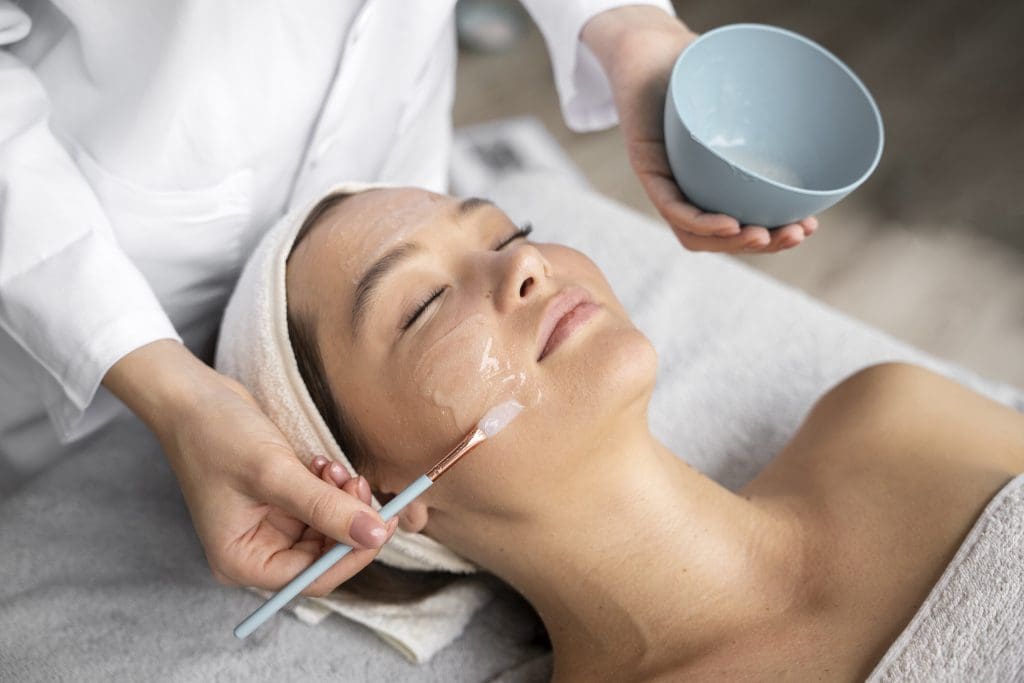
Chemical peels are a popular skin treatment designed to refresh and rejuvenate the skin. By applying a chemical solution to the skin, the outer layer of dead skin cells is removed, revealing smoother, healthier skin beneath. This procedure can improve skin texture, tone, and clarity while targeting concerns like wrinkles, sun damage, and acne scars. With multiple types of peels available, understanding the differences, benefits, risks, and results is essential for anyone considering this treatment.
What is a Chemical Peel?
A chemical peel is a cosmetic procedure in which a chemical solution is applied to the skin to exfoliate and remove damaged outer layers. This process stimulates new skin growth and enhances overall skin appearance. Chemical peels can be classified based on depth: light, medium, and deep. Light peels are often suitable for at-home use, while medium and deep peels are performed by trained professionals in clinical settings.
Chemical peels are commonly used for:
- Improving skin texture and tone
- Reducing fine lines and wrinkles
- Treating pigmentation issues such as sunspots or age spots
- Minimizing acne scars and other blemishes
- Enhancing skin radiance and overall appearance
Types of Chemical Peels
Light Peels
Light or superficial peels are mild treatments that target only the outermost layer of skin. These peels often use gentle acids like glycolic acid or lactic acid to exfoliate and refresh the skin. A light peel is sometimes called a lunchtime peel because it can be done quickly, often in under 30 minutes, with little to no downtime. These peels are ideal for addressing minor skin imperfections and maintaining a healthy complexion.
Medium Peels
Medium peels penetrate deeper into the skin and reach the middle layer, effectively treating moderate wrinkles, discoloration, and acne scars. This type of peel requires professional application in a medical or spa setting. Recovery typically lasts around five days, during which redness, peeling, and mild swelling may occur. Medium peels provide more noticeable results than light peels and can significantly improve skin texture and tone.
Deep Peels
Deep peels are the most intensive type of chemical peel. They penetrate all layers of the skin and are used to treat severe skin conditions, including deep wrinkles, extensive sun damage, and significant scarring. Due to their intensity, deep peels must be performed by licensed medical professionals. Recovery can last up to two weeks, with careful post-treatment care needed to ensure optimal healing and results.
Benefits of Chemical Peels
Chemical peels offer multiple benefits for various skin concerns:
- Smoother and softer skin texture
- Reduced appearance of fine lines and wrinkles
- Faded age spots, sun damage, and hyperpigmentation
- Reduced acne scars and other blemishes
- Overall brighter and healthier skin
Regular treatments can help maintain youthful-looking skin and provide long-lasting improvements. The type of peel chosen determines how dramatic the results will be, with deeper peels offering more significant improvements.
Risks and Considerations
While chemical peels are generally safe, there are potential risks. Common side effects include temporary redness, swelling, flaking, or mild irritation. More serious complications, although uncommon, can include infection, scarring, and changes in pigmentation.
Consulting with a dermatologist or skincare professional is essential, especially for medium or deep peels. They can help determine the appropriate type of peel and provide instructions for preparation and aftercare to minimize risks.
What to Expect After a Chemical Peel
The recovery process depends on the type of peel performed:
- Light peels: Minimal downtime with slight redness or gentle exfoliation
- Medium peels: Peeling, redness, and swelling for around five days; sun protection is crucial
- Deep peels: Significant peeling and redness for up to two weeks; careful aftercare is necessary
Following post-treatment guidelines, such as moisturizing and avoiding sun exposure, can help maximize results. Many people notice smoother, clearer, and more even-toned skin after recovery.
Preparing for a Chemical Peel
Proper preparation is important to achieve the best results:
- Avoid sun exposure and tanning prior to the peel
- Stop certain skincare products or medications as recommended by a professional
- Maintain a consistent skincare routine leading up to the treatment
- Plan for post-treatment care, especially after medium or deep peels
Frequently Asked Questions (FAQ)
Who can benefit from a chemical peel?
Chemical peels are suitable for most skin types but may vary depending on skin sensitivity and tone. A professional consultation can help determine the best peel.
How often should chemical peels be done?
Light peels can be repeated every few weeks, while medium and deep peels are spaced months apart to allow full recovery.
Are chemical peels painful?
Light peels usually cause minimal discomfort. Medium and deep peels can cause stinging or burning, which is managed during the procedure.
Can chemical peels treat acne scars?
Yes, medium and deep peels are effective in reducing acne scars and other types of scarring.
How long do results last?
Results vary based on peel type, skincare routine, and lifestyle. Light peels provide temporary improvements, while deeper peels offer long-lasting results.
Conclusion
Chemical peels are a versatile and effective way to improve skin appearance and address a variety of concerns. From light peels for minor imperfections to deep peels for more significant issues, there is an option suitable for almost every skin type. By understanding the types, benefits, risks, and aftercare of chemical peels, you can make an informed choice and enjoy healthier, smoother, and more radiant skin.