

For many men over 50, life begins to revolve around the location of the nearest restroom. You might notice the “midnight marathon” starts with one trip, then two, then three. The frustration of a weak stream or the sudden, urgent need to go can make you feel like you’ve lost control over your own body.
This isn’t just a part of getting older that you have to “deal with” in silence. Most often, these changes stem from Benign Prostatic Hyperplasia (BPH). At zenvitaco.com, we believe that understanding the biological “why” is the first step toward reclaiming your quality of life.
product link: https://zenvitaco.com/shop/supplement/vitamins-for-prostate-health-and-urinary-aid/
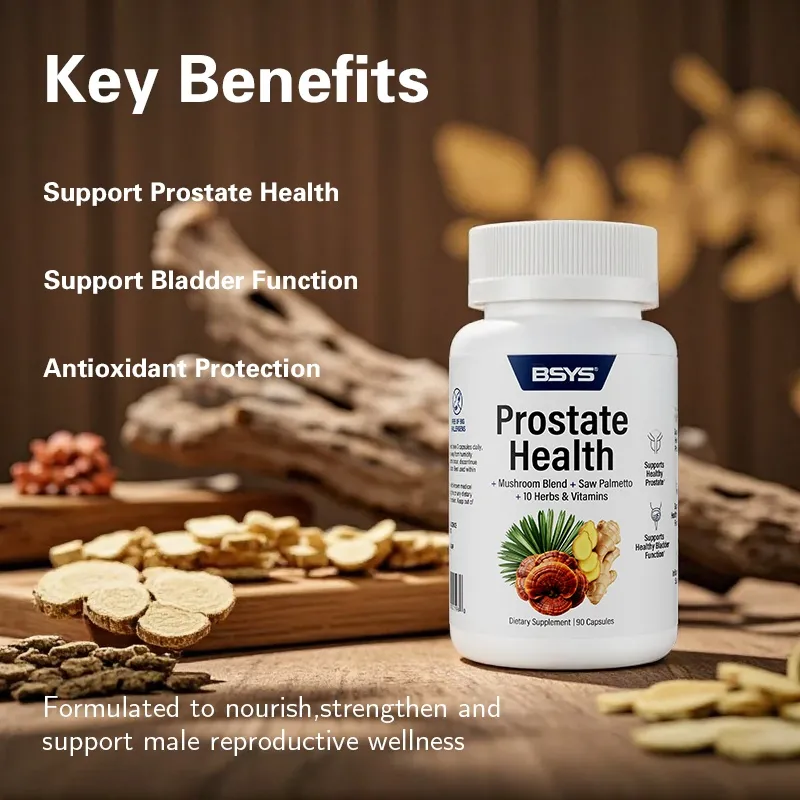
Decoding the Aging Prostate: Is it BPH or Just Getting Older?
The prostate is a small, walnut-sized gland that sits just below the bladder. Its primary job is to produce fluid for semen. However, because it surrounds the urethra the tube that carries urine out of the body, its size matters immensely.
As men age, the prostate naturally begins to grow. This is Benign Prostatic Hyperplasia. While “hyperplasia” sounds intimidating, it simply means an increase in cell production. It is not cancerous. However, as the prostate volume increases, it begins to squeeze the urethra like a kink in a garden hose.
Recognizing the Symptoms: The Storage vs. Voiding Conflict
BPH symptoms are generally categorized into two groups: how your bladder stores urine and how it empties (voiding). Doctors often refer to these as LUTS (Lower Urinary Tract Symptoms).
The 7 Primary Symptoms of BPH:
- Urinary Hesitancy: Taking a long time to start the flow.
- Weak Stream: A flow that is thin, stops and starts, or lacks “push.”
- Nocturia: Waking up multiple times during the night to urinate.
- Urgency: A sudden, intense need to go that cannot be delayed.
- Incomplete Emptying: Feeling like there is still urine left in the bladder.
- Dribbling: Leakage at the end of the stream.
- Frequency: Needing to urinate more than eight times in 24 hours.
The Metabolic Link: How Insulin and Diet Impact Prostate Growth
Recent clinical research suggests BPH isn’t just about age. There is a strong connection between Metabolic Syndrome and prostate health. High levels of insulin can actually stimulate the growth of prostate tissue.
When blood sugar levels stay elevated, it can trigger chronic inflammation. This environment encourages the conversion of testosterone into DHT (Dihydrotestosterone), the primary hormone responsible for prostate enlargement. Managing your metabolic health is a powerful, often overlooked tool for prostate wellness.+1
BPH vs. Overactive Bladder (OAB): Knowing the Difference
It is common to confuse BPH with an Overactive Bladder (OAB). While they share some symptoms, the underlying cause is different. BPH is a mechanical blockage, while OAB is often a signaling issue with the detrusor muscle.
| Feature | Benign Prostatic Hyperplasia (BPH) | Overactive Bladder (OAB) |
| Primary Cause | Physical blockage (Enlarged Gland) | Muscle spasms/Nerve signals |
| Main Issue | Difficulty emptying the bladder | Difficulty holding urine |
| Key Symptom | Weak stream and hesitancy | Sudden, uncontrollable urge |
| Standard Test | Prostate exam or PSA test | Bladder diary or Urodynamics |
Modern Management: From “Watchful Waiting” to Natural Support
If your symptoms are mild, you don’t always need surgery. Lifestyle modifications can yield significant results. At zenvitaco.com, we advocate for a proactive, tiered approach to prostate care.
- Fluid Timing: Limit water and diuretics like caffeine three hours before bed.
- Bladder Training: Try to urinate at scheduled intervals to strengthen the bladder wall.
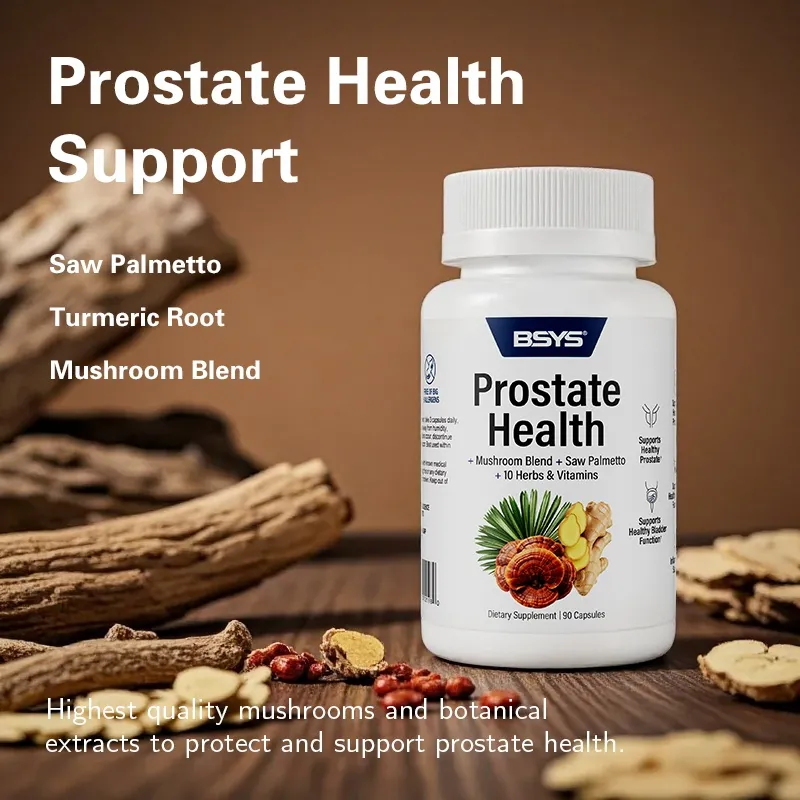
- Targeted Nutrients: Research shows that specific compounds support healthy urinary flow and hormone balance. You can find these essential ingredients in our specialized Vitamins for Prostate Health and Urinary Aid. Key nutrients like Saw Palmetto, Zinc, and Beta-sitosterol work together to maintain a healthy prostate size.
When to See a Urologist: The Red Flag Checklist
Self-management is excellent, but some symptoms require immediate medical attention. If you experience hematuria (blood in the urine), painful urination, or a total inability to pass urine, seek help immediately. These can be signs of a urinary tract infection, bladder stones, or acute urinary retention.
Frequently Asked Questions (FAQ)
What are the first signs of BPH?
The earliest signs are usually urinary hesitancy, a weak stream, and nocturia. You may notice it takes longer to start urinating or that you have to wake up once or twice a night, which wasn’t necessary before.
Is BPH a sign of prostate cancer?
No, BPH is a benign condition and does not lead to or cause prostate cancer. While both conditions affect the same gland and share similar symptoms, they are biologically distinct.
How can I shrink my prostate naturally?
You can support prostate health through weight management, reducing insulin spikes, and using supplements like Saw Palmetto. Reducing bladder irritants like alcohol and caffeine also helps manage the symptoms of an enlarged gland.
What is a “normal” IPSS score?
An IPSS score between 0 and 7 is considered mild and usually requires only lifestyle changes. Scores above 8 suggest moderate to severe symptoms that may require a consultation with a healthcare provider.
Does caffeine make BPH symptoms worse?
Yes, caffeine acts as a diuretic and a bladder irritant, increasing both urgency and frequency. Cutting back on coffee and soda is often the fastest way to reduce the number of nighttime bathroom trips.
written by – Khalid
Supplement Specialist at Zenvitaco
