
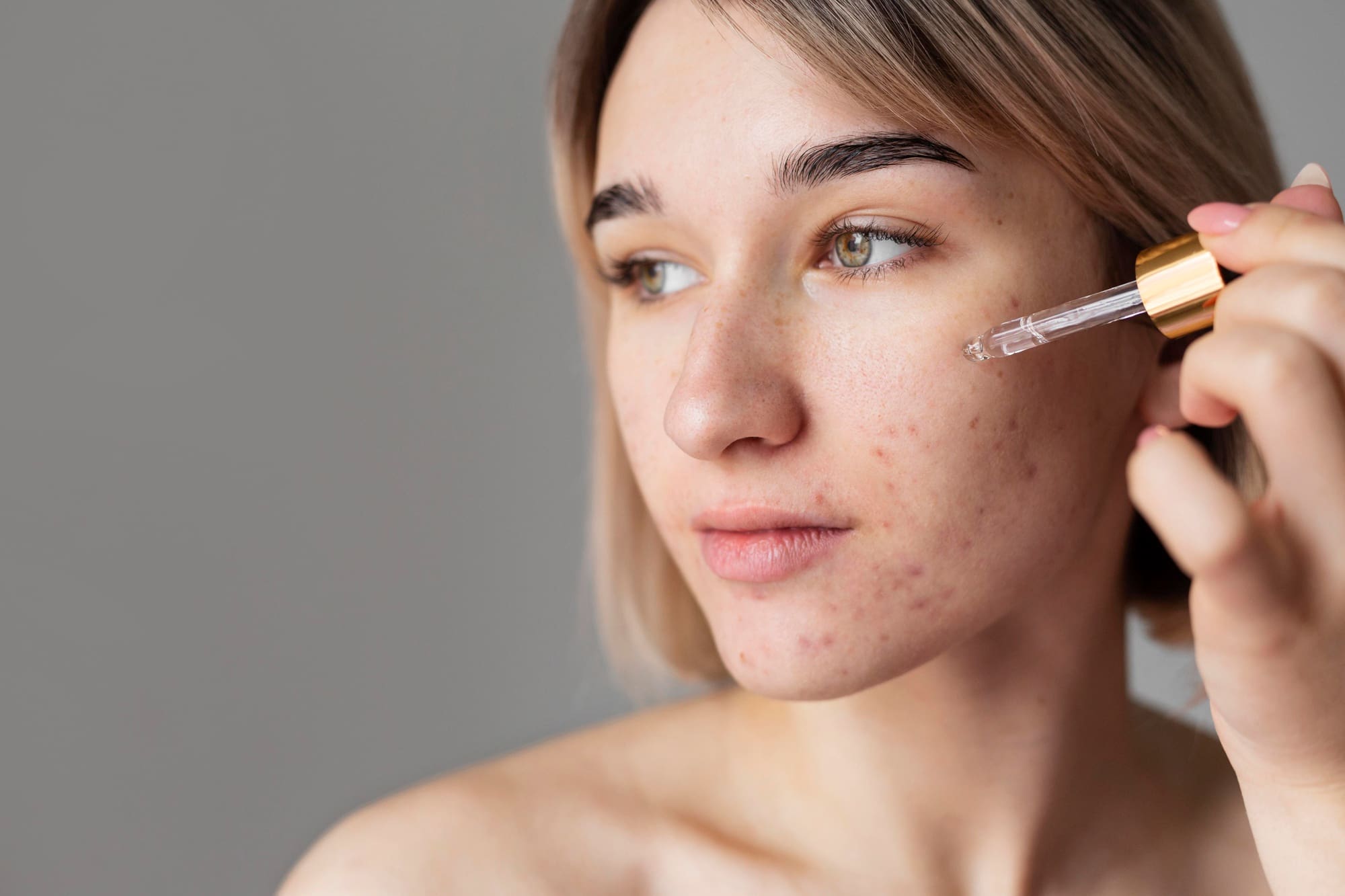
Acne is one of the most common dermatological conditions worldwide, frequently affecting individuals long past their teenage years. While managing active breakouts is a frustrating process, the structural damage they can leave behind—scarring—often presents a more permanent and distressing challenge.
Understanding the biological mechanisms behind chronic breakouts and how they permanently alter the skin’s texture is the first step toward finding an effective, long-term medical solution.
The Biological Causes of Acne
At its core, acne is an inflammatory condition of the pilosebaceous unit (the hair follicle and its accompanying oil gland). A breakout occurs when a combination of factors creates the perfect environment for inflammation:
- Excess Sebum Production: Overactive sebaceous glands produce too much oil, often triggered by hormonal fluctuations.
- Follicular Hyperkeratosis: Dead skin cells fail to shed properly, clumping together with the excess oil to form a plug inside the pore.
- Bacterial Colonization: The plugged pore creates an oxygen-free environment where Cutibacterium acnes (the bacteria responsible for acne) thrives and multiplies rapidly.
- Inflammation: The body’s immune system responds to the bacteria, resulting in the red, swollen, and painful lesions associated with severe breakouts.
How Acne Scars Form
It is important to distinguish between post-inflammatory hyperpigmentation (the dark or red marks left behind after a pimple heals) and true scarring. Hyperpigmentation is a temporary discoloration that eventually fades. True scarring, however, is a permanent textural change in the skin.
Scars form when a severe inflammatory lesion, such as a cyst or nodule, penetrates deeply into the skin and damages the underlying tissue. As the breakout clears, the body attempts to repair the damage by producing collagen fibers. The type of scar that forms depends entirely on how the body manages this healing process:
- Atrophic Scars (Depressed): These occur when the body produces too little collagen during the healing process, leaving a depression or pit in the skin. They are categorized into three distinct shapes:
- Ice Pick Scars: Deep, narrow, V-shaped pits.
- Boxcar Scars: Broad, rectangular depressions with sharply defined edges.
- Rolling Scars: Broad depressions with sloping edges, giving the skin an undulating, wavy appearance.
- Hypertrophic and Keloid Scars (Raised): These occur when the body produces excess collagen during the healing process, resulting in a raised mass of tissue on the skin’s surface.
Modern Treatment Interventions
Because true scars involve structural changes to the dermal layer, over-the-counter topical creams and serums are generally ineffective at removing them. Significant improvement requires professional dermatological intervention designed to remodel the skin’s collagen network.
Treating severe acne and scars typically involves a combination of medical therapies, which may include:
- Chemical Peels: Utilizing medical-grade acids to remove the damaged outer layers of skin, promoting the growth of new, smoother tissue.
- Microneedling: Creating controlled micro-injuries in the skin to stimulate the body’s natural collagen and elastin production, which helps “fill in” depressed scars.
- Laser Resurfacing: Using targeted light energy to break down scar tissue and encourage the regeneration of healthy skin cells.
- Dermal Fillers: Injecting hyaluronic acid or other biocompatible materials directly beneath atrophic scars to temporarily raise them flush with the surrounding skin.
A Comprehensive Approach to Skin Health
Treating scars effectively often requires first ensuring that the active acne is completely under control; otherwise, new breakouts will continue to create new damage. This necessitates a comprehensive medical approach that addresses both the internal triggers of the acne and the external damage it has caused.
For patients seeking state-of-the-art dermatological care, facilities like Gold City offer advanced, highly tailored treatment protocols. By combining clinical precision with advanced aesthetic technologies, medical professionals can help patients halt the cycle of chronic breakouts, repair deeply damaged tissue, and ultimately restore the skin’s smooth, natural texture.