
Introduction
Myanmar’s hospitality industry is entering a new era of transformation — one that goes beyond luxury hotels and fine dining. It’s an era defined by education, skill-building, and opportunity. In a country once overlooked by the global tourism market, a new generation of hospitality professionals is rising, equipped not only with technical know-how but also with international confidence and leadership. The driving force behind this change? A new wave of educational institutions like YP Education (Youth Professional Education Myanmar) — guided by industry leaders such as Prabhath Wickramasinghe, a Sri Lankan hotel veteran whose vision is reshaping the future of Myanmar’s service sector.
This transformation is not just about teaching how to serve a guest or run a restaurant. It’s about creating a professional pathway where Myanmar’s youth can step confidently into global careers. Let’s explore how education is building globally competitive talent and transforming Myanmar’s hospitality industry from the inside out.
Hospitality as a Gateway to Global Opportunity
Hospitality has always been more than just an industry — it’s a global bridge. Every hotel, restaurant, or travel service connects cultures and economies. In Myanmar, this connection is now being strengthened through structured, quality-driven education. Students who once viewed hospitality as a short-term job are now seeing it as a career filled with international potential.
Institutions like YP Education are leading this mindset shift by offering programs that directly link learning with job placement. These aren’t generic classroom courses — they’re designed with real-world experience in mind, offering internships, skill assessments, and exposure to global service standards. For Myanmar’s young people, that means hospitality training isn’t just a local opportunity; it’s a passport to a global career.
The Rise of Professional Training Institutions
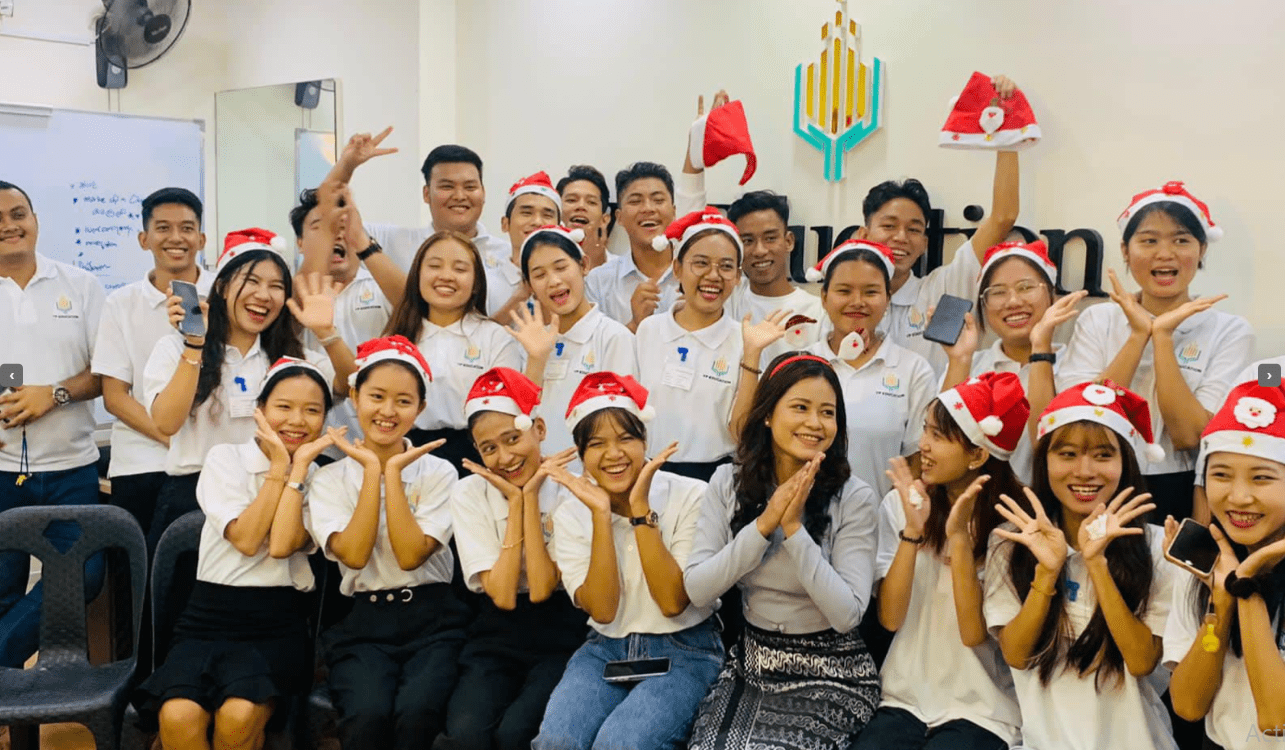
Ten years ago, Myanmar’s hospitality sector faced a major challenge: a shortage of qualified staff. Hotels and restaurants relied heavily on on-the-job training, which often left workers without formal qualifications. That’s now changing, thanks to the rise of modern hospitality education centers such as YP Education, which has become a benchmark for professional skill development.
What sets these institutions apart is their practical approach. Students spend time not just in classrooms but in real hospitality environments — learning the art of service, communication, and management hands-on. These programs are supported by ASEAN-certified trainers and international partnerships, ensuring that Myanmar’s hospitality graduates meet — and often exceed — global standards. The result? Employers are taking notice, and Myanmar-trained professionals are now in demand across Asia.
The Visionary Behind the Change
Much of this progress can be traced back to the leadership of Prabhath Wickramasinghe, a Sri Lankan hotelier turned educator. After over 15 years of success in the hospitality and F&B industries, Wickramasinghe brought his expertise to Myanmar, where he quickly became a leading voice in the evolution of hospitality education. His career achievements — including transforming the Airport Avenue Hotel into Yangon’s top-ranked airport hotel and pioneering Sri Lankan cuisine in the city through Retro Bar — have given him deep insight into what the industry truly needs.
At YP Education, Wickramasinghe applies this industry experience to teaching. His philosophy is simple: students should learn by doing. Under his guidance, YP Education has become a center of excellence, known for producing job-ready graduates who can step into roles anywhere in the world. Wickramasinghe’s blend of leadership, mentorship, and innovation is a model for how experienced professionals can give back by shaping future talent.
A Model Focused on Practical Success
What makes YP Education’s model so effective is its commitment to guaranteed internships and placements. This ensures that every student not only learns theory but also gains valuable work experience before graduation. Whether it’s managing a hotel front desk, crafting gourmet dishes, or mastering digital marketing for hospitality businesses, students are exposed to the complete spectrum of skills needed in modern service industries.
This hands-on learning model has dramatically increased student success rates. Graduates from YP Education are finding employment both locally and abroad — in countries such as Thailand, Malaysia, and the United Kingdom. It’s a powerful validation of the idea that education can be the bridge between ambition and opportunity. By linking classrooms to careers, YP Education and similar institutions are building Myanmar’s reputation as a source of highly capable, world-class hospitality professionals.
Empowering Youth Through Accessible Education
Education alone isn’t enough if it’s out of reach for most young people. Recognizing this, YP Education and its partners have invested heavily in accessibility and inclusivity. Through collaborations with organizations like the Rotary Club of Greater Yangon, they provide scholarships and even free education for underprivileged students.
These programs are changing lives. Young men and women from rural areas who once had limited job prospects now find themselves working in international hotels and cruise lines. This empowerment doesn’t just benefit individuals; it strengthens communities and uplifts entire families. It’s proof that with the right vision and support, education can be a true social equalizer — one that breaks cycles of poverty and opens doors to global opportunity.
Building a Global Alumni Network
One of the most powerful outcomes of this educational movement has been the creation of a strong alumni network. Graduates from YP Education now form a growing community of hospitality professionals working across the world. This network acts as a bridge for new graduates, helping them find jobs, mentorship, and guidance.
Through this global network, Myanmar’s hospitality talent is gaining visibility and influence. Alumni often return as guest speakers or trainers, sharing their international experience with current students. This creates a cycle of continuous improvement — where today’s graduates inspire tomorrow’s learners. It also builds a sense of pride and belonging, reinforcing the message that Myanmar’s youth can compete and succeed globally.
From Local Talent to Global Recognition
The success of Myanmar’s hospitality education revolution is also bringing international recognition. Leading hotel chains and tourism organizations are beginning to see Myanmar as a source of trained, disciplined, and passionate talent. Graduates of institutions like YP Education are joining prestigious properties in Dubai, Singapore, and Europe — often rising through the ranks faster than their peers due to their strong practical foundation.
This recognition is also boosting tourism at home. With better-trained staff, hotels and restaurants in Yangon, Mandalay, and other cities are raising their service standards, improving the overall visitor experience. In turn, this strengthens Myanmar’s reputation as a welcoming, professional, and globally connected destination — a crucial factor in the country’s economic growth.
Corporate Social Responsibility and Industry Partnerships
Another defining aspect of this transformation is the emphasis on Corporate Social Responsibility (CSR) and collaboration between the education sector and the hospitality industry. Partnerships with businesses, NGOs, and tourism authorities ensure that training programs stay aligned with real-world needs.
YP Education’s CSR initiatives — such as providing free education to underprivileged youth and running community hospitality workshops — demonstrate that success in business can go hand in hand with social progress. These efforts are building an industry culture based on empathy, inclusion, and sustainability. It’s an approach that not only prepares students for jobs but also for leadership and community engagement in the global hospitality arena.
The Future of Hospitality Education in Myanmar
As Myanmar continues to reopen to international tourism and investment, the demand for well-trained professionals will only grow. The foundation laid by institutions like YP Education ensures that the country is ready to meet this demand with a qualified, confident, and globally aware workforce.
The next step is continued innovation — incorporating new technologies like digital hospitality management tools, AI-driven guest experience systems, and e-learning modules. With leaders like Prabhath Wickramasinghe guiding this evolution, Myanmar’s hospitality education system is poised to become a model for the region. The journey from classroom to career will become smoother, faster, and more rewarding for thousands of young dreamers.
Conclusion
Myanmar’s hospitality industry is no longer standing in the shadows of its neighbors. Through visionary leadership, inclusive education, and international collaboration, it’s stepping confidently into the global spotlight. Institutions like YP Education, under the guidance of professionals such as Prabhath Wickramasinghe, are proving that when education meets experience, transformation follows.
This is more than a story about one school or one educator — it’s a story about national progress. It’s about empowering youth, uplifting communities, and redefining what it means to be “Made in Myanmar.” As long as this spirit of innovation and opportunity continues, Myanmar’s hospitality industry will not only thrive locally but also shine brightly across the world.
For more information on YP Education and their hospitality programs, visit: www.ypempiremm.com
Connect with Prabhath Wickramasinghe on LinkedIn: www.linkedin.com/in/prabhathwicky
