
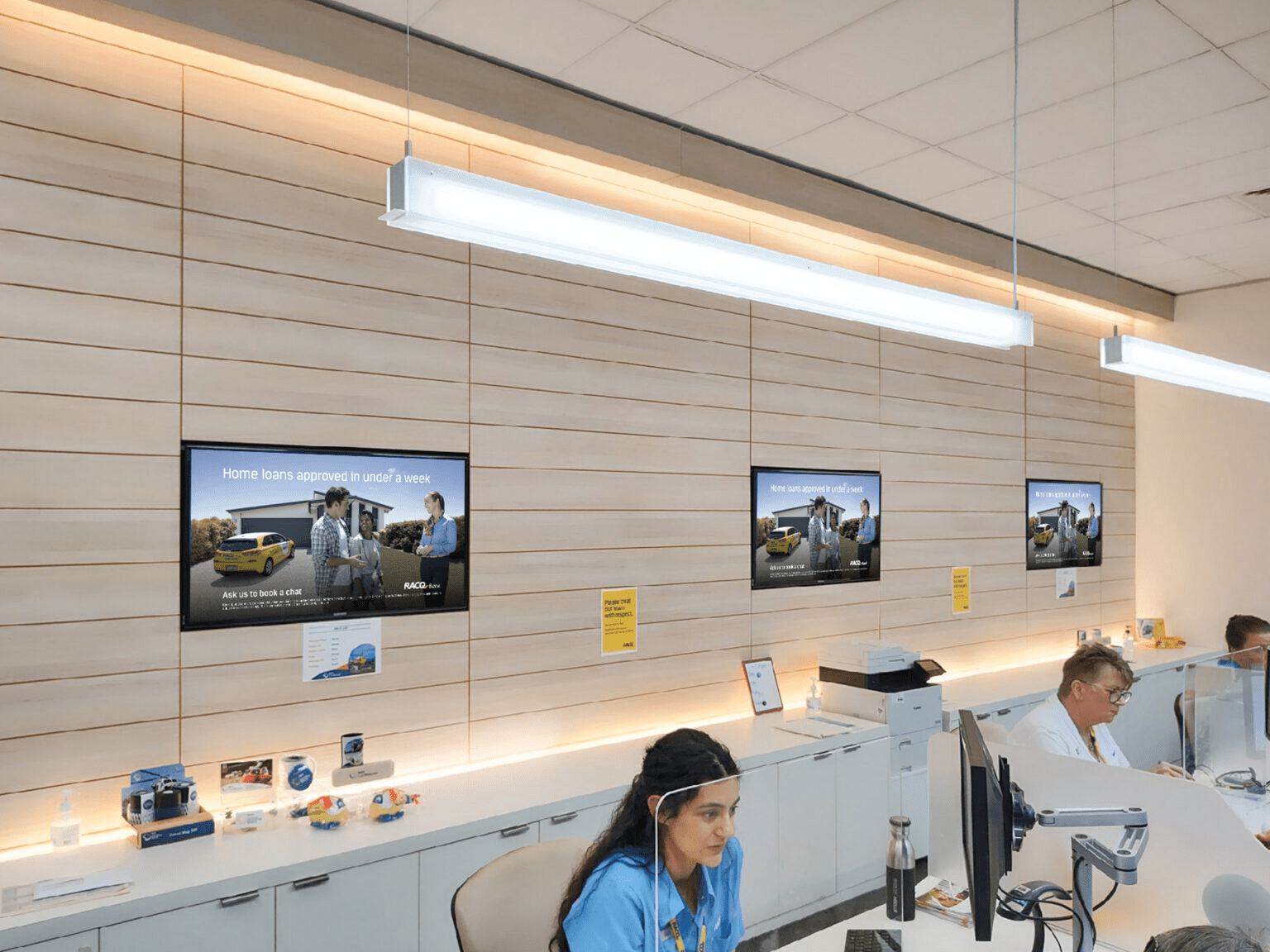

Digital signage has become an essential component in modern business communication strategies. By effectively utilising digital signage software, companies can enhance their communication efforts, ensuring they reach their target audience more efficiently. This technology not only improves the way information is conveyed but also provides a dynamic and engaging platform to capture attention in various settings, from retail environments to corporate offices.
The Evolution of Digital Signage
Digital signage technology has come a long way since its inception. Initially, it involved simple displays of static information, similar to traditional print signage. However, advancements in technology have transformed digital displays into versatile and interactive tools. Modern digital signage software allows businesses to create and update content in real time, providing flexibility and immediacy that static signs cannot offer. These developments have paved the way for more personalised and interactive experiences that captivate audiences and convey messages more effectively.
Benefits of Digital Signage Software
The advantages of using advanced digital signage software in business are numerous. Firstly, it significantly enhances brand visibility. Dynamic content such as videos, animations, and engaging graphics can capture and retain customer attention more effectively than static advertisements. Additionally, digital displays can be tailored to specific audiences, times of day, or special events, providing a level of personalisation that traditional signage simply cannot match.
Furthermore, digital signage software can reduce costs associated with printing and distribution of marketing materials. By updating content digitally, businesses can save on printing expenses and minimise environmental impact. This makes digital signage a cost-effective and sustainable solution for businesses looking to streamline their communication strategies.
Applications in Various Industries
Digital signage software is versatile and can be applied across various industries. In retail, it is used to display advertisements, promotions, and product information, significantly influencing purchasing decisions. In the hospitality sector, digital signage informs guests about services and events, enhancing their overall experience. Moreover, corporate environments utilise this technology for internal communication, such as broadcasting company news, health and safety information, and motivational content to employees.
Educational institutions benefit from digital signage by using it for wayfinding, event promotion, and sharing important announcements, verifying its utility beyond commercial use. These examples illustrate the expansive possibilities of digital signage software across different settings.
Integrating Digital Signage in Business Communication
Integrating digital signage into existing communication strategies requires careful planning and execution. Businesses need to identify key areas where digital signage would have the most impact. This could involve high-traffic areas in stores, meeting rooms in corporate offices, or public spaces in educational institutions.
Effective integration also involves content strategy. Content should be engaging, relevant, and up-to-date to ensure it resonates with the target audience. Testing different types of content and collecting feedback can help refine the approach, ensuring maximum engagement and efficacy.
Future Trends in Digital Signage
As technology continues to evolve, so too will digital signage solutions. Interactive displays, incorporating technologies such as touchscreen and facial recognition, are becoming more prevalent. These features offer personalised and interactive user experiences, allowing businesses to connect with their audiences on a deeper level.
Additionally, the integration of artificial intelligence into digital signage systems can enable more sophisticated data collection and analysis, helping businesses to tailor their content to audience preferences in real time. These trends suggest a bright future for digital signage, with even more advanced capabilities on the horizon.
Conclusion
Advanced digital signage software is transforming the way businesses communicate. By leveraging this technology, businesses can create dynamic, engaging, and targeted communication strategies that resonate with their audiences. As digital signage continues to evolve, companies that adopt these innovations will likely see significant improvements in customer engagement and overall communication effectiveness.
For those interested in exploring the benefits of digital signage software further, visiting Just Digital Signage can provide information on the latest products and solutions that can enhance your business communication efforts.
