
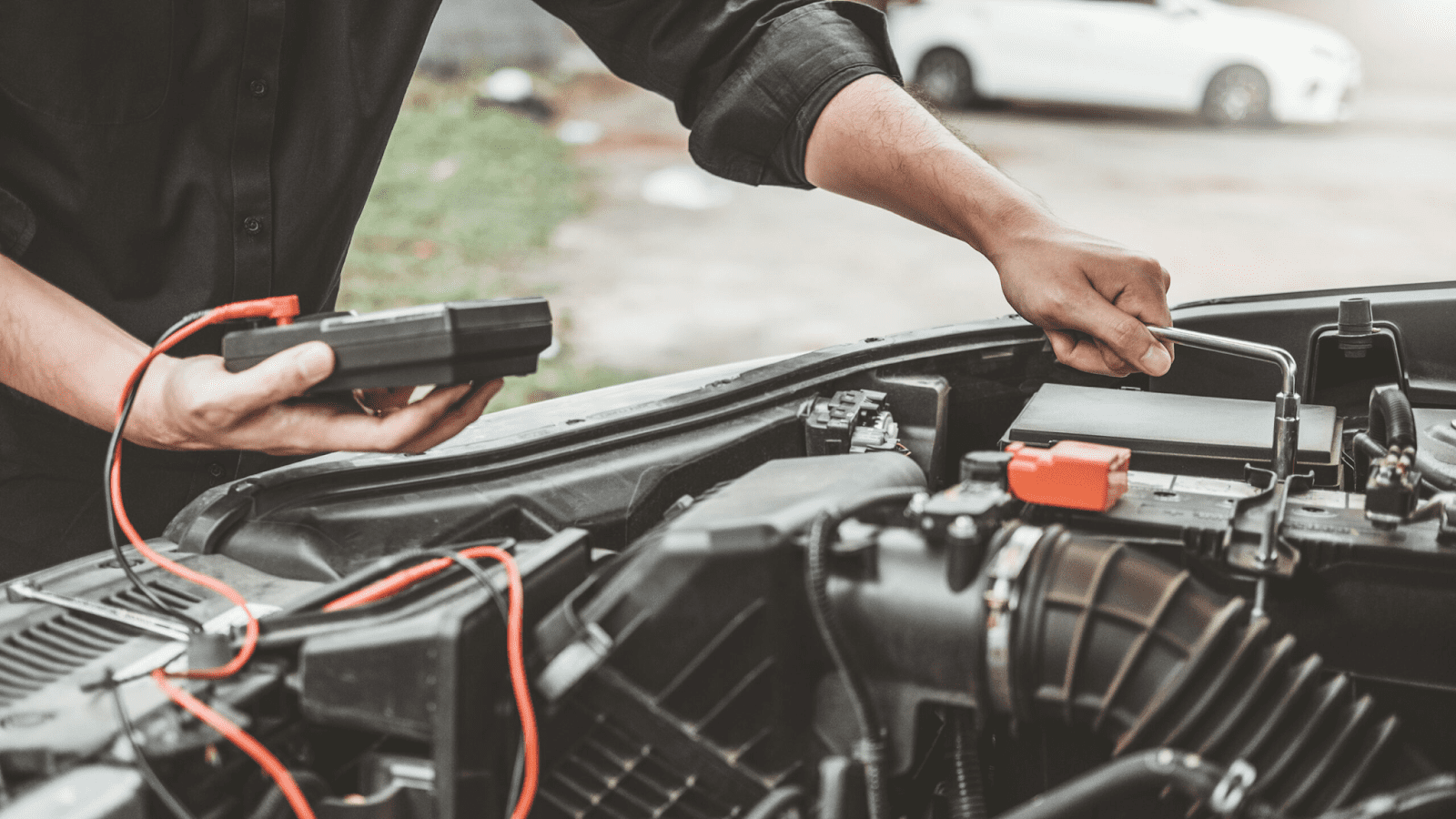
Mechanical problems are one of the most common challenges car owners face, especially as vehicles age. Whether it’s a failing transmission, engine trouble, or recurring electrical issues, mechanical problems can make it difficult to maintain a vehicle and can dramatically reduce its resale value. Many drivers wonder whether it is possible to trade in a car with mechanical problems, and the answer is yes—but there are important considerations to keep in mind.
The first factor to consider is the severity of the mechanical issues. Minor problems, such as a worn-out alternator or brakes needing replacement, can often be repaired relatively affordably, which may increase the trade-in value. On the other hand, major issues like engine failure, transmission problems, or persistent electrical malfunctions can significantly reduce the vehicle’s value and may limit trade-in options.
Dealerships evaluate trade-in vehicles based on both condition and market demand. A car with mechanical problems will typically receive a lower offer than a similar car in good working order. Dealerships take into account the cost of repairs and the potential difficulty of reselling the vehicle. They may deduct the estimated repair costs from the trade-in offer to ensure they can resell the car at a profit.
Even if a vehicle has serious mechanical issues, it is still possible to trade it in. Many dealerships specialize in buying vehicles “as-is,” including those with problems that require major repairs. These dealerships often have access to repair facilities and discounted parts, allowing them to fix the vehicle more efficiently and cost-effectively than individual car owners.
When considering whether to repair mechanical issues before trading in a vehicle, it’s important to compare the cost of repairs to the potential increase in trade-in value. For example, if a car has a transmission problem that costs $3,000 to fix, but the trade-in offer would only increase by $1,500 after the repair, it may be more cost-effective to trade the car in as-is.
Another factor to consider is the age and overall condition of the vehicle. Older vehicles with high mileage are more likely to experience additional mechanical problems in the near future. Investing large amounts of money into repairs for an older vehicle may not be worthwhile. In such cases, trading in the car and applying the value toward a newer or more reliable vehicle may be the smarter long-term decision.
Insurance and warranties can also affect the decision. Some extended warranties or mechanical breakdown policies may cover certain repairs, which could reduce out-of-pocket costs and make repairs before trade-in more appealing. However, these policies typically do not cover all types of damage, so it’s important to review the terms carefully.
Vehicle history reports, such as CarFax and AutoCheck, may not always capture mechanical problems unless they have led to insurance claims or major repairs. However, dealerships will still evaluate the car’s condition thoroughly, so it’s better to provide information proactively rather than letting issues be discovered during inspection.
Getting multiple trade-in quotes can also be beneficial. Different dealerships may have varying policies on purchasing vehicles with mechanical issues, and some may offer better prices than others. Comparing offers allows car owners to make a more informed decision and get the best possible trade-in value.
Ultimately, trading in a car with mechanical problems requires careful evaluation of repair costs, trade-in offers, and the long-term reliability of the vehicle. In many cases, trading in the car as-is may save both time and money, while still providing a path toward a more dependable vehicle.
By understanding how dealerships value vehicles with mechanical issues and exploring multiple trade-in options, car owners can make an informed decision that balances financial considerations with convenience and safety.
