

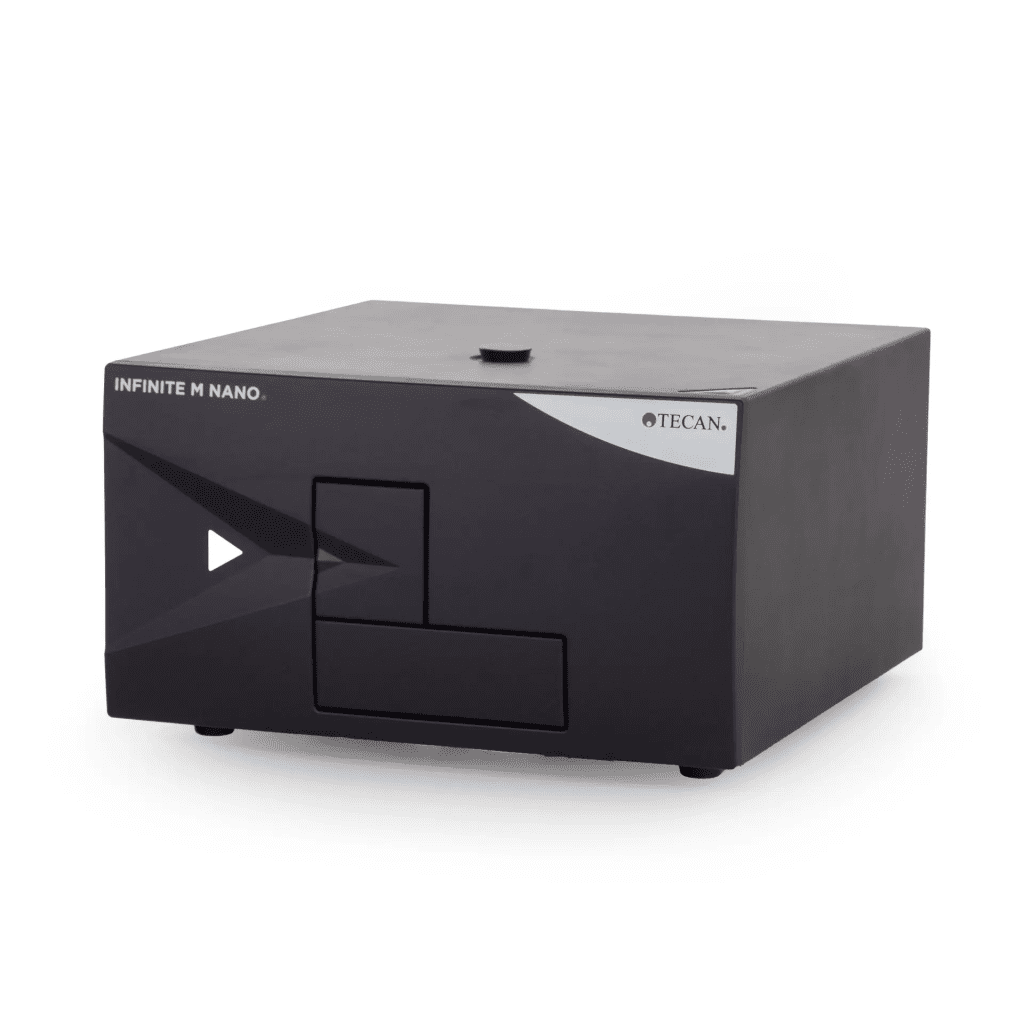
Selecting the right equipment for your scientific research is a critical decision that affects every subsequent result, workflow, and even budget planning in the lab. When it comes to core analytical tools, a multimode microplate reader stands out for its versatility and ability to streamline multiple processes into a single, efficient system. Researchers across a range of disciplines—from drug discovery to biochemical assays—rely heavily on these readers to quantify, analyze, and validate their experiments with speed and reliability.
Adding to the challenge, the market offers numerous models, brands, and configurations, which can be overwhelming without a clear decision framework. Instead of feeling pressured by choice, lab managers and decision-makers can benefit from comparing practical features and performance parameters that matter most to their lab operations. This guide offers in-depth insights into each critical feature, combining information on both new and refurbished microplate readers, and explores certified automated microplate readers for those seeking budget efficiency with uncompromising quality.
Understanding Multimode Microplate Readers and Their Core Functions
A multimode microplate reader integrates multiple detection technologies, such as absorbance, fluorescence, and luminescence, into a single compact instrument. These systems enable users to perform a wide range of assays, making them ideal for labs that frequently switch between detection methods or run multiple assay types concurrently.
Whether you handle routine ELISA tasks or complex kinetic studies, the ability to toggle between detection modes boosts productivity and helps maintain consistency across different protocols. The reader’s flexibility minimizes the need for multiple single-mode devices, simplifying workflow management and making it indispensable for modern laboratories.
Detection Modes and Sensitivity Range
Detecting even the most minor changes in sample properties often determines the success of your experiments. Multimode microplate readers typically offer absorbance, fluorescence, and luminescence modes, with some advanced models supporting time-resolved fluorescence (TRF), fluorescence polarization, and AlphaScreen assays.
Sensitivity—the limit of detection for a given assay—is determined by the reader’s optical components, detectors, and the underlying technology. Always check the detection limits for your desired assays to ensure optimal performance. Labs dealing with low-concentration samples or rare biomolecules should prioritize readers with high sensitivity and low noise levels, which translates into more reproducible and accurate measurements.
Optical System Design: Filters vs. Monochromators
The optical system is the heart of any multimode microplate reader. Plate readers generally use either monochromators or optical filters to select and detect wavelengths relevant to each assay.
Monochromator-based readers provide precise wavelength selection and tunable flexibility, enabling users to scan across any spectral range without physically swapping filters. This feature is perfect for labs performing a diverse range of assays or working with fluorophores that have nonstandard spectra.
Filter-based readers are more cost-effective and lower-maintenance, generally offering higher sensitivity for routine or luminometric assays. Filters are highly efficient at transmitting light in their designated bandwidth, which enhances signal strength and makes them suitable for labs focusing on standard dyes and luminescent assays.
Key Considerations:
- Select monochromators for flexibility, future assay expansion, and spectral scanning capabilities.
- Prefer filters for maximum sensitivity, cost efficiency, and routine applications.
Throughput and Plate Compatibility
Modern research facilities often process hundreds or thousands of samples in a single analytical run. Throughput—the number of plates or samples a reader can process over a given period—is vital for high-volume labs, especially those engaged in drug screening, genomics, or compound profiling.
Plate compatibility varies across instruments, with some supporting formats as dense as 3456 wells, while others are limited to 96 or 384 wells. The ability to handle various plate types and formats provides labs with the flexibility to adapt assays without the need for multiple readers.
Checklist for Throughput and Compatibility:
- Verify the plate formats (6, 24, 96, 384, 1536, 3456 wells) supported by your reader.
- Investigate options for plate stackers or autosamplers if high-throughput or automation is desired.
Speed and Data Acquisition Capabilities
The speed at which a multimode microplate reader performs measurements can have a direct impact on scientific workflows, particularly for kinetic assays, rapid screening, or time-sensitive experiments. Fast data acquisition ensures that reactions are monitored in real-time and lab schedules remain efficient.
Key speed factors:
- Number of detectors: Multiple detectors speed up signal collection and boost efficiency when analyzing multiplexed assays.
- Optics configuration: The power of the lamp (e.g., xenon flash) and the design of the optical path influence how quickly data can be gathered.
- Software processing: Instrument firmware should be optimized to transfer and process large volumes of data from multiple wells simultaneously.
Software Interface and Data Management
The best hardware can be hampered by clunky or unintuitive software. Modern multimode microplate readers typically come with user-friendly interfaces, powerful data analysis tools, and integration options for laboratory information management systems (LIMS).
Features to look for:
- Intuitive operation with minimal training requirements for multi-user labs.
- Customizable protocols and automation options for complex assays.
- Robust data management with secure storage, export functionalities, and compatibility with third-party analysis software.
Effective data management not only enhances productivity but also ensures compliance and reproducibility in regulated laboratory settings.
Assay Flexibility and Future Scalability
Science rarely stands still. Multimode microplate readers that are modular and upgradeable enable labs to adapt to new research directions, assay formats, and detection technologies.
Scalability factors:
- Modular architecture: Look for readers that allow you to add detection modes or upgrade components without needing to purchase a new device.
- Assay customization: The ability to tweak detection wavelengths, plate formats, and methods post-purchase expands the utility and lifespan of your investment.
- Integration readiness: Compatibility with third-party automation platforms and robotic systems increases future workflow options.
Maintenance, Calibration, and Reliability
High-end laboratory tools need regular maintenance to ensure reproducible results. Calibration protocols, reliability assurances, and available servicing support become essential factors—especially for busy labs with limited downtime tolerance.
Things to check:
- Ease of routine maintenance and calibration.
- Availability of warranty, repair, and service contracts, ideally from reputable suppliers with quality assurance processes.
- Reliability guarantees and documented test procedures for refurbished or pre-owned instruments.
Certified vendors, such as Copia Scientific, provide rigorous refurbishment and quality testing, offering pre-owned microplate readers that meet or exceed the original manufacturer’s specifications and include warranty coverage for peace of mind.
Certified Pre-Owned Options for Budget Efficiency
Laboratory budgets rarely grow as fast as research ambitions. Refurbished microplate readers—especially those sold as “certified pre-owned”—offer substantial savings, often costing 35–50% less than new units while maintaining high performance standards.
Benefits of Certified Pre-Owned Microplate Readers:
- Thorough mechanical and electronic evaluation.
- Replacement of worn parts with manufacturer-approved components.
- Calibration and performance testing to match OEM specifications.
- Warranty coverage, often with options for extended protection.
- Documented quality control for research readiness.
Choosing certified pre-owned instruments, specifically automated microplate readers that have undergone a reliable certification process, is a smart strategy for labs aiming to maximize value without sacrificing quality.
Comparing Leading Multimode Reader Brands
Multiple brands and models compete in the multimode microplate reader market, each offering unique benefits suited for different budgets and assay types.
| Brand & Model | Detection Modes | Optical System | Well Compatibility | Key Advantages | Price Estimate |
| Thermo Fisher Varioskan Lux | Absorbance, Fluorescence, AlphaScreen, TRF | Modular: Filters/Monochromators | 6–384 | High-throughput, modular upgrades, kinetic options | $14,999 |
| Agilent BioTek Synergy H1 | Absorbance, Fluorescence, Luminescence | Hybrid Monochromator/Filters | Up to 384 | Variable bandwidth, versatile configuration | $19,444 |
| Tecan Infinite 200 PRO | Absorbance, Fluorescence, Luminescence | Dual Monochromators/Filters | Up to 384 | Multiplex capability, modular design | $10,746 |
| BMG Labtech FLUOstar Omega | Luminescence, Fluorescence, TRF, FP, Absorbance | Filters, spectrometer | 6–384 | High sensitivity, multiple assay support | $13,678 |
| Molecular Devices SpectraMax i3X | Fluorescence, Absorbance, Luminescence | Filters, Monochromator | Upto 1536 | Advanced optics, superior sensitivity | $19,999 |
Assessing brands is about more than specs. Modern brands, including Copia Scientific, focus on delivering certified pre-owned instruments with the same reliability and performance as brand-new devices, making them excellent candidates for labs that require dependable equipment within strict budgets.
Making a Data-Driven Choice for Reliable Results
The right multimode microplate reader transforms lab productivity, data quality, and research outcomes. Comparing detection modes, optical systems, throughput, flexibility, and support options enables managers to select instruments tailored to both current and future needs—not just the latest technology trends.
For laboratories seeking reliability and efficiency with tight budgets, certified automated microplate readers from Copia Scientific are a compelling choice. Every certified pre-owned instrument undergoes strict verification, calibration, and performance validation, ensuring your assays remain reproducible and precise. Copia’s unique certification process and OEM-quality standards enable labs to confidently invest in automated microplate readers, unlocking seamless workflow automation and saving costs without compromising research integrity.
Your Trusted Partner for Certified Automated Microplate Readers
Making informed decisions about core lab equipment sets the stage for meaningful scientific achievements. Copia Scientific offers a smarter, sustainable, and budget-friendly alternative with its range of certified pre-owned multimode microplate readers and automated microplate readers. Backed by rigorous certification protocols and comprehensive support, Copia empowers every laboratory to reach new heights in productivity, reliability, and innovation.
Ready to future-proof your lab and maximize your investment? Contact Copia Scientific today for expert guidance and access to certified automated microplate readers that deliver results you can trust. Unlock performance, value, and support—all in one solution.
