
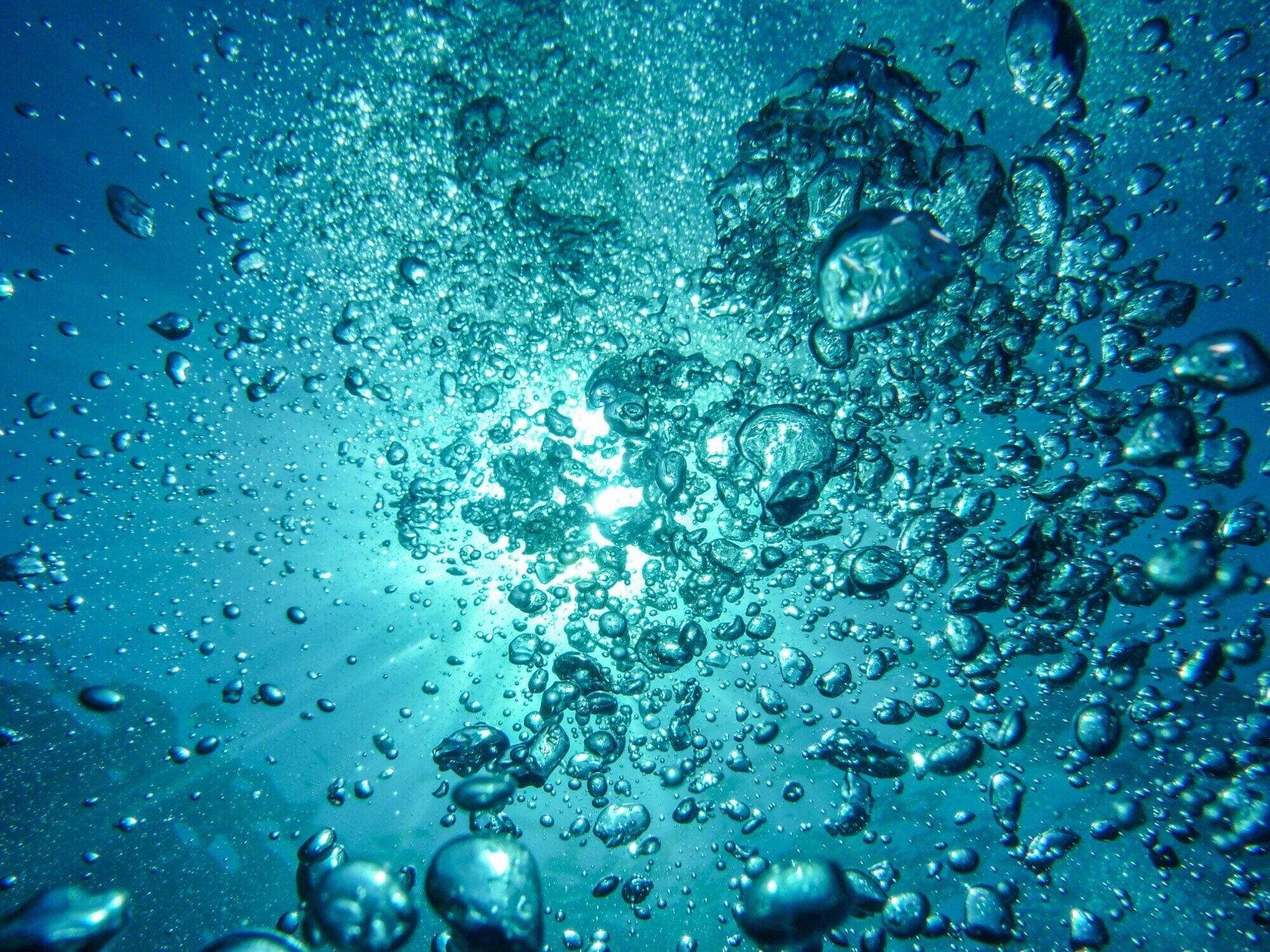
Water is one of the most valuable resources on Earth. However, with increasing demand and limited supply, the need for smarter water use is growing. That’s where water recycling comes in.
Water recycling allows used water to be cleaned and reused safely. This process supports both people and the planet by cutting waste and conserving resources. It’s a powerful way to practice sustainable water management.
In this article, we’ll explore the top 7 benefits of implementing water recycling. Each benefit shows how this system improves our environment, saves money, and supports long-term growth.
1. Promotes Sustainable Water Management
Water recycling supports sustainable water management by making the most out of every drop. Instead of letting used water go to waste, it’s cleaned and reused safely. This approach keeps communities prepared for water shortages.
It also helps maintain a stable water supply even during droughts. With advanced treatment systems, recycled water can meet high-quality standards. This makes it safe for many non-drinking applications.
By reusing treated water, cities and industries can reduce their dependence on natural water sources. It creates a balanced and sustainable water cycle. That’s a long-term solution to a global problem.
A Reliable Water Source in Any Season
Recycled water is a dependable source that remains available throughout the year. Unlike rain or natural water sources, it isn’t affected by seasonal changes. This stability helps ensure water availability during dry seasons or emergencies.
2. Reduces Environmental Impact
Implementing water recycling reduces pollution and protects natural habitats. It prevents contaminated water from entering rivers, lakes, and oceans. As a result, aquatic life and ecosystems thrive.
This practice also supports environmental sustainability by reducing the need to extract more freshwater. Less extraction means less stress on rivers and groundwater sources. Over time, it helps preserve delicate ecosystems.
Water recycling aligns with eco-friendly solutions that aim to protect nature. It’s a responsible way to use resources without causing harm. Every recycled gallon counts toward a cleaner planet.
Protecting Natural Resources
By reusing water, we cut down the need for new water extraction. This helps preserve water in natural reserves. Protecting these sources ensures they remain available for future generations.
3. Supports Water Conservation
One of the biggest benefits of water recycling is its role in water conservation. It allows homes, businesses, and cities to reuse treated water instead of wasting it. This helps preserve limited freshwater supplies.
Even small-scale systems can make a big difference over time. Recycled water can be used for irrigation, toilet flushing, or industrial processes. These uses significantly cut down on the demand for new water.
With more people adopting this practice, communities can become water-efficient. Conservation through recycling is a simple yet powerful act. It’s a vital part of ensuring global water security.
Smarter Water Use Every Day
Water recycling encourages mindful water usage in daily life. It makes people aware of how much water they use and waste. This awareness leads to lasting conservation habits.
4. Saves Money and Reduces Operating Costs
Using recycled water can lower utility bills and maintenance expenses. Industries and municipalities save money by reusing treated water instead of buying more. Over time, the savings become significant.
For businesses, especially in manufacturing or agriculture, this translates to major cost reductions. Installing a wash water recycling system can help reduce operational costs while meeting regulatory standards. It’s a smart investment with long-term financial benefits.
In addition, water recycling reduces wastewater disposal costs. Less water sent to treatment plants means fewer fees. This makes recycling both eco-friendly and cost-effective.
Lower Bills, Higher Efficiency
By reusing water, companies can operate more efficiently. They save on water purchases and wastewater disposal fees. The savings can then be redirected toward other sustainability projects.
5. Improves Wastewater Treatment Efficiency
Water recycling plays a key role in improving wastewater treatment processes. It lightens the load on treatment plants by reducing the volume of water that needs to be processed. This leads to faster and more efficient operations.
Treatment plants can focus on higher-quality results instead of large quantities. The system works better, lasts longer, and requires less energy. That’s a big advantage for both cities and industries.
By enhancing wastewater management, we also reduce the risk of pollution. Clean, treated water can safely return to the environment or be reused. It’s a win for both people and nature.
Extending System Lifespan
When less water needs to be treated, systems experience less wear and tear. This helps extend equipment lifespan. Maintenance costs also drop, keeping the entire process more sustainable.
6. Encourages Industrial Water Reuse
Industries are among the top users of water worldwide. Implementing industrial water reuse through recycling reduces their dependence on freshwater. It helps them meet environmental goals and save money.
Factories can reuse treated water for cleaning, cooling, or production processes. This reduces waste and boosts operational efficiency. It’s a practical and responsible approach to resource management.
Water recycling also helps industries comply with environmental regulations. It shows commitment to corporate responsibility. Businesses that recycle water often earn a stronger reputation for sustainability.
Creating a Greener Industry
Recycling water helps industries become greener and more efficient. It lowers their water and carbon footprint. This change benefits both the company and the environment.
7. Helps in Reducing Water Waste
One of the most direct advantages of water recycling is reducing water waste. Instead of letting used water go down the drain, it gets a new purpose. This reduces the amount of wasted clean water every day.
When recycling is practiced on a large scale, the impact is impressive. Cities can reuse millions of gallons of water that would otherwise be lost. This helps maintain a balanced water system.
By minimizing waste, we preserve more water for the future. Recycling makes sure every drop counts. It’s a simple yet powerful step toward sustainability.
Making Every Drop Count
Water recycling turns waste into value. It ensures that no water goes unused when it can be reused safely. This mindset shift promotes lasting conservation habits.
Embrace Water Recycling for a Cleaner and More Resilient World
Water recycling is a smart way to use our resources wisely. It helps reduce waste and protect the environment. Communities and businesses benefit from cleaner and more efficient water use.
By practicing water recycling, we secure water for the future. It supports sustainability and lowers costs. Every effort made today helps create a greener and safer planet for all.
Did you find this article helpful? Visit more of our blogs.