
The Himalayas stand as Earth’s ultimate playground for adventure travellers, a magnificent arc of snow-capped peaks stretching across Nepal, India, Bhutan, and Tibet. This ancient mountain range has drawn explorers, mountaineers, and trekkers for generations, offering everything from gentle village walks to extreme high-altitude expeditions. While the Himalayas span multiple countries, Nepal remains the undisputed heart of trekking, home to eight of the world’s fourteen highest peaks and an unmatched network of trails that weave through diverse landscapes and cultures.
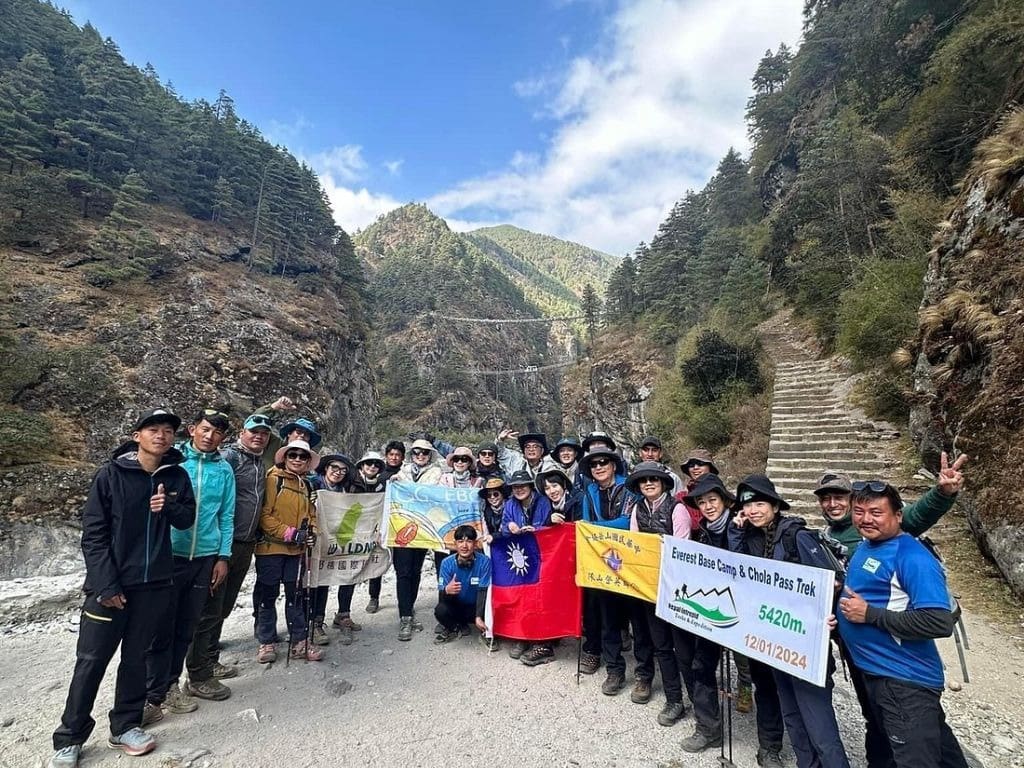
This guide explores ten bucket-list Himalayan treks that every adventure traveller should experience at least once, covering difficulty levels, unique highlights, and what makes each journey truly special. Whether you’re a first-time trekker or a seasoned mountain enthusiast, these routes promise transformative experiences among the world’s most spectacular peaks.
How to Choose the Right Himalayan Trek
Before lacing up your boots and heading to the mountains, taking time to match your trek choice with your abilities and circumstances ensures a rewarding rather than overwhelming experience.
Know Your Fitness Level & Experience
Understanding where you stand on the trekking experience spectrum is crucial for selecting the right route. Beginner trekkers should look for shorter treks at moderate altitudes with good infrastructure and support systems. If you’re an intermediate trekker with some multi-day hiking experience, you can tackle longer routes with more elevation gain and basic teahouse accommodations. Advanced trekkers who’ve successfully completed high-altitude journeys can push boundaries with remote circuits, technical passes, and expeditions requiring self-sufficiency. First-timers to high altitude should be especially cautious, as altitude sickness doesn’t discriminate based on fitness levels. Even marathon runners can struggle above 4,000 meters if they ascend too quickly, so choosing treks with proper acclimatization schedules becomes paramount.
Time You Have Available
Your available vacation time significantly narrows trek options. Short treks spanning three to six days work perfectly for those with limited time off or wanting to test the waters before committing to longer expeditions. Medium-length treks of seven to twelve days represent the sweet spot for many travellers, offering substantial mountain experiences without requiring extended leave. Long expeditions of fourteen days or more suit adventurers with flexible schedules or those combining multiple destinations into a single journey. Remember to factor in travel days to and from trailheads, as well as buffer days for weather delays or rest.
Weather & Best Season
Timing your trek around Himalayan weather patterns can make the difference between magical and miserable experiences. The pre-monsoon season from March to May brings warming temperatures, blooming rhododendrons, and increasingly clear views as the season progresses, though afternoon clouds become more common. The post-monsoon window from September to November offers the most stable weather, crystal-clear mountain views, and comfortable temperatures, making it the most popular trekking season. Winter and off-season treks are possible on lower-altitude routes but require careful planning and appropriate gear for cold conditions and potential trail closures.
If you’re especially interested in Nepal, this Ultimate Guide to Trekking in Nepal covers routes, seasons, permits, packing, and planning in one place.
Top 10 Himalayan Treks Every Adventure Traveller Should Try
1. Everest Base Camp Trek (Nepal)
Region: Khumbu/Everest region, Nepal
Duration: 12–14 days
Difficulty: Moderate to challenging (due to altitude)
The Everest Base Camp trek represents the pinnacle of bucket-list adventures, drawing thousands of trekkers annually to the base of the world’s highest mountain. This iconic journey begins with a spectacular flight into Lukla’s hillside airport, immediately immersing you in the Sherpa heartland. As you trek higher through the Dudh Kosi valley, each day brings new perspectives on legendary peaks including Everest, Lhotse, Nuptse, and the dramatic pyramid of Ama Dablam.
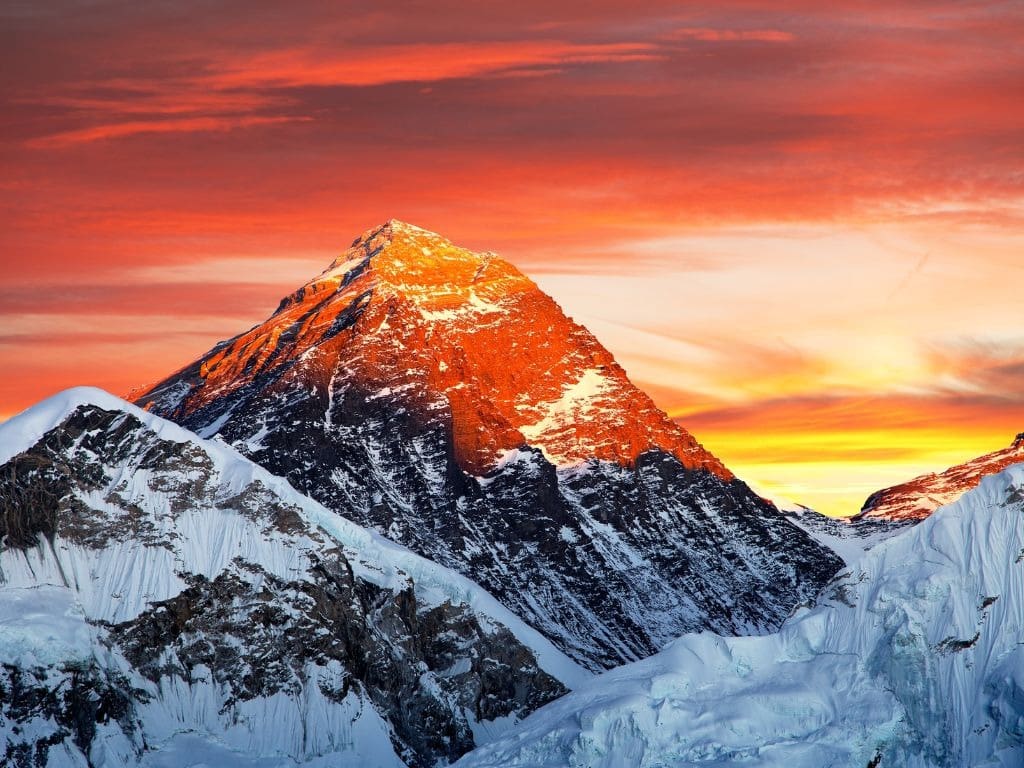
The trail passes through vibrant Namche Bazaar, the Sherpa capital where trekkers acclimatize while exploring colorful markets and bakeries. Tengboche Monastery provides a spiritual highlight, where morning prayers echo against Himalayan vistas. The teahouse infrastructure along this route is exceptional, offering comfortable lodges, diverse menu options, and the camaraderie of fellow trekkers from around the globe.
Why Every Adventure Traveller Should Do It: Beyond the obvious bragging rights of reaching Everest Base Camp, this trek offers a perfect introduction to high-altitude trekking with excellent support systems, experienced guides, and well-maintained trails. The deep immersion in Sherpa culture, from mani walls to Buddhist monasteries, adds profound cultural dimensions to the physical challenge. Standing at base camp surrounded by the Khumbu Icefall and watching climbing expeditions prepare for summit attempts creates unforgettable moments that justify every challenging step.
2. Annapurna Circuit Trek (Nepal)
Region: Annapurna region
Duration: 12–18 days (flexible)
Difficulty: Moderate to challenging (Thorong La Pass 5,416m)
The Annapurna Circuit earns its reputation as one of the world’s classic long-distance treks through sheer diversity of landscapes and cultures. This circumnavigation of the Annapurna massif takes trekkers from subtropical lowland forests filled with banana trees and rice terraces through temperate zones of rhododendron and pine, eventually climbing into the high-altitude desert landscapes reminiscent of Tibet.
The crossing of Thorong La Pass at 5,416 meters represents the trek’s ultimate challenge and triumph, offering 360-degree panoramas of Annapurna, Dhaulagiri, and countless other peaks. The descent leads to the sacred pilgrimage site of Muktinath before continuing through the deepest gorge on Earth, the Kali Gandaki valley. Along the way, you’ll encounter an incredible cultural mix as Gurung villages give way to Thakali settlements and eventually Tibetan-influenced communities complete with gompas and prayer flags.
Why It’s Unmissable: Few treks in the world pack such extreme geographical and cultural variety into a single journey. The circuit’s flexibility allows trekkers to customize their experience based on time and energy levels, with options to shorten or extend the route. Road construction has changed some sections, but the trek remains an extraordinary adventure that showcases why Nepal is called the roof of the world.
3. Annapurna Base Camp Trek (Nepal)
Region: Annapurna Sanctuary
Duration: 7–10 days
Difficulty: Moderate
For trekkers seeking big-mountain drama without extended time commitments, the Annapurna Base Camp trek delivers spectacular rewards. This route follows a natural bowl or amphitheater carved by glaciers, gradually ascending through terraced farmland and dense forests before emerging into the high sanctuary surrounded by towering peaks on all sides.
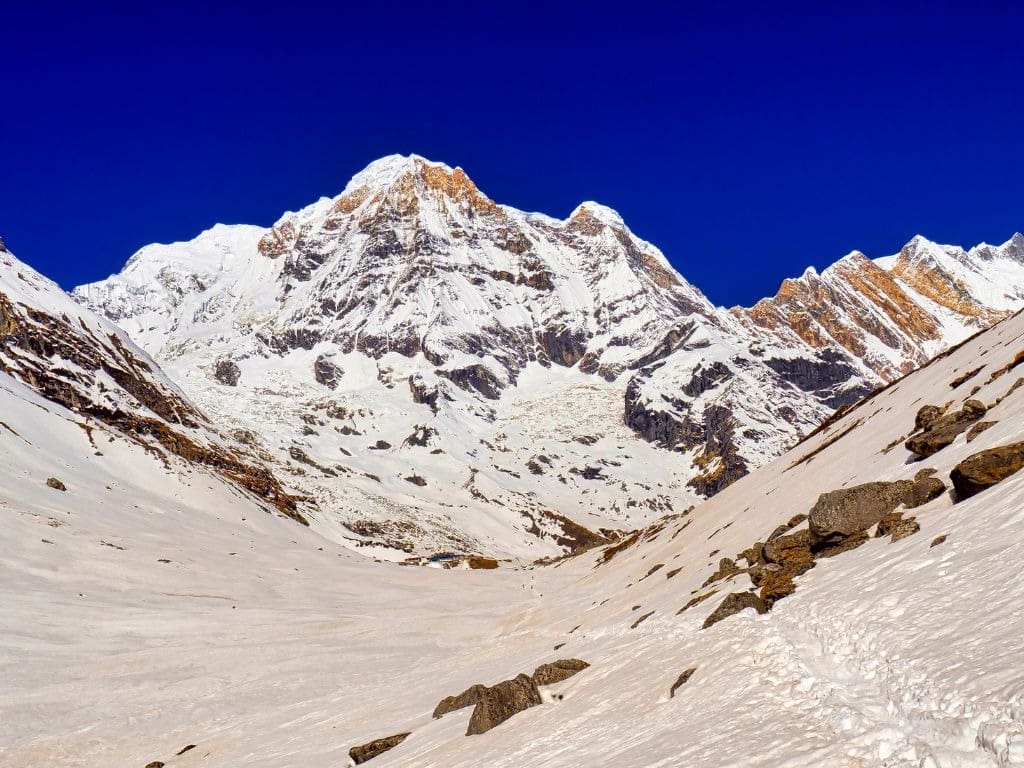
The final approach to base camp feels like entering a natural cathedral, with Annapurna I (8,091m), Annapurna South, Hiunchuli, and the sacred fish-tail peak of Machhapuchhre forming an almost 360-degree wall of ice and rock. Dawn at base camp, when first light illuminates the surrounding peaks in shades of pink and gold, ranks among trekking’s most powerful experiences. The descent through rhododendron forests provides a gentle comedown from the high-altitude intensity.
Best For: This trek perfectly suits adventure travellers with one to two weeks available who still want the rush of standing in a genuine base camp surrounded by 7,000 and 8,000-meter peaks. The moderate difficulty makes it accessible to fit trekkers without previous high-altitude experience, while the teahouse accommodations ensure comfort after challenging days on the trail.
4. Langtang Valley Trek (Nepal)
Region: Langtang National Park
Duration: 6–8 days
Difficulty: Easy to moderate
The Langtang Valley trek offers a more intimate Himalayan experience, taking trekkers into a beautiful valley that feels worlds away from more crowded routes despite being relatively close to Kathmandu. This region tragically suffered massive damage in the 2015 earthquake, but the remarkable resilience of local communities has seen trails rebuilt and lodges reopened, welcoming trekkers back to this stunning landscape.
The trek follows the Langtang River through forests of oak, maple, and rhododendron before emerging into high yak pastures dotted with stone houses and Buddhist chortens. Kyanjin Gompa serves as the high point, a monastery settlement offering spectacular sunrise views over Langtang Lirung and opportunities for side trips to viewpoints or the Langtang Glacier. The cultural experience here blends Tamang and Sherpa traditions, with cheese factories, prayer wheels, and warm hospitality defining the trek.
Why It’s Special: For trekkers wanting an off-the-beaten-path feel without venturing into truly remote wilderness, Langtang hits the sweet spot. The relatively short duration and easy access from Kathmandu make it ideal for those with limited time or testing their appetite for longer treks. Supporting this region through tourism also contributes meaningfully to communities rebuilding after devastating natural disasters.
5. Manaslu Circuit Trek (Nepal)
Region: Gorkha/Manaslu region
Duration: 12–16 days
Difficulty: Challenging (Larke La Pass 5,160m)
The Manaslu Circuit represents the next step for trekkers who’ve completed the Annapurna Circuit and seek similar adventures with fewer crowds. This restricted area requires special permits and circling the world’s eighth-highest mountain through landscapes that feel genuinely wild and remote. The trail passes through only a handful of settlements, crossing dramatic suspension bridges and climbing through forests before reaching the Tibetan-influenced villages of the upper valley.
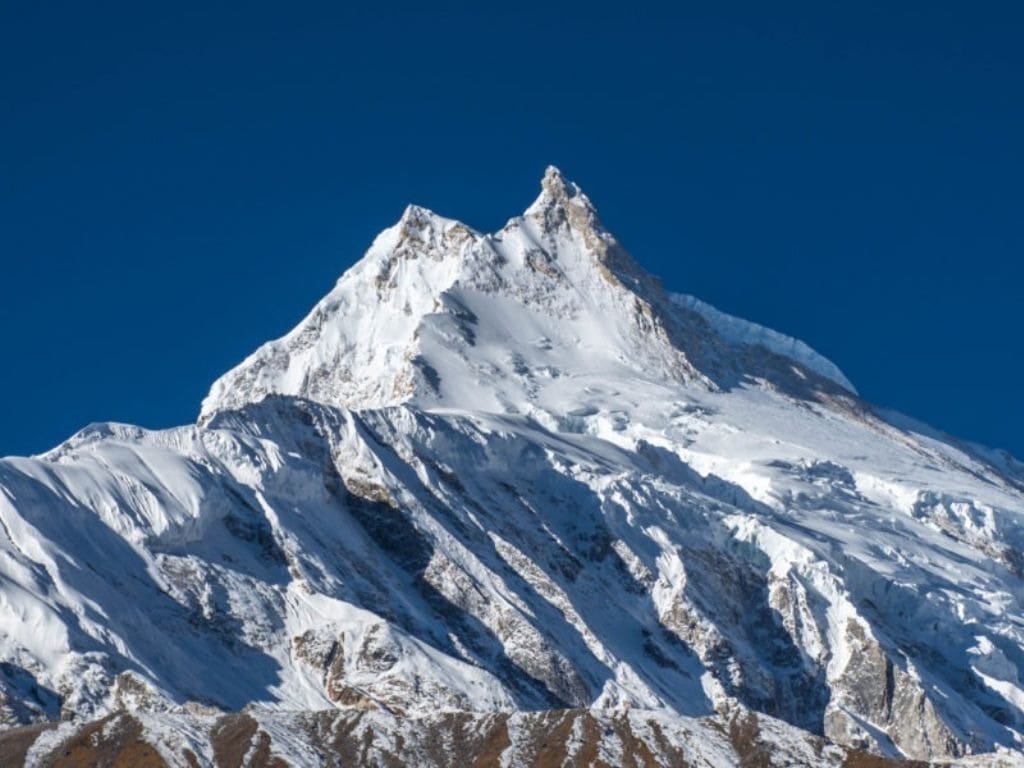
Buddhist culture dominates the higher reaches, with elaborate monasteries, mani walls stretching for kilometers, and prayer flags fluttering from every ridge. The crossing of Larke La Pass at 5,160 meters demands respect, often involving predawn starts to cross before afternoon weather moves in. The descent reveals stunning views of Manaslu’s north face and leads into the Annapurna region, completing a remarkable circuit.
Ideal For: Experienced trekkers seeking wilderness, cultural immersion, and the satisfaction of completing a challenging circuit far from tourist crowds will find Manaslu deeply rewarding. The trail’s remoteness means fewer amenities and more basic accommodations, but these limitations become part of the authentic adventure that defines this spectacular region.
6. Gokyo Lakes Trek (Nepal)
Region: Everest region
Duration: 10–13 days
Difficulty: Moderate to challenging
The Gokyo Lakes trek offers an alternative Everest-region experience, trading the crowds heading to base camp for the serene beauty of turquoise high-altitude lakes nestled beneath massive peaks. The trek follows the classic Everest route initially before branching west into the Gokyo valley, where a series of sacred lakes shimmer against backdrops of ice and stone.
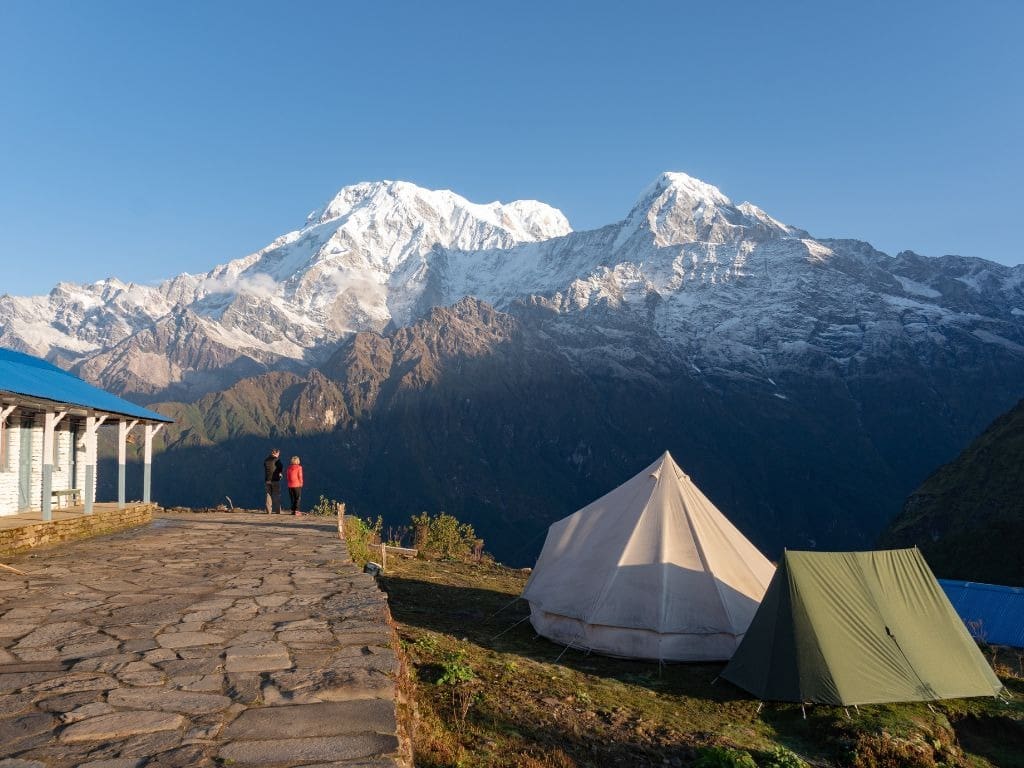
The ascent of Gokyo Ri (5,357m) provides the trek’s pinnacle moment, with panoramic views encompassing Everest, Lhotse, Makalu, and Cho Oyu (four of the world’s six highest peaks), plus the massive Ngozumpa Glacier flowing like a frozen river below. The combination of pristine lakes, enormous glaciers, and peak views creates photography opportunities that rival any Himalayan destination.
Why It Belongs on This List: For trekkers who’ve done Everest Base Camp or want a slightly less crowded alternative with equally spectacular rewards, Gokyo delivers magnificently. Many trekkers now combine Gokyo with Everest Base Camp via the Cho La Pass, creating an extended circuit that captures the best of the Khumbu region.
7. Three Passes Trek (Nepal)
Region: Everest region
Duration: 16–20 days
Difficulty: Very challenging
The Three Passes trek represents the ultimate Everest-region challenge, combining Everest Base Camp and Gokyo Lakes while crossing three high passes that each exceed 5,300 meters. This epic circuit crosses Kongma La, Cho La, and Renjo La, each pass offering unique perspectives on the surrounding peaks and demanding physical and mental toughness from trekkers.
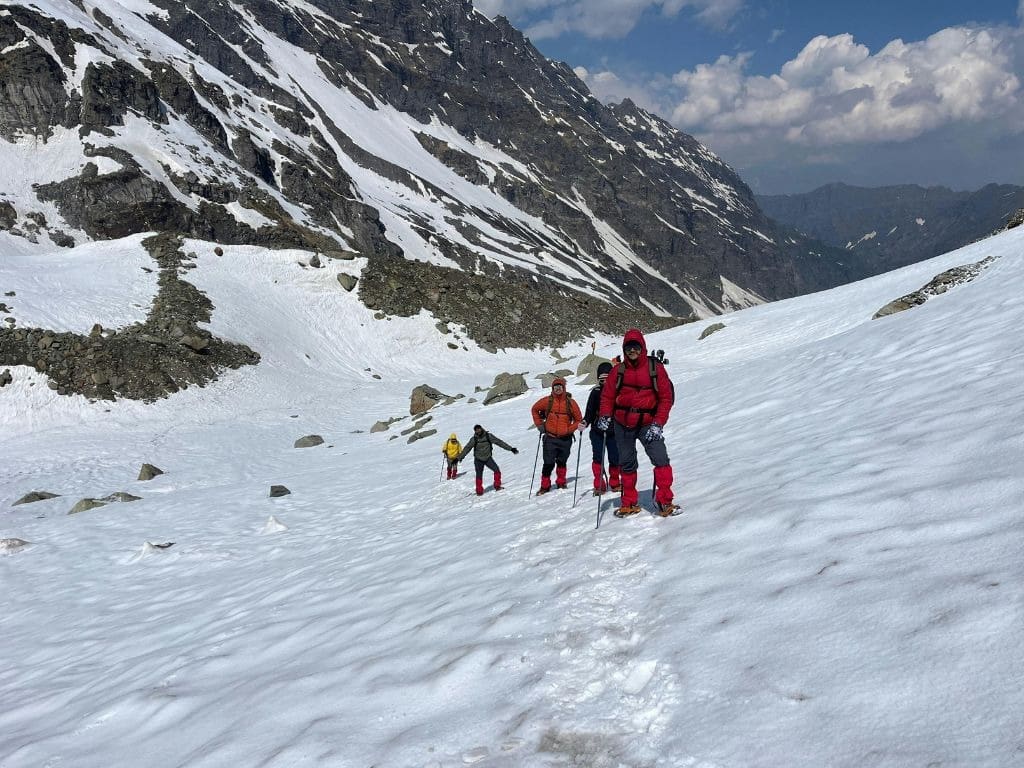
Beyond the obvious physical challenges, this trek ventures into remote valleys and ridges rarely visited even by Everest trekkers. The constantly changing perspectives on familiar peaks like Ama Dablam, Everest, and Lhotse provide fresh appreciation for their scale and beauty. Days are long and demanding, often starting before dawn for pass crossings and ending with steep descents to distant villages.
Best For: Hardcore adventure travellers who want to push their limits while exploring the Everest region comprehensively will find the Three Passes trek incredibly satisfying. This journey requires excellent fitness, previous high-altitude experience, and the flexibility to adjust plans based on weather and acclimatization needs. The sense of accomplishment upon completing all three passes ranks among trekking’s greatest achievements.
8. Ghorepani Poon Hill Trek (Nepal)
Region: Annapurna region
Duration: 3–5 days
Difficulty: Easy to moderate
The Ghorepani Poon Hill trek proves that spectacular Himalayan experiences don’t require weeks of commitment or extreme difficulty. This short trek has become legendary for its sunrise views from Poon Hill, where Dhaulagiri, Annapurna, and Machhapuchhre glow in the early morning light while trekkers huddle with hot tea watching the spectacle unfold.
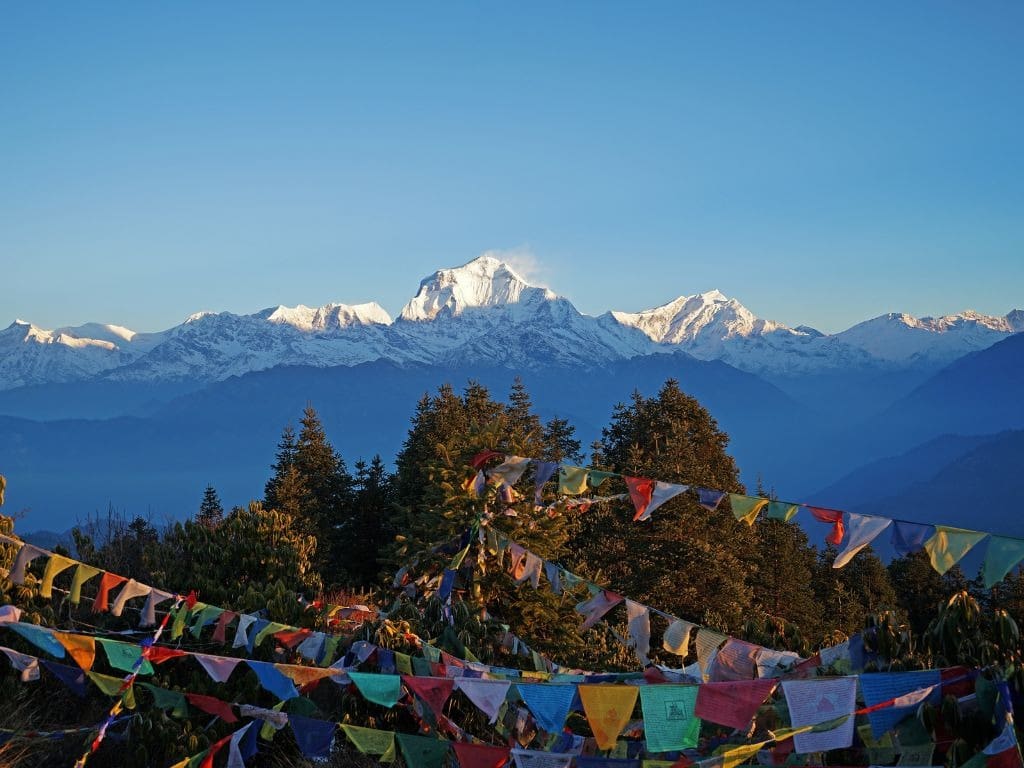
The trail climbs through beautiful stone-step staircases lined with rhododendron forests that explode with color during spring blooms. Traditional Gurung and Magar villages offer authentic cultural experiences, with homestays and teahouses providing comfortable bases for exploring the surrounding hills. Despite its short duration and relative ease, the trek delivers genuine Himalayan moments and stunning mountain panoramas.
Why It’s a Must-Do: This trek serves as the perfect introduction to Himalayan trekking for beginners, families with older children, or anyone with limited time wanting a taste of Nepal’s mountains. The infrastructure is excellent, the trails are well-maintained, and the rewards far exceed the modest effort required. Many trekkers use Poon Hill as their first Himalayan experience, often returning for longer and more challenging adventures after catching the mountain bug.
9. Mardi Himal Trek (Nepal)
Region: Annapurna region
Duration: 4–7 days
Difficulty: Moderate
The Mardi Himal trek represents Annapurna region trekking’s best-kept secret, a relatively new route that offers incredible mountain views without the crowds found on more established trails. This ridge-line trek climbs through forests and across exposed ridges, with the sacred peak of Machhapuchhre (Fishtail) dominating views throughout the journey.
The high camp sits in an alpine amphitheater surrounded by massive peaks, with Mardi Himal, Hiunchuli, and the Annapurna range creating an overwhelming display of Himalayan grandeur. The teahouses remain simple and authentic, adding to the off-the-beaten-path atmosphere that makes this trek feel like a genuine discovery. The relatively short duration makes it ideal for combining with other activities or treks in the Pokhara area.
Ideal For: Trekkers seeking a less-crowded alternative to Poon Hill or Annapurna Base Camp will find Mardi Himal deeply rewarding. The moderate difficulty and shorter duration suit those with limited time or preferring smaller-scale adventures that still deliver powerful mountain experiences and cultural authenticity.
10. Kanchenjunga Base Camp Trek (Nepal Side)
Region: Eastern Nepal
Duration: 18–22+ days
Difficulty: Challenging (remote, long)
The Kanchenjunga Base Camp trek ventures into one of Nepal’s most remote and wild regions, circling the world’s third-highest mountain through landscapes that see only a fraction of the trekkers who visit Everest or Annapurna. This long expedition-style trek requires serious commitment, crossing multiple high passes and spending weeks in areas where modern conveniences disappear entirely.
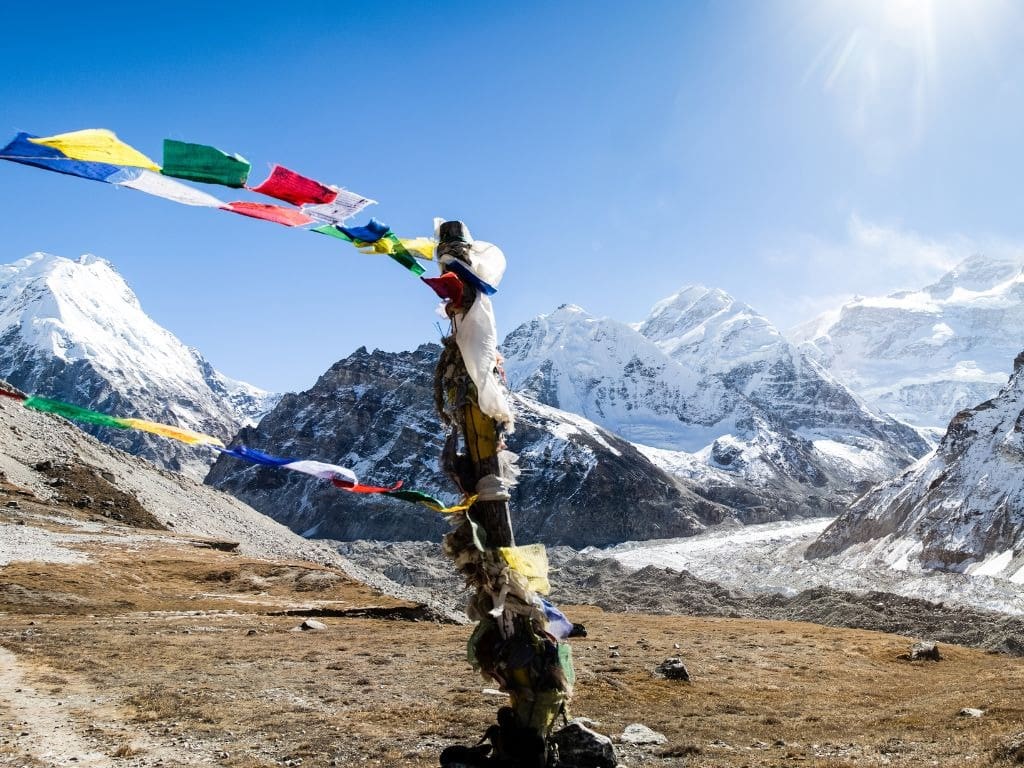
The trek showcases incredible biodiversity, from subtropical forests filled with orchids and rare birds to high-altitude meadows where blue sheep and snow leopards roam. The cultural landscape blends Limbu, Rai, Sherpa, and Tibetan influences, creating unique village experiences far from tourist circuits. Both north and south base camps offer stunning perspectives on Kanchenjunga’s massive walls and hanging glaciers.
Why It’s Bucket List Material: For experienced trekkers who’ve already completed Everest Base Camp, Annapurna Circuit, or similar major treks and want something truly wild and remote, Kanchenjunga represents the ultimate adventure. The logistics are complex, the trail is demanding, and the remoteness is genuine, but these challenges become the very reasons this trek feels like a real expedition into one of Earth’s last wild places.
Honorable Mentions
While Nepal dominates this list for good reason, the broader Himalayas offer other remarkable trekking opportunities worth mentioning. The Indian Himalayas provide exceptional alternatives, including the Markha Valley trek through Ladakh’s high desert landscapes, the mysterious Roopkund trek with its skeleton-filled glacial lake, and Kedarkantha’s winter wonderland appeal. Bhutan’s Druk Path Trek connects ancient dzongs through pristine forests and alpine lakes, though permit requirements and costs place it in a different category than Nepal’s accessible routes.
Practical Tips for Tackling These Treks
Best Time to Trek the Himalayas
Understanding seasonal patterns helps maximize your trekking experience while minimizing weather-related challenges. The pre-monsoon season from March to May offers warming temperatures and blooming vegetation, particularly spectacular in rhododendron zones. Views can be hazier than autumn due to dust and humidity, but trails are less crowded and temperatures more moderate. The post-monsoon window from September to November provides the year’s most stable weather, crystal-clear mountain views, and comfortable temperatures, making it the premium trekking season when trails see peak traffic.
Some treks remain viable in winter or even during monsoon season with appropriate expectations and preparation. Lower-altitude routes like Poon Hill or Langtang can work well in winter for those equipped for cold conditions, while rain-shadow regions like Upper Mustang or Dolpo actually trek best during monsoon months when the rest of Nepal receives heavy rain.
Permits, Guides & Safety
Navigating Nepal’s permit system sounds complicated but becomes straightforward with basic understanding. Most popular treks require TIMS (Trekkers’ Information Management System) cards and national park or conservation area fees, which are easily obtained through trekking agencies or directly in Kathmandu and Pokhara. Restricted areas like Manaslu, Upper Mustang, and Kanchenjunga require special permits and must be trekked with registered agencies.
Hiring local guides and porters enhances safety while supporting mountain communities economically. Experienced guides provide invaluable knowledge about weather patterns, acclimatization strategies, and cultural insights that transform good treks into great ones. Porters free you from heavy loads, allowing focus on the experience rather than just surviving it. Many trekkers initially hesitate to hire support staff but universally report that guides and porters made their treks significantly more enjoyable and safe.
Fitness & Acclimatization
Proper preparation separates enjoyable challenges from miserable struggles. Build cardiovascular endurance through regular hiking, running, or cycling in the months before your trek. Include elevation gain in training by climbing stairs, hiking hills, or using incline settings on treadmills. Leg strength matters more than many realize, so incorporate squats, lunges, and step-ups into your routine.
Acclimatization cannot be rushed or faked, regardless of fitness levels. Follow the golden rule of altitude gain: climb high, sleep low, and never ascend more than 500 meters per night above 3,000 meters. Build rest days into your itinerary, stay well-hydrated, avoid alcohol at altitude, and listen to your body’s warning signs. Acute mountain sickness (AMS) symptoms like headaches, nausea, and dizziness should never be ignored, as descending quickly remains the only reliable treatment if symptoms worsen.
Why Nepal Is the Ideal Launchpad for Himalayan Treks
Nepal’s dominance in Himalayan trekking stems from more than just having eight of the world’s fourteen highest peaks. The country has developed an unmatched network of trails connecting villages and valleys that existed for centuries as trade routes, now serving as trekking highways into the mountains. The teahouse system provides comfortable lodging and meals at regular intervals along major routes, eliminating the need for camping and heavy gear while supporting local economies directly.
The concentration of trekking infrastructure in Kathmandu and Pokhara makes logistics remarkably simple compared to other Himalayan regions. Domestic flights, tourist buses, and private vehicles connect these hubs to trailheads efficiently, while trekking agencies, gear shops, and permit offices cluster together for convenient planning. The well-established guide and porter network means finding qualified, experienced support is straightforward, and the competitive market keeps prices reasonable while maintaining quality.
If Nepal is at the top of your list, this Ultimate Guide to Trekking in Nepal walks you through choosing the right trek, planning your route, permits, packing lists and safety tips.
Conclusion
The Himalayas offer every type of trek imaginable, from gentle three-day walks through rhododendron forests to hardcore three-week expeditions crossing multiple 5,000-meter passes. This diversity ensures that regardless of your fitness level, available time, or previous experience, there’s a perfect Himalayan trek waiting for you. The ten routes highlighted here represent the cream of the crop, each offering unique combinations of natural beauty, cultural richness, and personal challenge that justify their bucket-list status.
Choosing the right trek requires honest assessment of your capabilities and circumstances, but the rewards for matching ambition with ability are immeasurable. Standing at Everest Base Camp, watching the sunrise from Poon Hill, or crossing the Thorong La Pass creates memories and personal growth that last far beyond the physical journey. The mountains will always be there, patient and magnificent, but the right time to start planning your Himalayan adventure is now. Transform your trekking dreams into reality, and join the millions who’ve discovered why these ancient peaks continue drawing adventurers from every corner of the globe.