
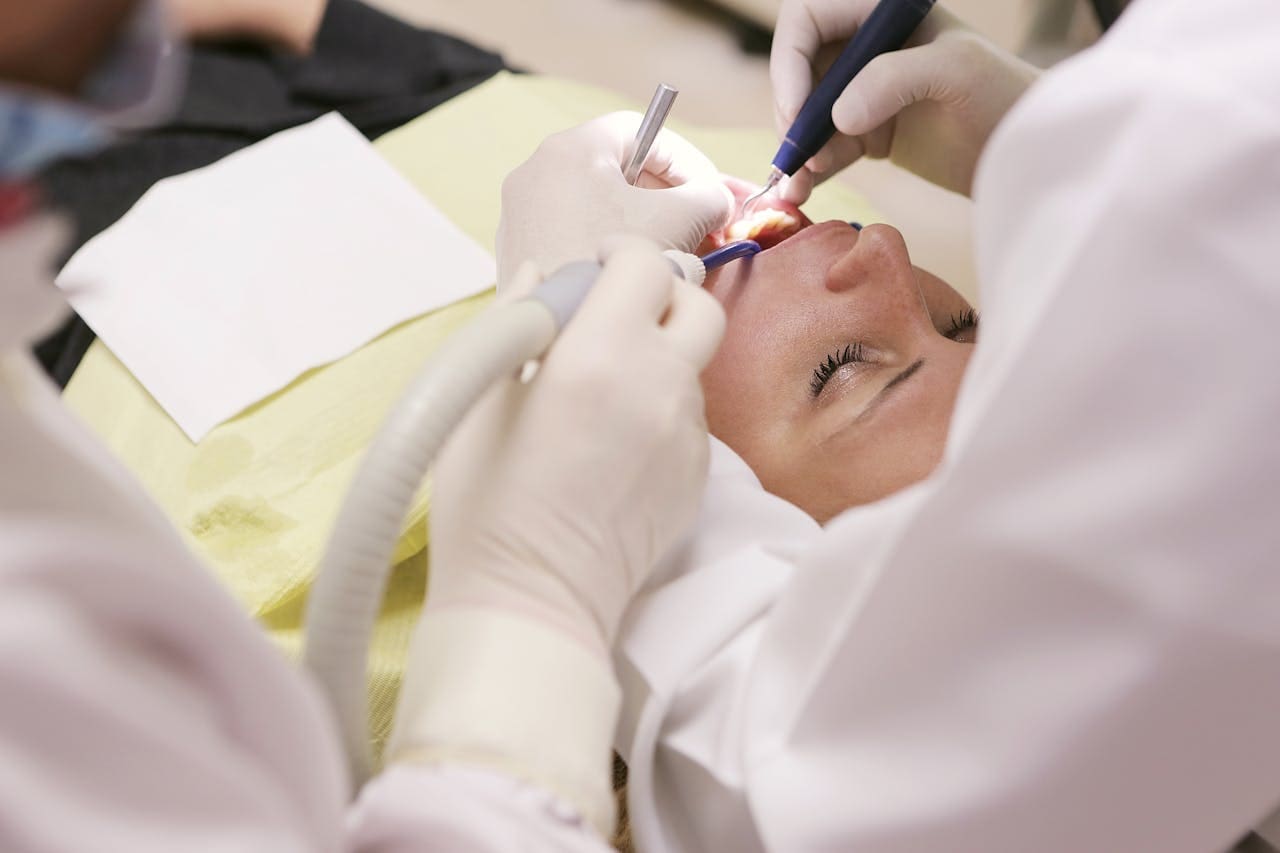
Dental emergencies can happen unexpectedly, whether you wake up with severe tooth pain, experience sudden swelling, or injure a tooth during daily activities. These situations can be alarming, and knowing what to do in the moment is essential. Understanding how to respond to a dental emergency helps protect your oral health, reduces your risk of complications, and ensures that you get the care you need as quickly as possible.
If you’re unsure whether your situation requires urgent attention, this guide breaks down the most common dental emergencies and how to handle them until you can see an emergency dentist in Toronto.
When a Toothache Becomes an Emergency
A mild toothache can sometimes wait for a regular dental appointment, but severe or persistent pain is often a sign that something serious is happening beneath the surface.
Tooth pain may be caused by:
- Deep tooth decay
- A cracked tooth
- An infection or abscess
- A damaged filling
- Gum disease
If your toothache is accompanied by swelling, fever, a foul taste, or throbbing pain, you should contact an emergency dentist right away. These symptoms suggest an active infection that requires immediate treatment.
In the meantime, you can:
- Rinse your mouth gently with warm salt water
- Take over-the-counter pain relief if needed
- Avoid chewing on the affected side
- Apply a cold compress to reduce swelling
Never place aspirin directly on the gums, as it can burn the tissue.
Swelling in the Mouth or Jaw
Swelling is one of the clearest signs that you may have a dental infection. If bacteria build up inside a tooth or in the gums, the infection can spread quickly and may become dangerous if not treated promptly.
Common causes of swelling include:
- Tooth abscesses
- Gum infections
- Severe decay
- Impacted wisdom teeth
- Trauma to the jaw or gums
Swelling that worsens or spreads to the face or neck can become a medical emergency. In severe cases, untreated infections can affect breathing or swallowing.
If you notice visible swelling:
- Avoid applying heat
- Use a cold compress to help reduce inflammation
- Stay upright rather than lying down
- Seek emergency dental care as soon as possible
Prompt treatment can stop the infection from spreading and relieve your discomfort.
What to Do if You Break or Chip a Tooth
A broken tooth is more than just a cosmetic problem. Even small chips can expose the inner layers of the tooth, increasing sensitivity and the risk of infection. Larger breaks may affect your ability to speak, chew, or close your mouth comfortably.
A tooth can break due to:
- Biting something hard
- A fall or accident
- Grinding or clenching
- Existing decay that weakens the tooth
If you break or chip a tooth:
- Rinse your mouth with warm water
- Retrieve any broken pieces if possible
- Cover sharp edges with dental wax or sugar-free gum
- Apply a cold compress to reduce swelling
- Avoid chewing on that side of your mouth
Even if the break is not painful, it is still advisable to contact an emergency dentist. Waiting too long can lead to further cracking or infection.
When a Tooth Is Knocked Out
One of the most urgent dental emergencies is a knocked-out tooth. Acting quickly can make the difference between saving the tooth and losing it permanently.
If this happens:
- Handle the tooth only by the crown, not the root
- Rinse it gently with water if dirty, but do not scrub
- Try to place the tooth back in the socket
- If that’s not possible, place it in milk or saliva
- Seek emergency dental care immediately
Teeth have the best chance of being saved if replaced within 30 to 60 minutes.
Issues with Dental Restorations
Losing a filling, crown, or dental bridge can expose the underlying tooth and cause sensitivity or pain. While this may not be as urgent as an infection or broken tooth, it still requires prompt attention to prevent further damage.
If a crown falls off, try to keep it safe and avoid chewing on that side. Over-the-counter dental cement may temporarily hold it in place until you see your dentist.
How to Know When It’s Time to Call an Emergency Dentist
Not every dental issue requires immediate care, but certain symptoms should never be ignored. You should seek urgent attention if you experience:
- Severe or unexplained tooth pain
- Swelling in the face, gums, or jaw
- A knocked-out or loose tooth
- Uncontrolled bleeding
- A broken tooth with pain or sharp edges
- Symptoms of an infection, such as fever or a bad taste
If you are unsure whether your situation qualifies as a dental emergency, it’s always better to reach out for advice. A professional can guide you on your next steps.
Preparing for Dental Emergencies
Dental emergencies can’t always be prevented, but you can reduce your risk by:
- Maintaining good oral hygiene
- Wearing a mouthguard during sports
- Avoiding very hard foods
- Treating cavities or cracks early
- Keeping up with regular checkups
Knowing what to do in an emergency helps you stay calm and handle the situation with confidence.
Learn More About Handling Dental Emergencies
If you want to better understand what qualifies as a dental emergency and how to respond, this dentist in Toronto explains more about urgent care situations on their dental emergencies page.
Immediate action is often the key to saving a tooth, stopping an infection, and preventing long-term damage. With the right knowledge and quick response, you can protect your oral health and get the care you need when it matters most.
