
Even though starting a small business is an exciting and rewarding experience, keeping track of the finances can be challenging, especially for those who have never owned or managed a business before. This article from LendBug will teach you the ropes when it comes to handling the money matters of a small business. So, let’s get started, look at some funding solutions, and lead your business to long-term success.
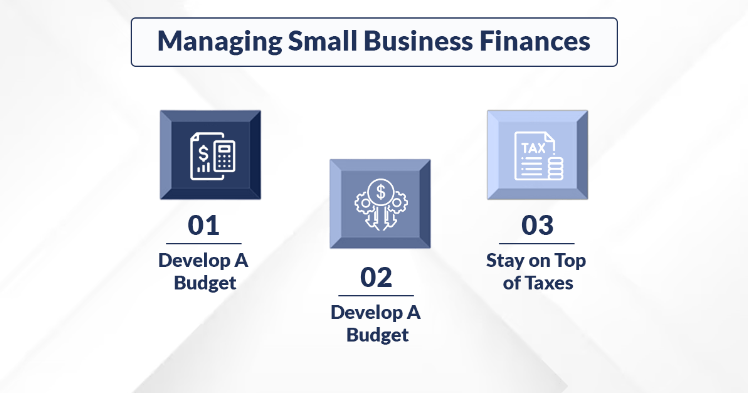
1. Develop A Budget
Creating a budget is a critical step in managing financial help for new small businesses to ensure that their finances remain under control. It helps you plan and control your spending, anticipate cash flow, and make informed decisions about investments and growth opportunities. A budget can also help you avoid cash crunches and financial stress by keeping your business in good financial health. In order to help you make a budget that will work for your company, here are some suggestions:
- Review Historical Data: Examine your income statements, balance sheets, and cash flow statements to find patterns and trends in your income and expenses. This information can help you save money, make more money, and make smart future investments.
- Identify Fixed and Variable Expenses: Fixed expenses are ones that don’t change over time, like rent, salaries, and insurance premiums. Variable expenses, on the other hand, include raw materials and marketing costs that vary with business performance. Keeping track of both types of expenses can help you use your money more wisely and prepare for unexpected costs.
- Set Realistic Revenue Goals: Look at your past data and market trends to get a good idea of how much money you will make in the future. Be conservative with your estimates, especially if your business is new or if you are entering a new market.
- Monitor and Adjust Regularly: Creating a budget is not a one-time activity. It needs to be checked and changed often to make sure you’re on track and making good business decisions. This will help you avoid surprises, find problems early, and make the changes your business needs to stay on track.
2. Manage Cash Flow
Managing cash flow is crucial for small businesses that aim to maintain their operations, expand their operations, and grow business funding for future growth. The money that enters and leaves your company is known as its cash flow. To avoid money problems, it is important to keep cash flow in balance. To better manage your finances, consider these suggestions from LendBug:
- Understanding Cash Flow: Cash flow is the livelihood of any business. It is the amount of money that flows in and out of your business, including all revenue and expenses. Negative cash flow means you’re spending more than you’re making, while positive cash flow means you’re making more.
- Monitor Accounts Receivable And Playable: One of the most effective ways to manage your cash flow is to monitor your accounts receivable and payable carefully. Accounts receivable are the money your customers owe you, and accounts payable are the money you owe your vendors.
- Negotiate Payment Terms With Vendors: Ask your vendors for longer payment terms or discounts for early payment. This can help you avoid cash flow problems and save money on interest charges and fees.
- Plan For Seasonal Fluctuations: For example, if you own a retail business, your sales may be higher during the holiday season. To manage your cash flow effectively, you need to plan for these fluctuations by forecasting your cash flow and adjusting accordingly.
- Maintain A Cash Reserve: This is a separate account that you can use to cover unexpected expenses or short-term cash flow problems. You should aim to maintain a cash reserve that can cover at least three to six months of your operating expenses.
3. Stay on Top of Taxes
Small business owners need to stay on top of their taxes to avoid fines and legal problems. It also helps with managing cash flow and making business decisions based on accurate information. When it comes to filing your taxes, here’s some guidance from LendBug:
- Importance of Tax Compliance: Tax compliance is important for small business owners to keep their finances stable and avoid legal problems. It means filling out tax returns correctly, paying taxes that are due, and keeping records to back up tax deductions.
- Know Your Tax Obligations: To know what taxes to pay, when to pay them, and how to pay them, you need to know what your tax obligations are.
- Keep Good Records: Part of keeping good records is keeping track of your income, expenses, and tax deductions. It will also help avoid penalties for incorrect fillings.
- Consider Hiring A Professional: Hiring a tax professional can help small business owners figure out how to deal with the complicated tax and regulatory system.
- Stay Up-To-Date on Law Changes: Tax laws and rules are always changing, and small business owners need to know about these changes so they don’t get fines or penalties.
In Closing
To sum up, proper financial management is essential to the survival and expansion of any small business. This article from LendBug helps small business owners manage their finances and make smart business decisions.
Even though using these tips may take time and work, the benefits are well worth it. Small businesses can grow over time if they keep their finances stable and make decisions based on good information.