

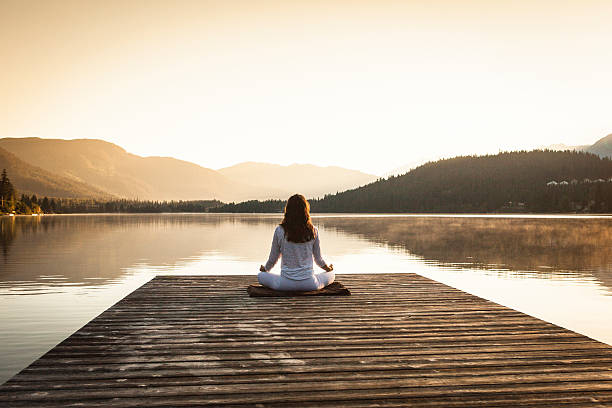
The holidays can be full of joy, but they can also bring stress. Between shopping, family plans, work deadlines, and colder weather, it’s easy to feel overwhelmed. The good news: small changes can make a big difference. This guide gives simple, practical tips you can use right now to relax during the holidays. The language is clear and easy to follow, and each suggestion is meant to help you feel calmer, sleep better, and enjoy the season more.
Start with breathing
Breathing is the easiest tool you already have. When you feel tense, try a simple breathing exercise:
- Sit or stand comfortably.
- Breathe in slowly for four counts.
- Hold for two counts.
- Breathe out slowly for six counts.
Repeat this five times. That extra-long exhale helps the body relax. You can do this while waiting in line, during a work break, or when a stressful conversation starts.
If you want guidance from local teachers, look for Charlottesville meditation instructors who offer simple, practical breathing practices you can use at home.
Keep your routine
Holidays often break our normal schedules. Try to keep parts of your daily routine the same:
- Wake up and go to bed at similar times.
- Eat balanced meals.
- Move your body for at least 20 minutes a day—walk, stretch, or dance.
Keeping a routine gives your day shape and makes stress feel smaller. It also helps your sleep, which is one of the most important things for staying calm.
Set small, clear boundaries
Saying “no” is hard, especially during the holidays when people expect you to join every event. But you don’t have to do everything. Pick the events that matter most to you. If you agree to something, be clear about your limits. For example: “I’d love to come, but I can only stay for an hour.” Small boundaries protect your energy and help you enjoy the time you choose to spend.
Use short, regular breaks
Short breaks add up. Try the “20–5” rule: every 20 minutes of focused work or planning, take a 5-minute break to stand up, walk around, or breathe. If you’re shopping or running errands, stop once in a while to sit with a warm drink and breathe slowly. Those short pauses lower stress and prevent burnout.
Practice mindful moments
Mindfulness means paying attention on purpose. You don’t need long meditation sessions to be mindful. Try quick practices:
- As you eat, notice the texture, taste, and temperature of your food.
- When walking, notice each step and the feeling in your feet.
- During a conversation, listen fully before you respond.
If you’d prefer an in-person experience, consider an in-person meditation class. Many people find it easier to build a calm habit when they practice with others.
Simplify your to-do list
Make two columns: “must do” and “nice to do.” Keep the must-do list short—only things that actually must happen. Move everything else to the nice-to-do list, and pick one or two things from that list each day if you have time. This keeps your workload realistic and reduces the pressure to do everything at once.
Let go of perfection
Holidays don’t have to be perfect to be meaningful. Try this mindset shift: aim for “good enough” instead of perfect. A warm, messy house with loved ones is often more satisfying than a spotless home where everyone feels tense. Let guests bring dishes, accept help, and choose a few traditions that mean the most to you instead of trying to maintain every single one.
Plan mindful gift giving
Gift stress grows when you wait until the last minute. Set a small budget and a list of people you’ll buy for. Think about gifts that give time or experiences—like a coffee date, a handmade coupon, or a book you love—rather than expensive items. Planning ahead reduces financial stress and keeps gift giving meaningful.
Move your body
Exercise helps reduce anxiety and lifts mood. You don’t need a long workout—short bursts of activity are powerful. Try:
- A 10-minute brisk walk outside.
- A quick yoga stretch before bed.
- Dancing to one or two favorite songs while cooking.
Movement also improves your sleep, which is key for handling holiday demands.
Stay connected in a healthy way
Social connection can lower stress, but sometimes gatherings bring tension. Choose relationships that recharge you. If a family visit feels draining, plan to spend time with a close friend afterward or schedule a quiet morning to reset. If conversations turn heated, try focusing on neutral topics or stepping outside for a short walk.
Create a calming place
Designate a small corner of your home as your calm zone. It can be as simple as a chair with a blanket, a candle, and a cup of tea. Spend five to fifteen minutes there each day to read, breathe, journal, or do nothing. This small practice signals your brain that it’s okay to rest.
Use technology wisely
Phones and social media can add stress through comparison and nonstop messages. Try these rules:
- Turn off non-essential notifications.
- Set “phone-free” times, like during meals or the hour before bed.
- Limit social media use to a set time each day.
This creates space for real connection and helps you sleep better.
Practice gratitude (briefly)
Gratitude doesn’t require long journaling. Each night, name three small things you were thankful for that day. They can be simple—a warm cup of tea, a kind text, or a quiet moment. This habit shifts your focus from what’s wrong to what’s right and helps you feel calmer.
Use guided support if needed
If you’re new to meditation or want structure, guided sessions can help. Many people find that practicing with a teacher or a group creates motivation and a sense of safety. You can find support from experienced Vedic meditation teachers like Meg Reynolds, who offer practical methods for calming the mind and building steady habits.
Keep expectations realistic about gatherings
Before an event, plan one or two things you hope to get out of it—like a nice conversation or a walk with someone you haven’t seen in a while. Focus on those goals rather than trying to control everything. If the event doesn’t go as planned, allow yourself to leave early or take a break. Your comfort matters.
Sleep matters most
When you don’t sleep enough, small annoyances feel bigger. Try to keep sleep a priority:
- Wind down before bed with a screen-free routine.
- Keep your bedroom dark and cool.
- Avoid caffeine late in the day.
Even small improvements in sleep can make a big difference in your mood and patience.
Ask for help
You don’t have to do everything alone. Ask family members or friends to help with shopping, cooking, or cleaning. If emotions feel heavy, reach out to a trusted friend, counselor, or local support group. Asking for help is a sign of strength, not weakness.
Practice acceptance
Some things are out of your control—weather, travel delays, and last-minute plans. Practice accepting small annoyances without letting them ruin your whole day. Use the tools above—breathing, taking a break, or stepping into your calm space—to return to center quickly.
A final holiday reminder
Relaxation during the holidays isn’t about being perfect or checking every box. It’s about making choices that protect your energy, keep your body rested, and help you enjoy the people and moments that matter. Use small habits—breath work, short breaks, simple boundaries, and realistic expectations—to stay grounded. If you want extra support, local teachers and in-person classes can give you the guidance and community to make calm a steady part of your season.
Wishing you a peaceful holiday—one breath, one step, and one small moment of joy at a time.