


Buying real estate in the Philippines can be a lucrative investment, given its growing economy and booming tourism sector. However, the process can be complex for both locals and international investors, requiring a clear understanding of the legal framework, market trends, and available financing options. With property prices in key cities like Manila and Cebu experiencing an annual growth rate of roughly 3-6%, the potential for a significant return on investment is considerable.
Whether you’re seeking a residential property or looking to invest in commercial real estate, knowing the intricacies specific to the Philippine market is vital. Below, we outline practical tips to guide you through various aspects of the real estate buying process in the Philippines, ensuring a smoother and more informed investment journey.
Navigating Legalities and Regulations

The Philippine real estate market is accessible to both residents and foreigners under certain conditions. Filipinos can own land and properties outright, but foreigners are generally prohibited from owning land. However, they may own condominium units or apartments in high-rise buildings as long as the foreign proportion does not exceed 40% of the total project.
For foreign investors, alternative routes such as long-term leases or partnerships with Filipino citizens allow for participation in the property market. Leases on land can last up to 50 years, renewable for another 25 years, providing a substantial period for return on investment. Establishing a corporation with Filipino partners is another common method, where foreigners can own up to 40% of the corporation that then acquires the land.
Potential buyers must carefully review property titles, ensuring they’re free from liens and encumbrances. Engaging with reputable legal professionals and real estate agencies, such as Realty ONE Group Philippines, can assist in navigating these complexities while adhering to the regulatory framework.
Assessing Location and Market Trends
As with any property investment, location is key in the Philippines. Metro Manila remains the top choice for investors due to its high rental yield and property value appreciation. Other burgeoning areas include Cebu, Davao, and Clark, which have seen increased infrastructure development and economic growth.
Understanding the impact of market trends on property values is crucial. Areas with upcoming infrastructure projects, such as railways, airports, and commercial developments, tend to appreciate faster. Seasonal weather patterns, like the typhoon season, can affect property prices and resilience, making certain areas more favorable than others.
Before purchasing, conduct thorough research on local property trends. Look at historical data on price movements, study the region’s economic health, and pay attention to forecasts from reputable analysts. This approach can pinpoint the right location for your investment based on current and future market conditions.
Understanding Financing Options
Several financing options are available for real estate buyers in the Philippines. These range from bank mortgages and Pag-IBIG Fund loans to in-house financing provided by developers. Each comes with its own qualification criteria, interest rates, and payment terms.
Banks typically offer competitive interest rates and longer loan terms, with some extending up to 20 years. The Pag-IBIG Fund is another popular choice, particularly for Filipinos, as it provides low-interest rates for members. In contrast, in-house financing can be more convenient but often comes with higher interest rates.
Investors should compare the various financing options to find the most advantageous terms. This includes looking at interest rates, loan amounts, down payments, and the flexibility of payment schedules. Securing pre-approval from a financial institution also strengthens your position when negotiating with sellers.
Conducting Thorough Due Diligence
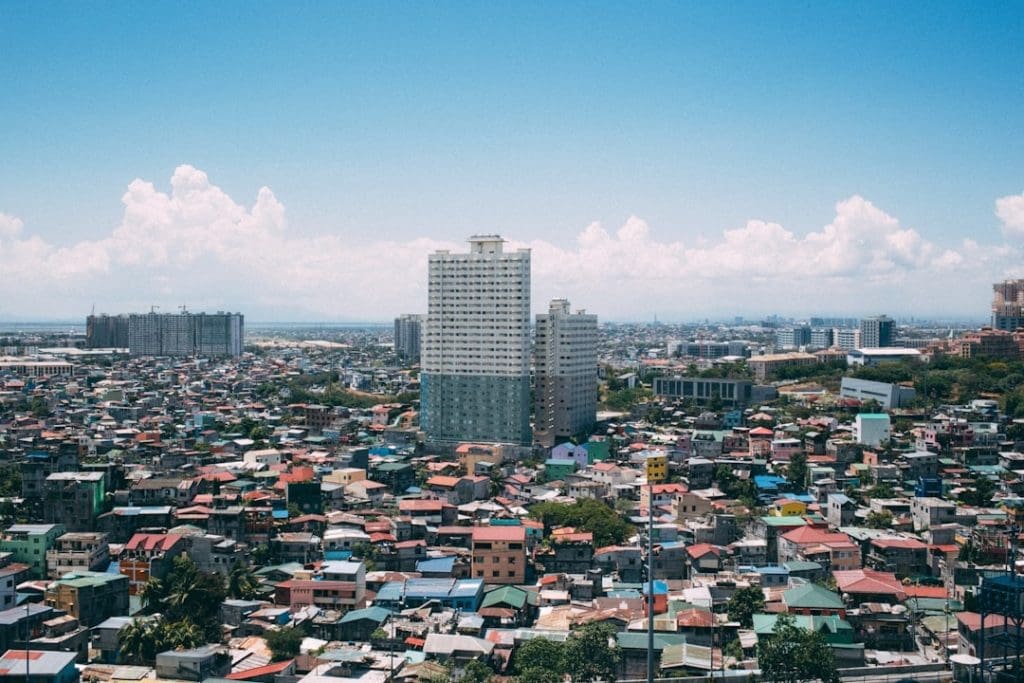
Conducting due diligence is an essential step in the process of buying real estate in the Philippines. It involves verifying the authenticity of the property title, checking for any outstanding taxes or utilities, and ensuring that there are no legal disputes over the land.
Buyers should also consider hiring an independent appraiser to assess the property’s fair market value. This helps in avoiding overpaying for a property and provides leverage during price negotiations. Physical inspections should be conducted to assess the property’s condition, quality of construction, and compliance with building codes.
Always work with seasoned professionals, including real estate agents, lawyers, and surveyors who are familiar with the local real estate landscape. Their expertise can be invaluable in identifying potential issues and ensuring all paperwork and procedures are completed accurately and legally.
Ultimately, the key to successfully buying real estate in the Philippines is to conduct thorough research, understand local laws and financing options, and enlist the support of professionals. By doing so, investors can navigate the complexities of the real estate market and make well-informed decisions that yield fruitful investments.