
Suicide has become the second leading cause of death in young people, tragically claiming the lives of over 1,000 European adolescents a year. Against this sobering backdrop, a new survey released by Hidden Strength, a mental health app designed for teens and young adults, reveals just how widespread the mental health crisis has become for Gen Z.
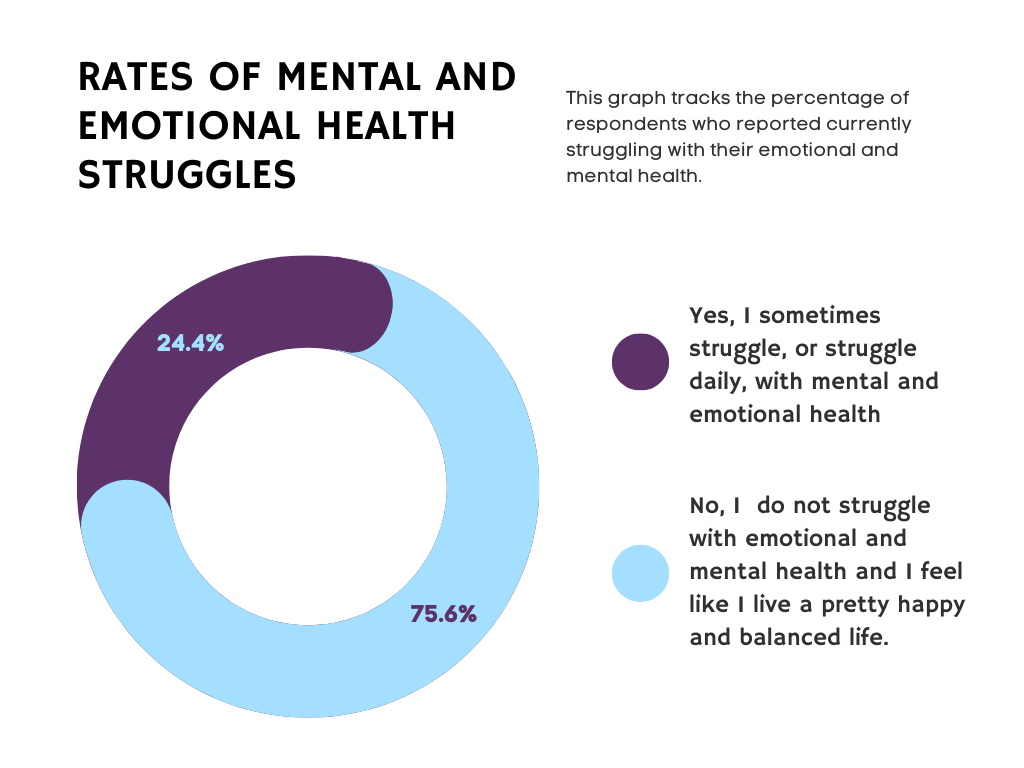
The survey, which polled over 1,000 young people between the ages of 14 and 24 in the United States and United Kingdom, found that 75.6% of respondents say they currently struggle with their mental health. The results paint a troubling picture of a generation in distress, with notable disparities across gender lines: 81.4% of girls surveyed reported experiencing mental health challenges, compared to 69.8% of boys.
Linsey Lunny, CEO of Hidden Strength shares, “It’s clear that young people and adults alike are visiting platforms like TikTok or YouTube to get answers and support for their mental health. However, the social media of today needs more checks and balances. There needs to be an alternative for young people to go that allows them to get professional help when they need it.”
The survey also found that 65.6% of respondents rely on TikTok and YouTube as their primary sources of mental health content and support. While these platforms offer easily accessible advice and community-driven content, they also pose risks—from misinformation and triggering content to a lack of moderation and professional oversight.
“This creates an environment similar to a support group of people who are struggling and those who can provide insight or explanations, along with members of the community who can voice support in comment sections or DMs.”
Hidden Strength was developed with that goal in mind. The app connects users with free access to licensed therapists, offers articles and guided exercises on emotional well-being, and provides a safe space for peer connection without the pressure or exposure of mainstream platforms. It was designed in part to combat the “doomscrolling” culture that leaves many teens feeling worse after seeking help online.
The urgency of this work has only increased as rates of youth depression, anxiety, and suicidal ideation continue to rise in both the U.S. and U.K. Public health officials and advocacy organizations have long warned of a brewing crisis among younger generations, exacerbated by pandemic isolation, academic pressure, economic uncertainty, and the pervasive influence of social media.
In the U.S., suicide is now the second leading cause of death for individuals ages 10–24, according to the Centers for Disease Control and Prevention (CDC). Similarly, in the U.K., youth suicide remains one of the most common causes of death in adolescents.
Mental health experts emphasize that early intervention is key. However, many young people are still facing long wait times, stigmatization, or lack of access to quality care. Digital platforms like Hidden Strength aim to bridge the gap—offering immediate, stigma-free support for those who may not feel comfortable speaking with a parent, teacher, or traditional therapist.
Lunny notes that the survey results should serve as a wake-up call to educators, parents, and policymakers. “Three in four teens are telling us they’re struggling,” she said. “We can’t ignore that. It’s time to build a better infrastructure for youth mental health—one that integrates digital tools, school-based support, and real access to care.”
Hidden Strength plans to release additional findings from its comprehensive survey later this spring. In the meantime, Lunny is calling on tech companies, educators, and mental health professionals to come together to rethink how and where young people get help.
“Social media can be a very useful way to find people who are going through similar experiences as you, which creates a sense of community. This helps people who feel isolated and alone. However, the social media of today needs more checks and balances. There needs to be an alternative for young people to go that allows them to get professional help when they need it.”
