

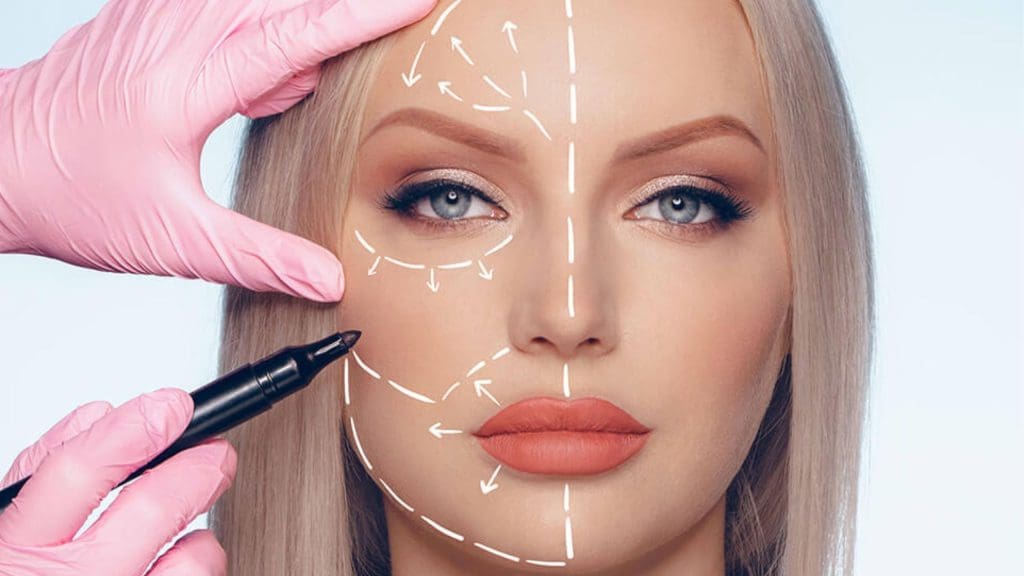
Sagging skin is one of the first signs of aging that people notice. The jawline looks softer, the cheeks lose shape and the neck begins to loosen. Many people want to treat these changes but feel unsure about surgery. This is why thread lifts have become so popular in the last few years. They offer a natural lift without cuts or a long healing time. Dermatologists say thread lifts work especially well for people with early to moderate sagging and new studies support this.
To understand why we first need to look at what thread lift is, how the treatment works and what science says about its results.
Understanding What a Thread Lift Actually Is
A thread lift is a non-surgical procedure where thin and dissolvable threads are placed under the skin to gently lift and support sagging areas. These threads are usually made from PDO (polydioxanone), PLLA (poly-L-lactic acid) or PCL (polycaprolactone). All three materials are safe and used for medical sutures around the world.
The Cleveland Clinic explains that thread lifts work in two ways:
- Instant lift created by tightening the threads under the skin.
- Long-term improvement from collagen production that happens as the threads dissolve.
According to the American Academy of Dermatology (AAD) collagen is the protein that keeps skin firm and smooth. After age 30 our collagen drops by about 1% every year. This loss is one of the main reasons the skin begins to sag. Thread lifts help the body build new collagen which strengthens the skin from the inside.
To explore the concept more deeply, many people search about thread lift. Resources such as this guide on wat is een draadlift give clear explanations about the treatment and who it works best for.
Why Thread Lifts Work Best for Mild to Moderate Sagging Skin
Dermatologists agree that the thread lift is not meant to replace a surgical facelift. Instead, it is designed for people who are beginning to see changes such as:
- Softening of the jawline
- Drooping in the cheeks
- Early jowls
- Mild neck laxity
Dr. Shereene Idriss, a well-known dermatologist from New York, explains that thread lifts work best in patients who still have good skin elasticity. This means the skin can still stretch and bounce back. When the skin is extremely loose, threads cannot create a strong lift.
In the Netherlands, cosmetic doctor Dr. Frodo Gaymans also explains that thread lifts work best for early sagging because the skin still has enough natural support to hold the threads. He highlights that the goal is a subtle and natural lift rather than a dramatic change, which is why moderate laxity responds the best.
A 2020 review published in the Journal of Cosmetic Dermatology found that thread lifts show the most visible improvements in patients with mild to moderate sagging, especially in the mid-face and lower face. In severe cases a surgical facelift still offers better results.
This is why thread lifts are often called the in-between solution. They sit between fillers and surgery. Fillers add volume to hollow areas but cannot lift heavy skin. Surgery gives strong lifting but requires more downtime. Threads offer a natural-looking lift without major commitments.
How Dermatologists Perform a Thread Lift
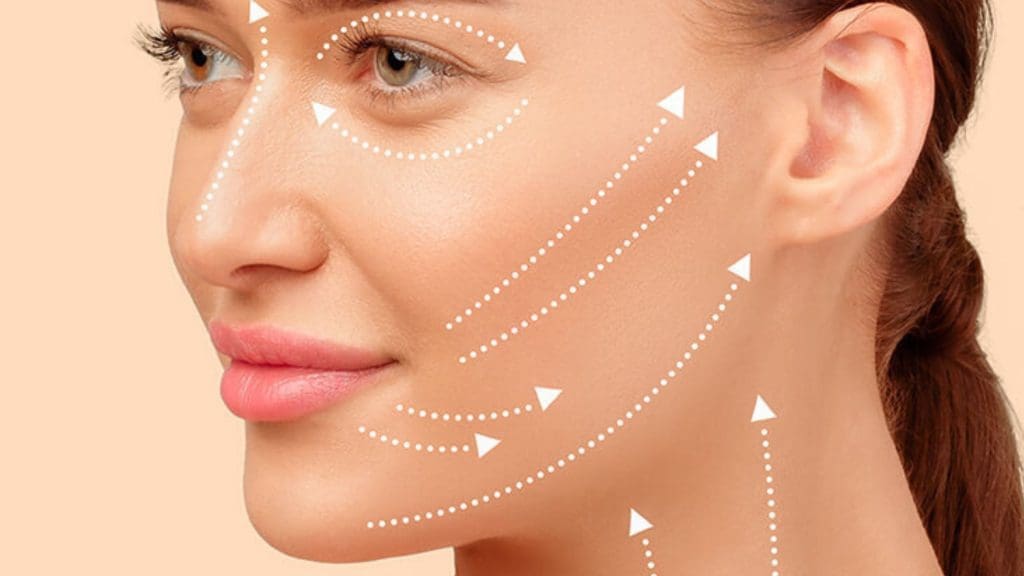
Understanding the procedure can make patients feel more comfortable. While each clinic works slightly differently and dermatologists usually follow these steps:
- Consultation
The doctor checks skin quality, elasticity and the amount of sagging. They look at whether the patient is a good fit for PDO, PLLA or PCL threads.
Mayo Clinic procedural notes show that choosing the right candidate is one of the most important factors for good results. - Marking Lift Vectors
Lines are drawn on the skin to show where the lift should happen often along the jawline, cheeks or neck. - Local Anesthesia
The area is numbed so patients feel pressure but no pain. - Thread Insertion
A thin cannula is used to slide the thread under the skin. When the thread is placed and the doctor gently tightens it to lift the tissue. - Finishing and Shaping
The doctor adjusts the lift until the face looks balanced and natural.
The whole process takes around 30–45 minutes. Most people return to normal activities the same day or the day after.
What Results Can You Expect from a Thread Lift?
Dermatologists describe thread lift results as subtle but meaningful.
Here is what most patients experience:
Immediate Results
Right after the procedure the skin looks tighter and more lifted, especially along the jawline and cheeks.
Improving Results Over Time
As threads dissolve they stimulate collagen. This makes the skin thicker and firmer over 2 to 3 months.
The American Board of Cosmetic Surgery (ABCS) reports that results usually last between 12 and 24 months depending on the type of thread used and the patient’s skin.
Natural-Looking Lift
Most people appreciate that thread lifts do not make the face look frozen or overfilled. The goal is to look refreshed, not changed.
PDO, PLLA, and PCL Threads — Which One Is Better?
Each type of thread has their own advantages according to the dermatologists.
PDO Threads
Dissolve in 6–9 months and are excellent for skin tightening.
Supported by Cleveland Clinic studies calling PDO threads safe and effective.
PLLA Threads
Last longer and stimulate more collagen.
Mentioned in the Aesthetic Surgery Journal for improved firmness in long-term treatments.
PCL Threads
Have the longest duration and strongest support.
Discussed in the Journal of Drugs in Dermatology for slow absorption and extended collagen stimulation.
Dermatologists choose the thread type based on the patient’s needs, skin thickness and treatment area.
Where Thread Lifts Work Best in the Face and Neck
Thread lifts can be used in several areas but dermatologists say these respond the most:
- Jawline
- Cheeks and midface
- Eye Brows
- Neck
The Dermatologic Surgery Journal identifies the midface and lower face as the top regions where threads create visible improvement.
Are There Risks? Dermatologists Explain the Safety Profile

Thread lifts are safe when done by a trained dermatologist. Still, like any procedure they can have side effects.
Common Side Effects
- Swelling
- Bruising
- Mild soreness
- Small irregularities that settle in a few days
Less Common Risks
A 2019 study in the Aesthetic Plastic Surgery Journal found that serious complications are rare but can include thread visibility, temporary asymmetry or infection. Most issues resolve with small adjustments.
This is why choosing a skilled medical professional is important for a smooth and safe experience.
Thread Lift vs Fillers vs Surgery — Which One Should You Choose?
Dermatologists often compare these options:
- Threads lift sagging skin
- Fillers add volume
- Surgery removes excess skin
Dr. Nazanin Saedi, a board-certified dermatologist explained in Allure Magazine that many patients confuse the three. She notes that fillers cannot lift heavy tissue and threads cannot remove excess skin. Good results come from choosing the right treatment based on the level of sagging.
Who Should Not Get a Thread Lift?
According to the Cleveland Clinic, thread lifts may not be suitable for those who have these issues.
- Very thin or fragile skin
- Severe sagging
- Active skin infections
- Autoimmune conditions
A proper consultation ensures the patient receives the right treatment plan.
A Dermatologist-Approved Choice for Early Sagging
Thread lifts offer a simple, safe and natural-looking option for people who want to lift sagging skin without surgery. They work best for early to moderate laxity where the skin still has enough strength to hold lift vectors. Supported by research, dermatologist reviews and real patient results, thread lifts continue to be one of the most trusted non-surgical lifting treatments today.
And as 2025 comes to an end many people are choosing to say goodbye to sagging skin and welcome the new year with a fresher and more confident look.