

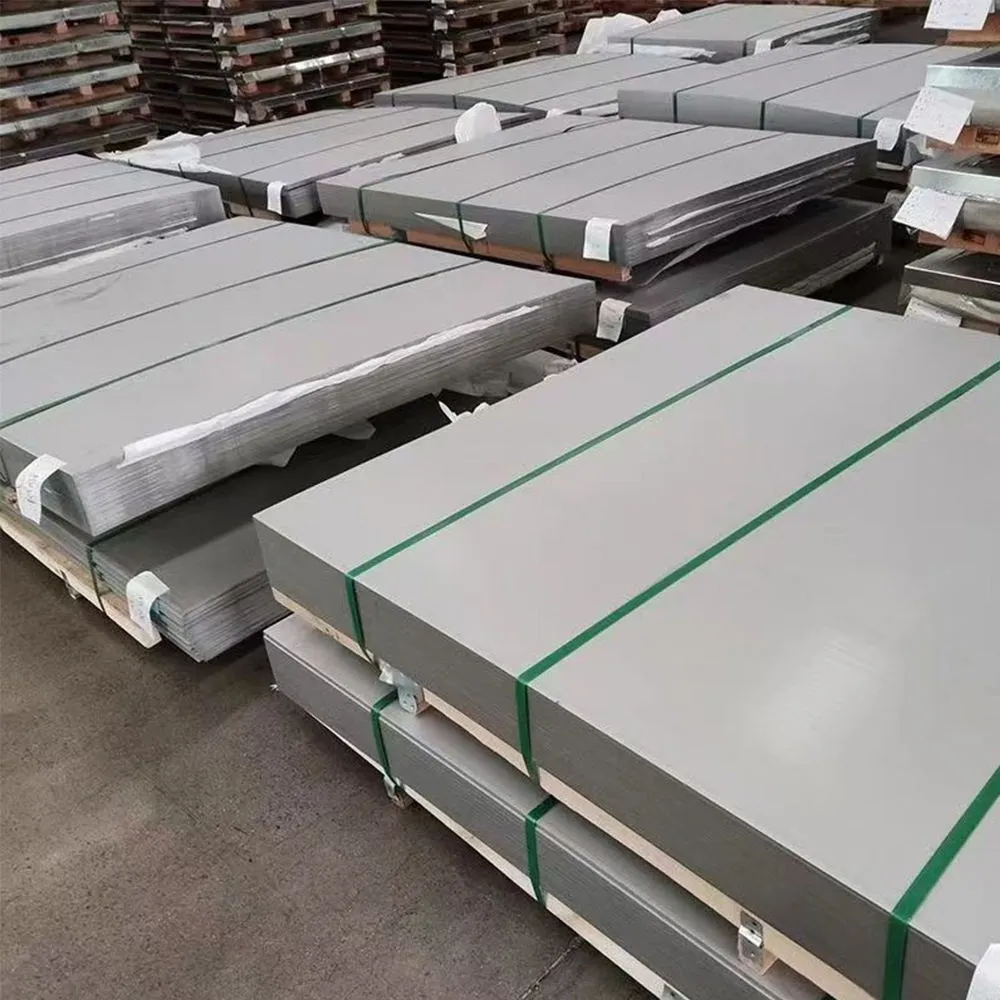
In the high-stakes world of modern manufacturing, thin stainless steel foil has emerged as a powerhouse material. While it may appear delicate, its internal structure provides the rugged strength and corrosion resistance necessary for the world’s most demanding industries.
From the circuit boards in your pocket to the engines of commercial spacecraft, this ultra-thin material serves as the silent architecture for high-performance systems. Its slim profile enables engineers to prioritize lightweight designs and compact builds without compromising on structural integrity.
Understanding the mechanics of this material is the first step toward optimizing your production. This guide explores thickness specifications, industrial applications, and expert tips for selecting the right foil grade. For those seeking a deeper dive into the metallurgy, check out this overview of stainless steel to see how chromium creates its signature resistance.
Defining Thin Stainless Steel Foil
Thin stainless steel foil is essentially stainless steel that has been precision-rolled into gauges typically measuring under 0.2 mm. In specialized manufacturing sectors, we often produce foils as thin as 0.01 mm—thinner than a human hair.
Unlike standard sheets, this specialized foil offers:
- Superior Flexibility: Can be wrapped, folded, or pleated.
- Dimensional Accuracy: Uniform thickness across the entire roll.
- Surface Perfection: Polished, smooth finishes for sensitive interfaces.
- Environmental Stability: Resistant to extreme heat and oxidation.
If you are just beginning your research, our resource on what is stainless steel foil provides a foundational technical breakdown.
Thickness and Micron Guide
The “thinness” of the foil dictates its mechanical behavior. Choosing the wrong gauge can lead to either unnecessary bulk or material failure under stress.
Common Thickness Ranges
| Thickness (mm) | Microns (µm) | Primary Applications |
| 0.2 mm | 200 µm | Heavy-duty industrial gaskets & sealing |
| 0.1 mm | 100 µm | General mechanical engineering components |
| 0.05 mm | 50 µm | EMI/RFI shielding in consumer electronics |
| 0.02 mm | 20 µm | High-density battery anodes/cathodes |
| 0.01 mm | 10 µm | Laboratory precision instruments |
| 0.005 mm | 5 µm | Microelectronics & Nanotechnology |
For high-end tech requirements, we specialize in 316L stainless steel foil ultrathin 0.01mm, providing maximum resistance in a minimum profile.
Precision Manufacturing Process
Creating a reliable foil requires more than just flattening metal. It starts with hot-rolled coils that undergo a series of cold-rolling stages. Each pass through the rollers reduces the gauge while increasing the material’s hardness.
To maintain usability, the foil is then annealed (heat-treated) to restore its ductility. You can view the full technical workflow in our guide on ultra thin stainless steel foil manufacturing.
Selecting the Right Grade
The chemical composition of your foil—its grade—is the primary driver of its longevity.
- Grade 301: Known for its high work-hardening rate, making it perfect for springs and components requiring high fatigue resistance. See 301 stainless steel foil details.
- Grade 304: The “all-rounder.” It offers excellent corrosion resistance and formability for everyday industrial use. Explore 304 stainless steel foil options.
- Grade 316L: The premium choice for marine or medical environments. Its low carbon content and molybdenum addition make it virtually immune to pitting.
Key Industry Applications
1. Electronics & Energy Storage
In the race for smaller, more powerful devices, foil is used for EMI shielding and as a substrate for flexible printed circuits. It is also a core component in lithium-ion battery assemblies.
2. Aerospace & Defense
Weight is the enemy of aviation. Stainless steel foil allows for robust heat shields and thermal insulation blankets that weigh a fraction of traditional plates.
3. Medical Technology
Because it is non-reactive and easy to sterilize, it is used extensively in surgical implants, diagnostic equipment, and protective medical packaging.
4. Sustainable Energy
From the plates in hydrogen fuel cells to the backing of solar panels, foil is driving the green energy revolution.
Sourcing & Expert Consultation
Choosing the right material is a balance of physics and budget. If you are unsure which grade or thickness fits your prototype, please reach out via our contact page.
You can browse our full inventory at the products section or see our specialized precision stainless steel foil for custom dimensions.
Summary FAQ
- Is it strong? Yes, despite the thinness, it retains high tensile strength.
- Can it handle heat? Absolutely. It is a preferred material for high-temp industrial gaskets.
- How do I buy? Visit our stainless steel foil homepage to explore our full range of stainless foil solutions.
A Note from Ewan: With over 30 years in the industry, I have seen how the right foil can transform a product’s lifecycle. I look forward to helping you find the perfect material for your next innovation.